
















































Counterpoint

What Happens After We Tear Institutions Down?

The most dangerous question remains unasked: What norms, procedures, and moral commitments should replace what we are dismantling?

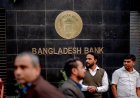
Somaliland’s Israel Gambit Is a Strategic Own Goal. Bangladesh Learned This Lesson in 1971

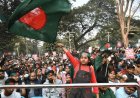
Bangladesh rejected Israel’s recognition not because it could afford to be principled -- but because it could not afford not to be strategic. Somaliland should take note. The lesson is clear: recognition divorced from coalition-building and regional consensus can be worse than no recognition at all.
Who Can Afford to be a Politician Today

As the nation approaches another election marked by controversy and uncertainty, the composition of its candidate list serves as both a warning and a mirror. It reveals not only who seeks power, but why they seek it.

Somaliland’s Israel Gambit Is a Strategic Own Goal. Bangladesh Learned This Lesson in 1971
Bangladesh rejected Israel’s recognition not because it could afford to be principled -- but because it could not afford not to be strategic. Somaliland should take note. The lesson is clear: recognition divorced from coalition-building and regional consensus can be worse than no recognition at all.

How Bangladesh Slipped into the Global High-Risk Category

What is ultimately at stake is not merely the ease of obtaining visas. It is how Bangladeshi citizens are perceived as participants in the global order.
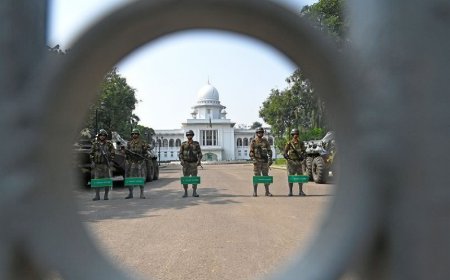
The UN Charter Is Not an Arrest Warrant

Normalizing forced extractions in the name of justice does not advance accountability; it advertises that power can dispense with law

Who Can Afford to be a Politician Today

As the nation approaches another election marked by controversy and uncertainty, the composition of its candidate list serves as both a warning and a mirror. It reveals not only who seeks power, but why they seek it.

A New Iran on the Horizon: Tehran’s Clerical Establishment Has Lost any Legitimacy to Rule

Echoes of the 1979 Islamic Revolution are loud and clear, except this time the ayatollahs are on the receiving end. To save this nation from calamity, it’s time for Khamenei to leave.

An Angry Young Country

The deepest fault line is not between secular and religious, or even between rival nationalisms. It is between a society that aspires and a system that no longer feels responsive. Whoever speaks to this issue will have the heart of the Bangladeshi voter.

The Hidden Empire

The uncomfortable truth is this -- America is the capital of a global corporate empire. But the real rulers are not politicians but corporations, whose loyalty lies only with money. The Transnational Private Sector -- TPS -- is not a mere American phenomenon. It’s a global empire, and its influence reaches every corner of the planet.

The New Bangladesh-India Dynamic

The India-Bangladesh relationship is undergoing not rupture, but delayed normalization. Bangladesh is asserting the right to disagree without permission. India is confronting the limits of informal hegemony

A 20th Century Family

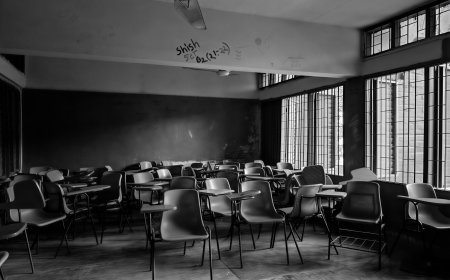
AI has and may usher in many wonderful opportunities and possibilities. But, at the same time, AI may be the last nail in the coffin of that glorious era where a broad-based social mobility achieved through higher education brought about greater economic and political equality.

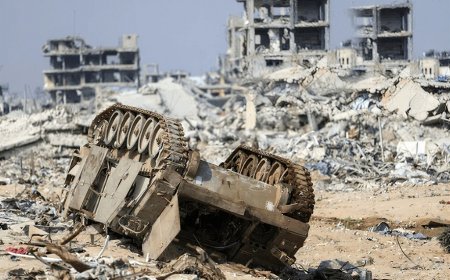
What Happens After We Tear Institutions Down?

The most dangerous question remains unasked: What norms, procedures, and moral commitments should replace what we are dismantling?

Should Mahfuj Alam Get a Second Chance?

Second chances are possible. But history does not reward clever positioning or carefully worded distance. It honors courage, sacrifice, and fidelity to truth -- especially inconvenient truth.

The Colour of Prejudice

It is often the person of colour who has to bring up colonialism in the room. To name racism even when it makes everyone uncomfortable. To remind people that representation is not neutral, and that curiosity does not absolve power.

The Politics of Responsibility and Compassion

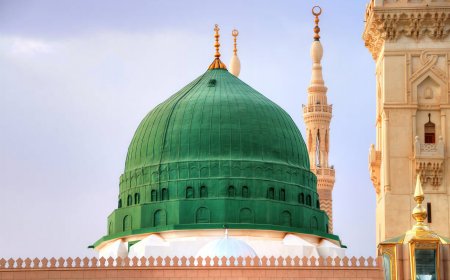
Every Muslim knows the phrase Ar-Rahman Ar-Rahim -- the most Beneficent, the most Compassionate. Can we reorient our moral compass towards the politics of responsibility and compassion?

Who Should Speak About Earthquakes?

Responsibility for earthquake and tectonic matters should logically rest with the Geological Survey of Bangladesh. What scientists can do is identify risk zones and recommend safer building practices.

On Mudi, Tong, and the Perils of Asking Simple Questions

During the Mughal and Maratha eras, the official in charge of grain supplies and rations for royal households or armies was called the Modi. The storeroom where provisions were kept? The Modikhana: Modi plus Khana, the Persian word for house or room.

Why New Delhi is Losing the Bangladeshi Heart

India has not merely provoked a cyclical wave of anti-India sentiment; it has actively contributed to giving it a permanent, structural form. The alienation is no longer just about borders -- it is about sovereignty.

Too Shallow to Dive

I’m not against using AI, I never was. I just want you to use it cautiously. Because the more you are replacing AI with your own mind, the more it will take space in your soul. If we keep asking AI solutions for every simple problem, our mind will become too fragile to face challenges.

The Great Blue Jeans War: How Sydney Sweeney’s Genes Powered Trump’s Spectacle Engine

The question for a republic is whether it can learn to look away from the dazzling, authoritarian image long enough to see -- and rebuild -- the dull, demanding, and essential foundations of a reality-based politics.

Time to Put Urban Planning Front and Centre

Bangladesh’s current urban planning, development, and management systems are so fragmented, multi- layered, and institutionally weak that administrative restructuring alone will not be sufficient at the moment. 

What Made America Great

America rises not when it restricts, but when it welcomes. So will America again evolve as the land of many voices? Its future, and perhaps much of the world’s, depends on this answer. For America is not merely a country. It is a covenant.

Subaltern Women and the Islamic Feminist Turn

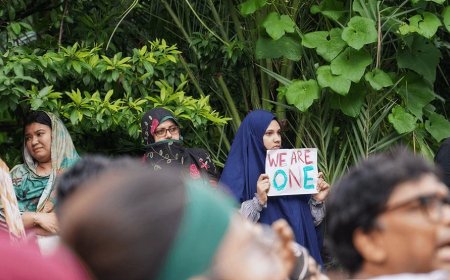
It's time to rethink the representation and rights of women in Bangladesh. Should elite secular feminism neglect to recognize and engage with Islamic feminist frameworks, it risks irrelevance or worse.

Too Shallow to Dive

I’m not against using AI, I never was. I just want you to use it cautiously. Because the more you are replacing AI with your own mind, the more it will take space in your soul. If we keep asking AI solutions for every simple problem, our mind will become too fragile to face challenges.

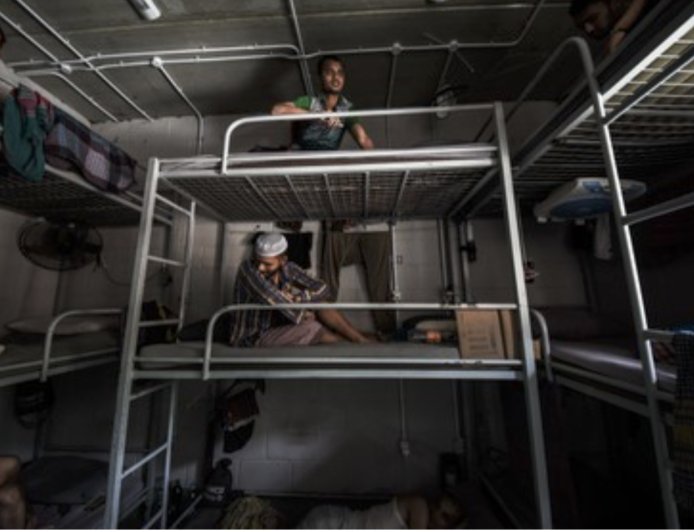
The Middle Eastern Job Market Is Dead

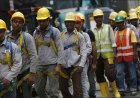
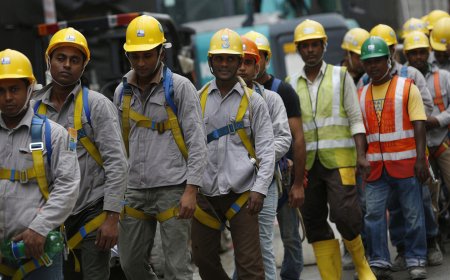
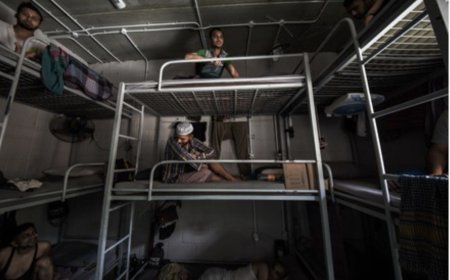
The countries that thrive in the next decade will be those that export skilled humans -- not bodies. The countries that survive will be those that build talent -- not hope for visas. And the countries that collapse will be those that cling to dead models and call it “tradition.”

Where War Turned to Wonder

Superpowers are increasingly reluctant to send their children into combat and expose them to trauma. This gradual shift  has opened vast, hard-to-predict possibilities for new forms of warfare with their effects rippling outward like the countless waves of the sea.

Why New Delhi is Losing the Bangladeshi Heart

India has not merely provoked a cyclical wave of anti-India sentiment; it has actively contributed to giving it a permanent, structural form. The alienation is no longer just about borders -- it is about sovereignty.

2026 Bangladeshi Elections and Information Bombs

Rumour is part of politics and society but now it can be magnified and curated at speed in the age of the (un)smart phone. Compared to the digital control of the previous regime what we have now is the information bomb.

The Legacy of Osman Hadi and Reclaiming 71 in a Post-July Bangladesh

Given how rapidly an emerging narrative hardens in current discourse, we must start our critical evaluations of Hadi’s legacy as soon as possible: Hadi’s image must be snatched away from those who want to worship him.

Building Bangladesh’s Next Multi-Billion-Dollar Export Industry

The global shortage is real. The demand is guaranteed. The opportunity is enormous.

The Unlikely Reinvention of the American Dollar: From Oil to Blockchain

This is the quiet evolution of empire -- from military enforcement to financial automation. The dollar isn’t dying, at least not anytime soon. It’s being privatized.

Tariff Relief or Strategic Trade-Off?

20% is better than 35, but there is still a lot of work that needs to be done if Bangladesh wishes to remain competitive in the global marketplace

The Great Blue Jeans War: How Sydney Sweeney’s Genes Powered Trump’s Spectacle Engine

The question for a republic is whether it can learn to look away from the dazzling, authoritarian image long enough to see -- and rebuild -- the dull, demanding, and essential foundations of a reality-based politics.

Learning from Tehran: A Warning for Bangladesh’s Democratic Future

The decision for Bangladesh is simply this: Either we recognize what is happening to our degree of liberty now, or we will soon read about it in the pages of history books as if it is a novel about something that was simply unavoidable.

The Algorithm’s Muse: How a Cat Meme Led Me to the Barricades

The crown cat becomes a single blood cell in the circulatory system of the algorithmic beast. Nusrat doesn’t remember the cat meme today. Not consciously.

Special

Culture

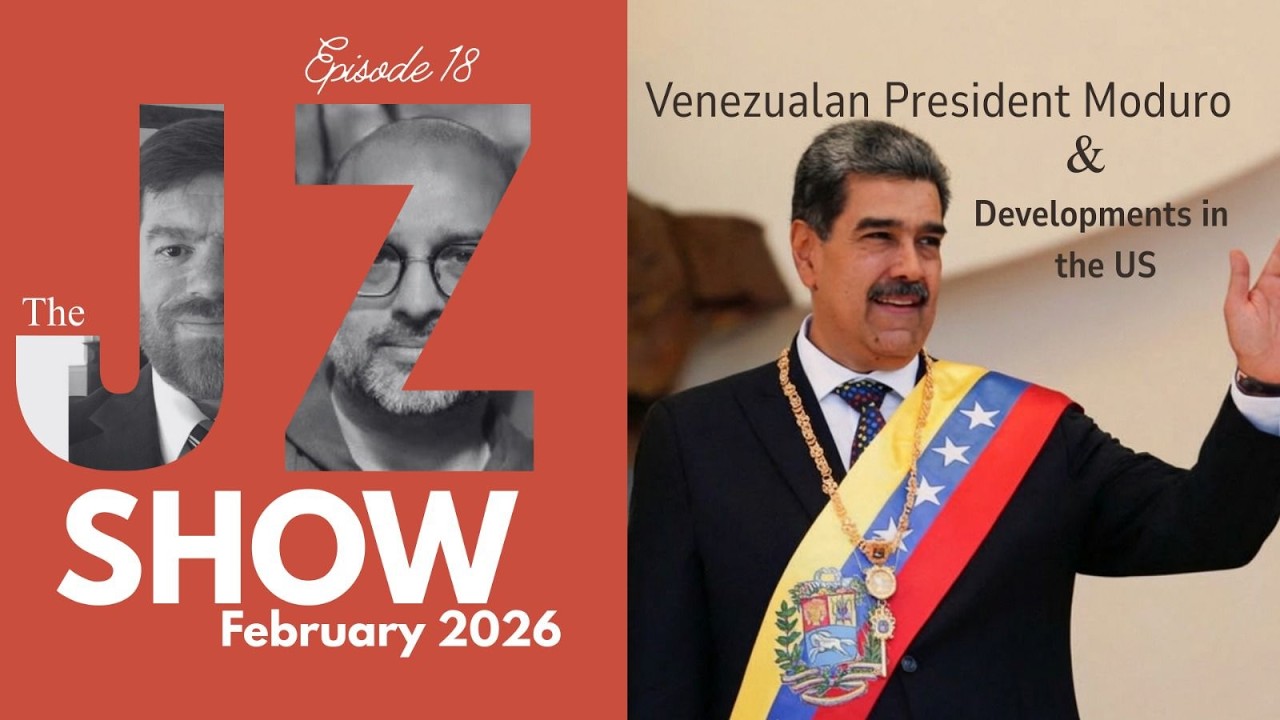
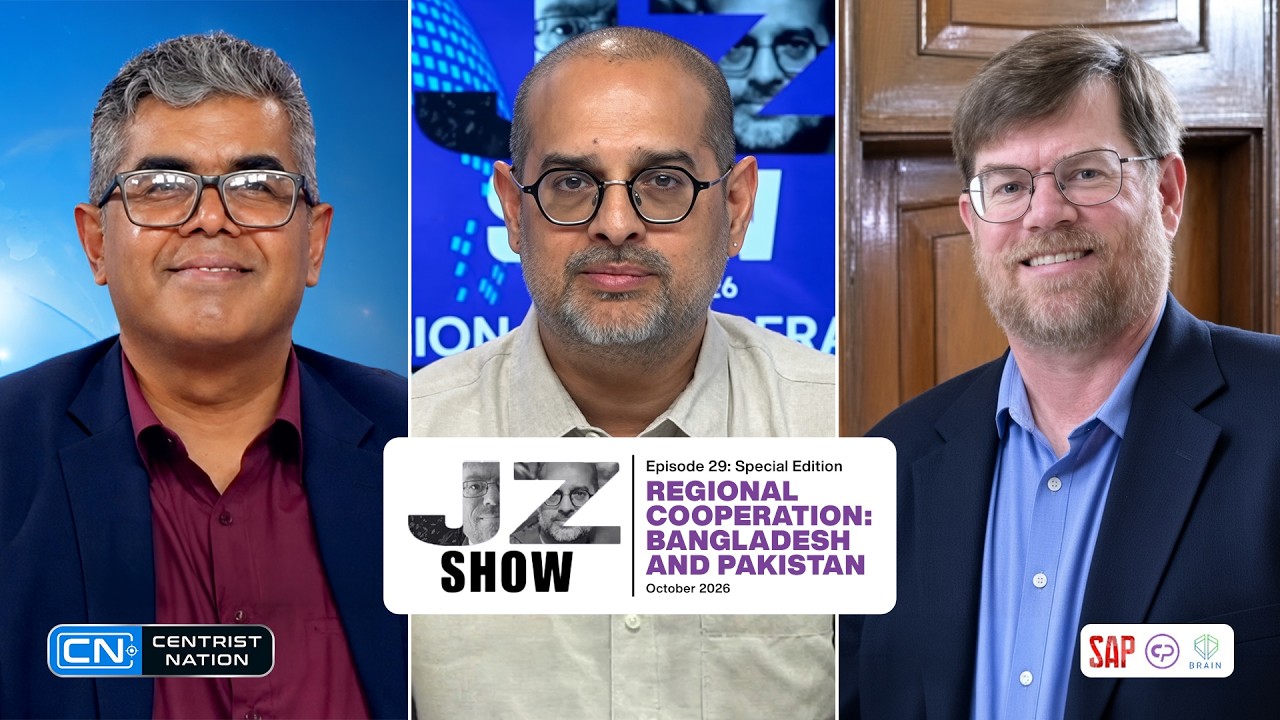
The J Z Show। Ep 14 । Dr Shamaruh Mirza | Zafar Sobhan। Jon Danilowicz

In this episode, Jon Danilowicz and Zafar Sobhan sit down with Dr Shamaruh Mirza for a wide-ranging and insightful conversation on India–Bangladesh relations, questions of justice and reconciliation, and what lies ahead as the country looks toward the upcoming elections.

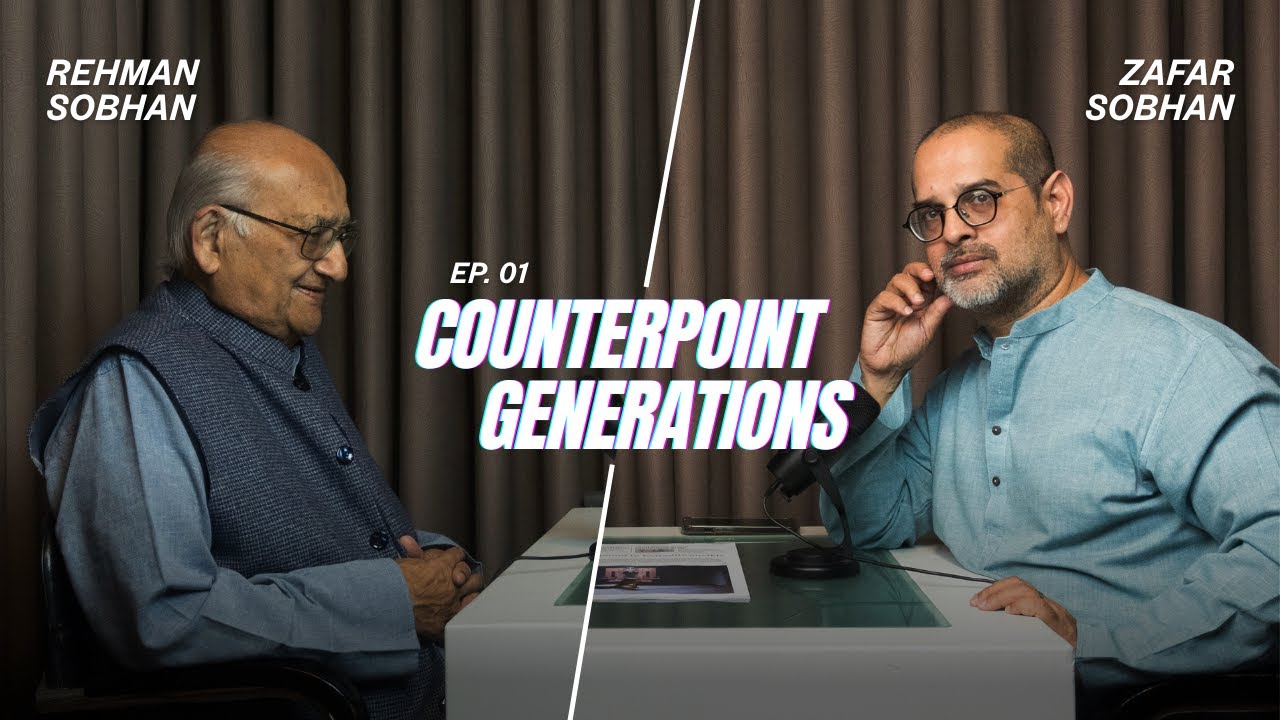
Counterpoint Generations | EP 5 | Professor Rehman Sobhan | Zafar Sobhan

In the fifth episode of Counterpoint Generations, Counterpoint Editor Zafar Sobhan and Professor Rehman Sobhan step back from daily headlines to reflect on history — focusing on the great homecomings, returns, and janazas that have shaped Bangladesh’s political and emotional landscape.

The J Z Show। Ep 13 । Zafar Sobhan। Jon Danilowicz

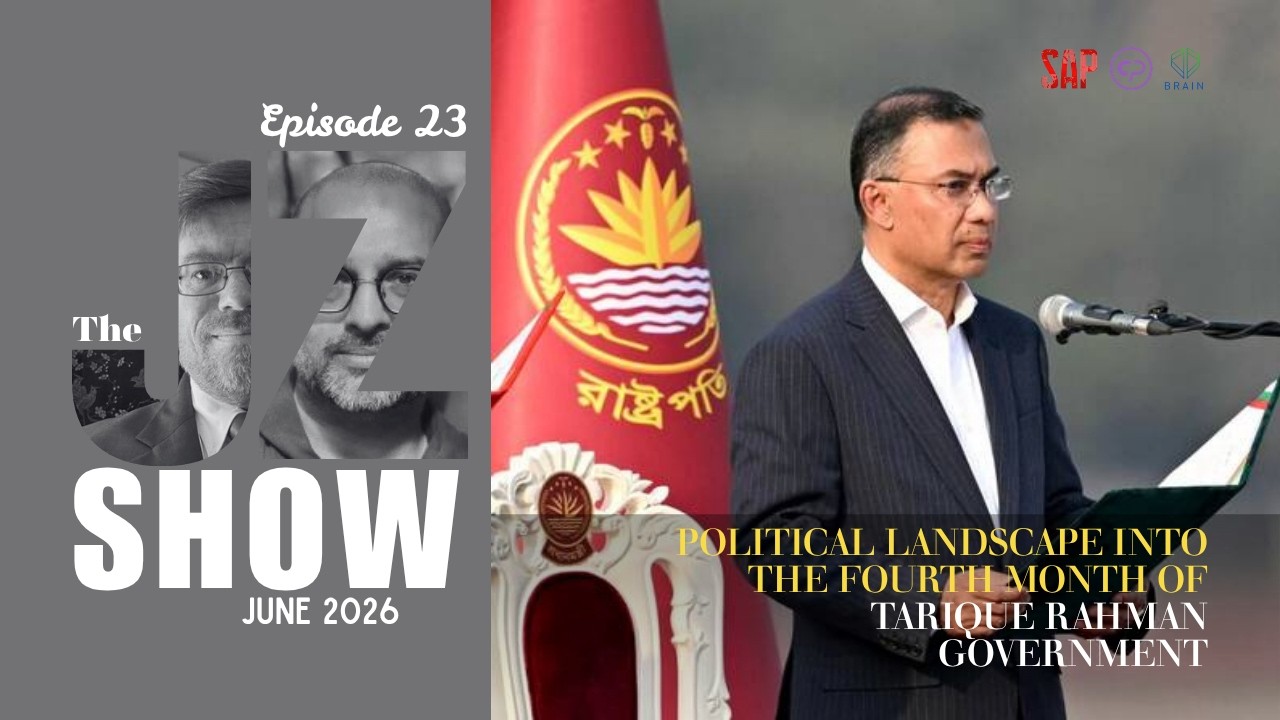
Tarique Rahman's Homecoming and New Political Alignments

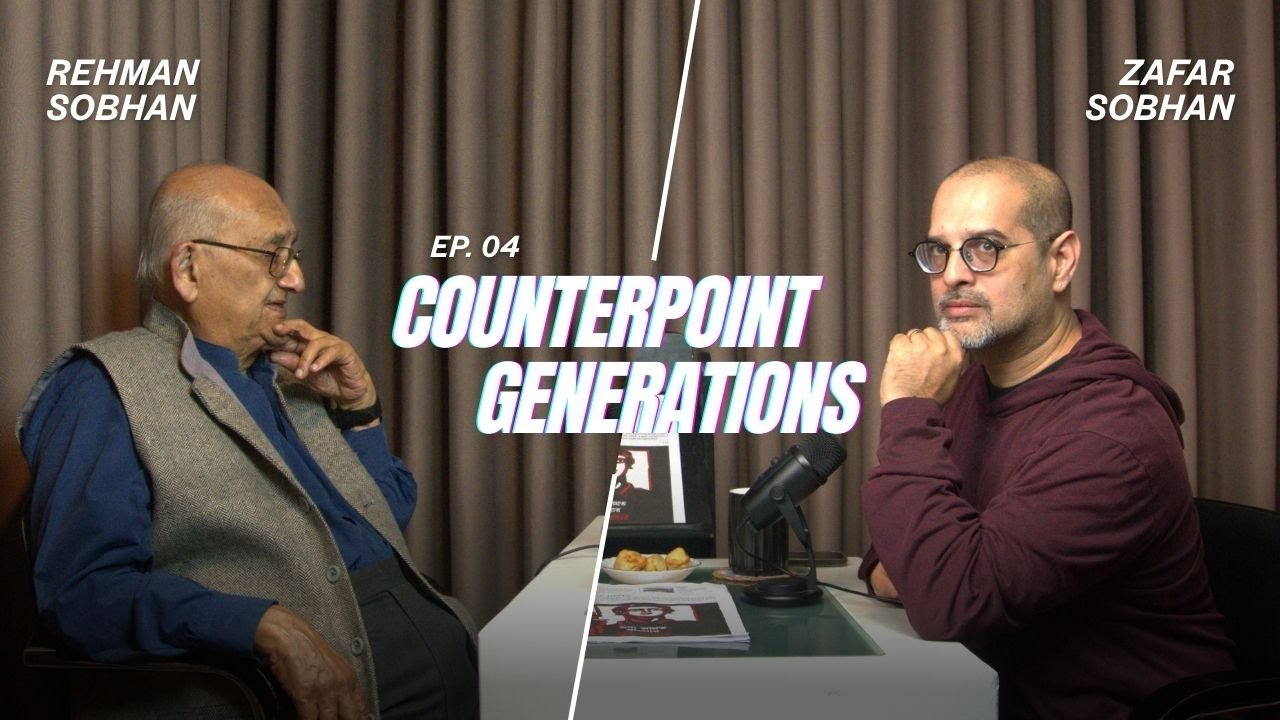
Counterpoint Generations | Episode 4

A timely conversation on media, culture, and power, as Professor Rehman Sobhan and Zafar Sobhan reflect on recent events shaping Bangladesh’s democratic landscape.

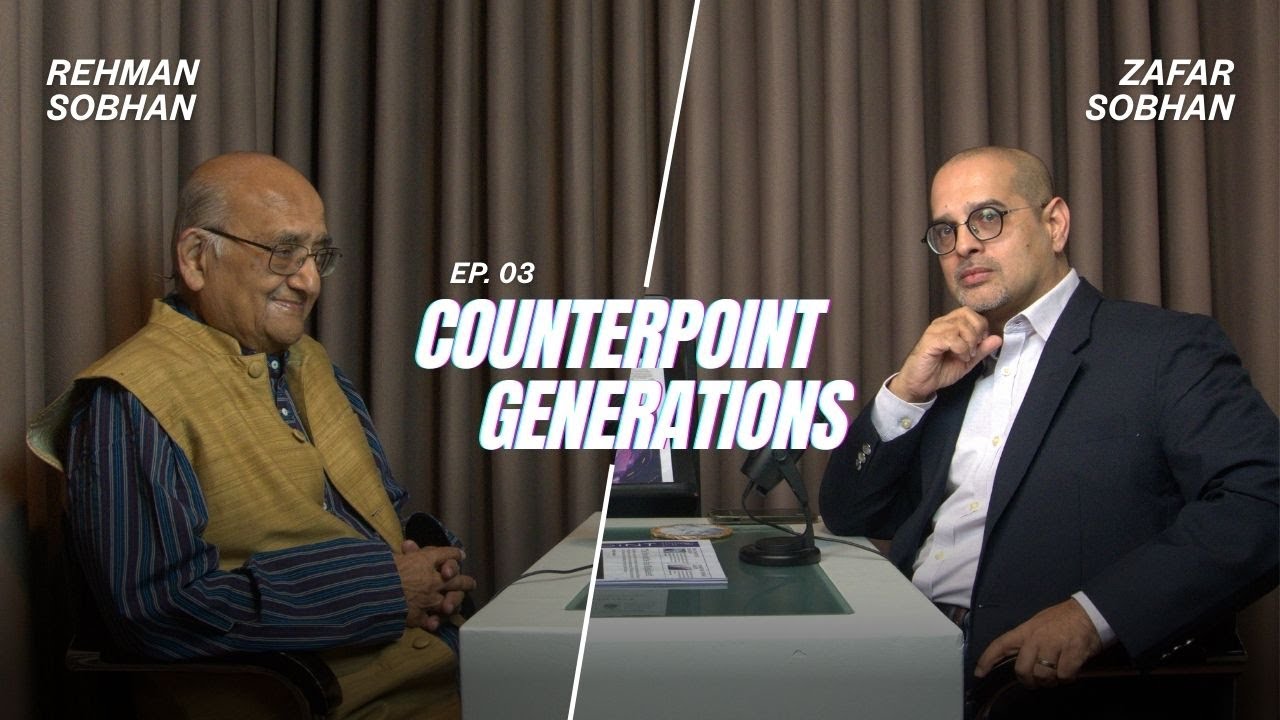
Counterpoint Generations | Episode 3

In Episode 3 of Counterpoint Generations, Professor Rehman Sobhan and Zafar Sobhan revisit the 1971 Liberation War through rich personal memory and historical reflection, from turmoil to triumph.

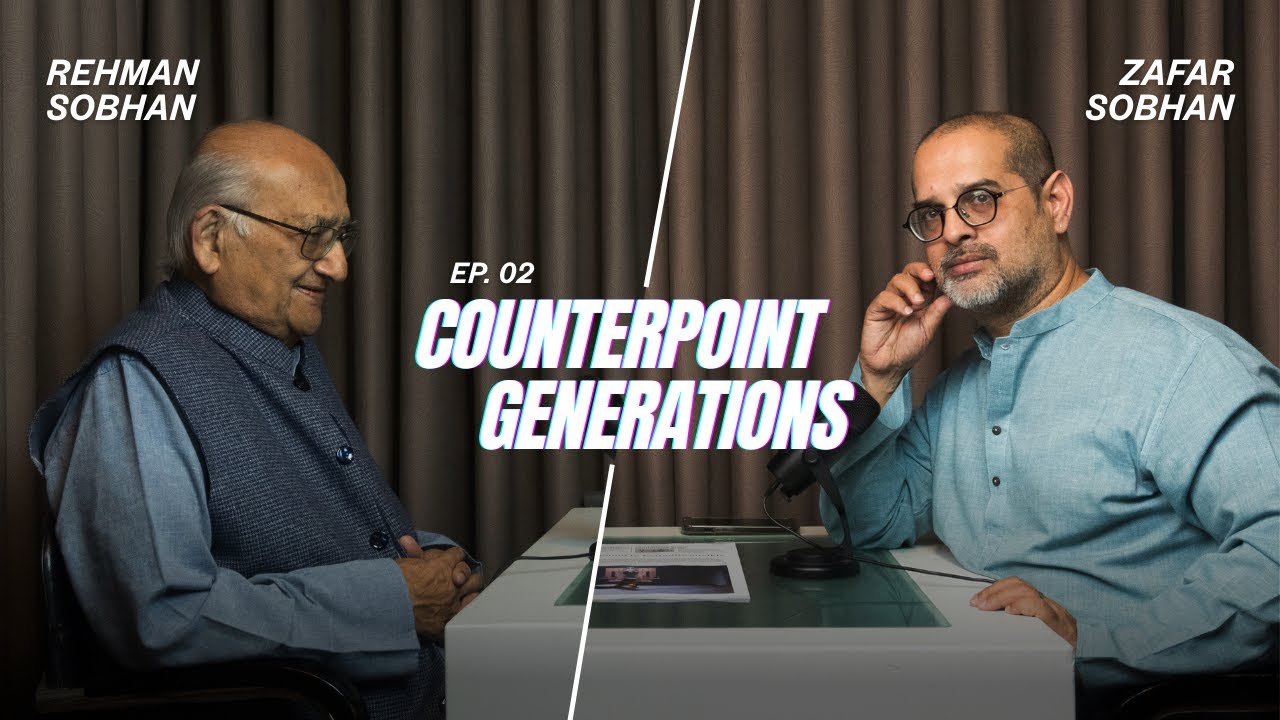
Counterpoint Generations | EP 2 | Professor Rehman Sobhan | Zafar Sobhan

A thoughtful examination of leadership, party dynamics, and the unfinished story of parliamentary democracy in Bangladesh, as discussed by Rehman Sobhan and Zafar Sobhan.

Interview