





















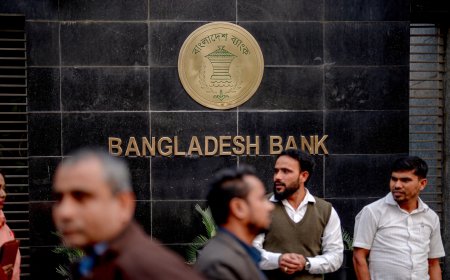






































The shift from nearly 36% in September to 30.60% in December, then rising to 32.78% by June, serves as a crucial reminder. While a decrease in the reported NPL ratio may seem positive, it is only meaningful if it reflects real improvement in credit quality.
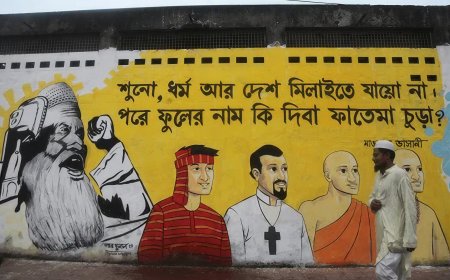
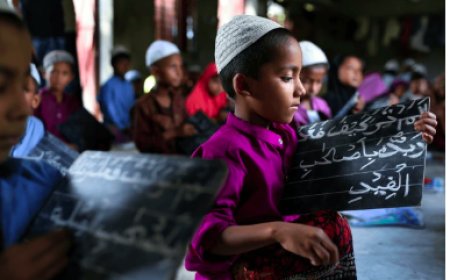
Bangladesh does not need to choose between religion and secularism. It must choose between a democratic political system, where diverse beliefs co-exist under shared constitutional rules, and a politics where identity is weaponized to determine belonging.

A bank can hold substantial cash yet still be financially weak if years of loan losses have eroded its capital. This distinction is especially important in Bangladesh.
Lower interest rates can reduce the cost of borrowing. They cannot repair broken credit discipline, restore depleted capital, or rebuild confidence. Monetary policy can support economic recovery only when the banking system is capable of allocating capital on commercial rather than political grounds.

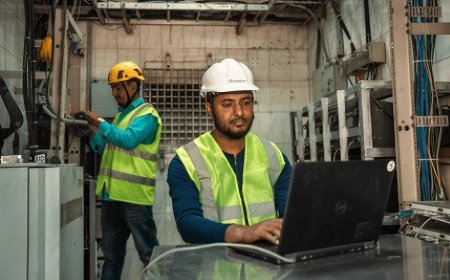
The future of work is arriving faster than many expected. The future of Bangladesh will depend on how effectively its youth are prepared to meet it.

Taxation is not simply about extracting more money from society. It is about defining the relationship between the state and its citizens. Countries do not become middle-income merely because they collect more taxes. They succeed when taxation strengthens the social contract rather than weakens it.
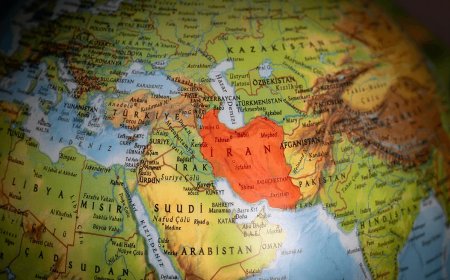
The ceasefire has created an opportunity. Whether the parties seize it will depend not only on the negotiators in the room but also on political leaders willing to accept outcomes short of their maximalist positions. Transforming that opportunity into lasting peace remains the region's greatest challenge.

The first BNP budget allocates billions for growth, infrastructure, and social protection. But its success will ultimately be judged by whether it creates employment for Bangladesh's growing workforce.

A higher public-sector wage bill may be justified, but without revenue reform and administrative restructuring, it could narrow Bangladesh's fiscal space for years to come.

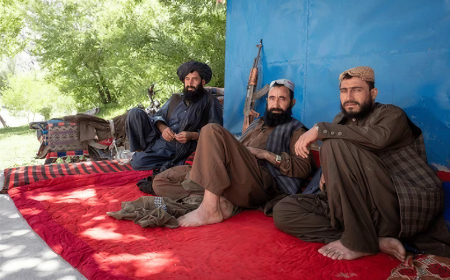
Bangladesh’s future depends not just on dismantling authoritarian systems, but on building institutions resilient enough to safeguard rights, mediate conflict, and hold power, whoever holds it, accountable.

The most important reforms, including tax modernization, banking-sector restructuring, and stronger central bank independence, remain incomplete. The coming budget will therefore be more than a financial document. It will be the first serious indication of whether the government intends to match cautious rhetoric with sustained reform.
The immediate steps are neither mysterious nor technically complex: Broadening the VAT base by reducing exemptions, strengthening the Large Taxpayer Unit to capture income from professionals and the informal wealthy, and automating tax administration to reduce discretion and corruption.

Bangladesh is not on the verge of collapse, but it remains fragile. During periods of economic uncertainty, central banks must stay above politics. When monetary authority appears negotiable, inflation expectations shift, currency stability drops, and fiscal discipline weakens.

Bangladesh is not heading for a crisis, but it faces notable constraints. Inflation remains high but not hyperinflationary. Debt levels are manageable but not insignificant. Institutional guarantees of electoral reform implementation will determine whether this change in government will be long-lasting.