





















































Nepal Elections Aftermath: Schadenfreude, Hopes and Apprehensions
As the new representatives go about setting up a government (which, the way the cumbersome Nepali system is structured, might be two weeks away in mid-March), it is now time for reflections, analyses and speculation.

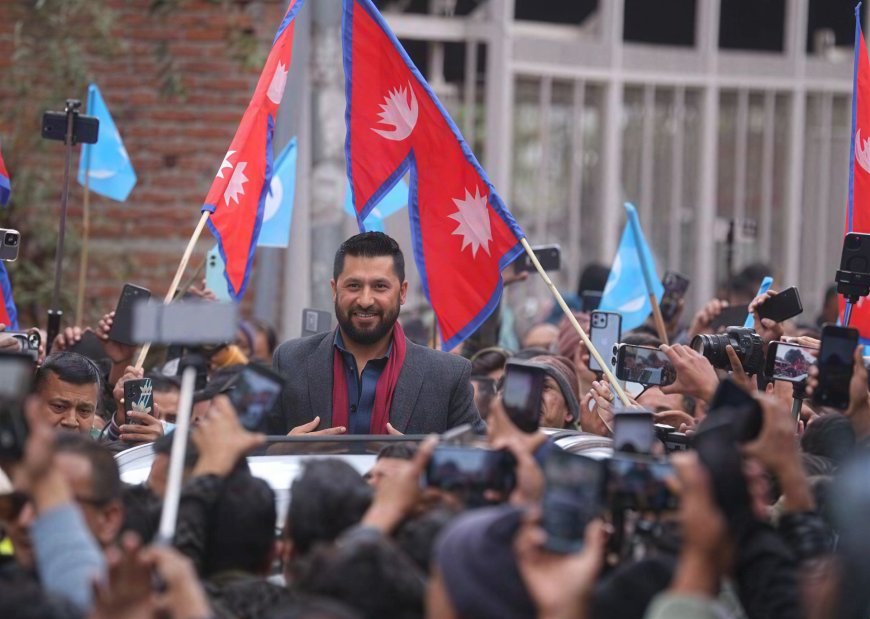
The results of the March 5 general elections caught everyone, including this essayist, by complete surprise.
Nepali voters proved the following beliefs and assumptions entirely wrong: That no party would get a majority and we would see a hung parliament; that the elections might be racked by violence; that the entrenched organizational machines of the big parties at the grassroots would make sure their vote banks stayed more or less intact; and that the flames of Gen Z anger and rupture had been skillfully tamed by the unconstitutional shenanigans of president RC Poudel and interim prime minister Sushila Karki to ultimately favour the old players and “rescue the 2015 constitution.”
In the 165 direct representation part, the new Rashtriya Swatantra Party (RSP) has won a clean 76% of the seats; and in the 110 proportional representation section, at the time of writing, it looks like it has won 48%.
Overall, with almost 66% seats in the parliament, it enjoys a nearly two-thirds majority, thus enabling it to make major (and much required) changes in the constitution.
Strangely, this was practically what the UML-Kangress combo (which was swept aside by the Gen Z rupture) enjoyed in the last government six months ago -- and which did nothing about the constitutional amendments they promised.
Nepali voters have flipped the switch completely to the other end, and have rejected the political narratives of the last eight decades by both the Kangress and the communists.
They have really also rejected their surrendering to New Delhi’s November 2005 12-point Delhi Deal and the current Loktantrick architecture it gave birth to. Whether RSP’s new leaders are capable of recognizing that and creatively as well as inclusively moving forward is another different question.
As the new representatives go about setting up a government (which, the way the cumbersome Nepali system is structured, might be two weeks away in mid-March), it is now time for reflections, analyses and speculation.
Beyond the schadenfreude that many are wallowing in because this election practically wiped out the old guards of the Kangress, UML and the communal Madhesi parties (barring the now irrelevant Prachanda and his Sancho Panza Barsha Man Pun), how does one explain the unexpected outcome, and what are the points of hopes and apprehensions in the days ahead?
The easiest question to answer is: Why were these elections the most peaceful in Nepal’s history?
Simple explanation: Nepal Army, which was given the responsibility for security overall as well as that of election booths.
Given that Nepal’s police and administration are highly party-politicized at the senior levels, they not only proved incapable in the past to prevent electoral violence but often were seen as complicit in them and booth capture by parties as well!
Now, why were analysts caught by surprise? We underestimated the utter disgust Nepali voters felt about the entrenched big political parties. This had been long in coming, indeed since the mid-1990s; and it was made apparent in the last local elections when, against all odds, Balen Shah defeated Kangress and UML heavyweights in the race for Kathmandu mayoralty, as did Harka Sampang in Dharan and Gopi Hamal in Dhangadi.
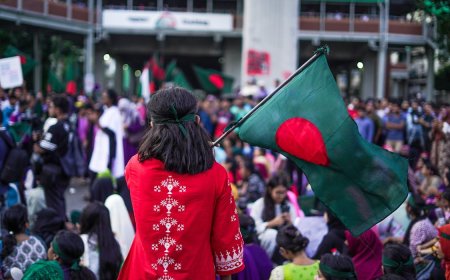
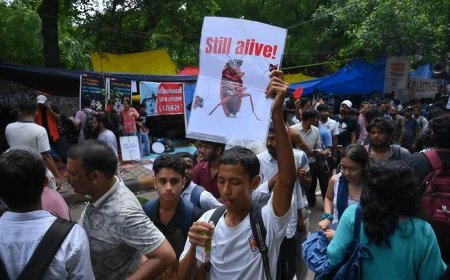
Gen Z revolt was the next big manifestation of that revulsion after those local elections. March 5 was the national voters’ payback time, big time!
Another big factor, from information coming out over grapevines, turned out to be the old Nepali practice of “antarghaat” (sabotage from within) arising out of the lack of meaningful party culture in Nepal.
A few months prior to the elections both the Kangress and the UML had undergone major rifts within their ranks which, far from having been politically managed and healed, were exacerbated by the “winning side,” i.e. Gagan Thapa and KP Oli, denying the opposite camp electoral tickets.
It led to the sidelined side to ensure the defeat of their party’s official candidates by getting their supporters to vote en masse for RSP instead. It is also a testament to the rot within these parties, their functioning not as parties but as neo-feudal fiefdoms, and their disconnect from the voters.
Another contradiction analysts are grappling with is this: King Gyanendra’s popularity has been rising ever since he peacefully left the Royal Palace in June 2008; and, as not just opinion poll surveys but also public welcomes during his travels show, it is currently several times higher than the entrenched leaders of old political parties.
Despite this, why did the self-proclaimed monarchist Rashtriya Prajatantra Party (RPP) fare so badly?
There are several explanations. RPP is not the only monarchist group in town, indeed it is said that there are some six or seven dozen of them (I have interacted with many of them!), most who dislike each other more than they dislike the established big parties.
Many, such as the well-organized groups led by Keshar Bista and Durga Prasai, boycotted the elections. This partly explains the relatively low voter turnout this time, it being less than 60% when in more exuberant national elections of the past, it has been as much as 77%.
Moreover, many such monarchist groups see RPP as opportunistic, aligning sans political principles with Kangress, UML or the Maoists just for ministerial berths. When King Gyanendra in his Democracy Day message called for national consensus on reforms prior to elections, RPP (unlike Bista and Prasai groups) chose not to act on it but go ahead with participating in the elections.
Had it decided to boycott the elections till such a consensus, today post elections, its political standing and clout among monarchist groups, indeed among the King-supporting Nepalis across Nepal, would be much higher, even without their being in the parliament, than where it is now.
What is significant that should be noted about the newly elected RSP members in parliament? The hopeful side is that they and proposed PM Balen Shah are (baring their party chief and a few others who reek of swindling and fraud) so far corruption-free. They are not shackled with the debilitating (and somewhat irrelevant) old political narratives of the Kangress and the communists, thus being free to explore new political philosophies as Globalization-II winds down and localization takes the front stage.
As they are young, many in their 20s and 30s and more below 50 years of age, they -- if they do not succumb to short-term gains -- will be around for the next two to three decades to implement their vision of Nepal’s socio-economic and political developments.
The main apprehension is whether they can stay together and function as an effective party. Given that they were born of frustration and anger, without any guiding political philosophy (i.e. about what they are against but not really what they are collectively for), how will they handle the stress and strains of allocating offices and acting together?
There are already disturbing signs emerging about possible leadership battles. Cleaning up entrenched corruption within the judiciary, administration and police is a Herculean task, as is reforming the constitution, which requires bringing together all sides of the Nepali political spectrum.
And all this has to be done even as the Middle West explodes, and with it oil and gas supplies are disrupted together with remittances (30% of Nepal’s GDP) and the safety of millions of expatriate Nepalis.
What about the badly mauled old parties? They now have time to reflect collectively: Will they emerge with new leadership and revitalized political philosophy and programs? Or will they slowly disintegrate into irrelevance, becoming a new version of Nepal Praja Parishad but without the respect Praja Parishad commands in Nepali history?
Voices within the Kangress and the communists are calling for serious rethinking of past mistakes since the mid-1990s and more specifically since the 2005 12-Point Delhi Deal and the Gen Z revolt. Will those voices be listened to and acted upon?
One sincerely hopes so, because a parliament without a strong political opposition is no democracy, current opposition being severely limited to independent Mahabir Pun and Harka Sampang with his Sram Sanskriti Party, and maybe perhaps RPP.
And even an overwhelmingly strong RSP does not inspire much hope of stability in older Nepalis who do not want to see history repeated.
In May 1999, a chastened Girija Koirala announced that his rival Krishna Prasad Bhattarai would be the PM if Kangress won the elections. It did because of that pre-election announcement (similar to Balen Shah being anointed), getting a simple majority that the earlier parliament lacked.
However, within three years, it changed three prime ministers, and was in the process of changing it the fourth time, when the third dissolved the parliament in 2002, and the rest is history. One prays this instability does not happen with the RSP of 2026!
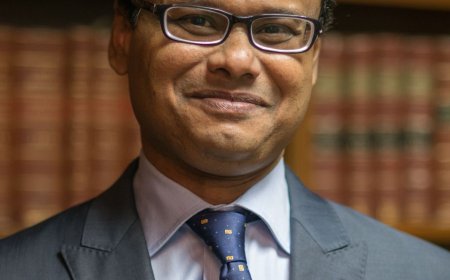
Dipak Gyawali is Pragya (Academician) of the Nepal Academy of Science and Technology (NAST) and former minister of water resources. This article was first published in New Spotlight Magazine. It is republished here by special arrangement.