



























































Prof Riaz is right that elections alone cannot sustain democracy. The further point is that institutions cannot remain independent if parties refuse to accept limits on their own power. Bangladesh will break its political cycle when we agree that winning power does not confer ownership of the state.
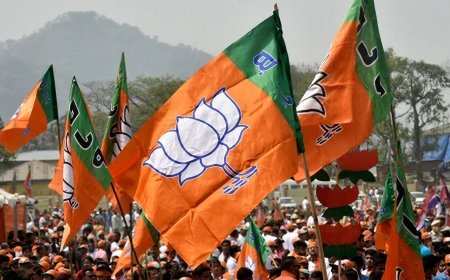
For Bangladesh, diplomacy has now become more important than ever before. It will require a sophisticated neighbourhood policy that combines realism with prudence. Emotional reactions or reactive nationalism unlikely to serve Bangladesh’s long-term interests well.
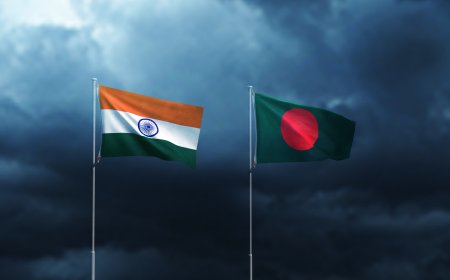
An already weakened Bengali Nationalism is going to be almost moribund. At the core of Bengali Nationalism is a common social and cultural heritage of the Bengali speaking people in both sides of the border.
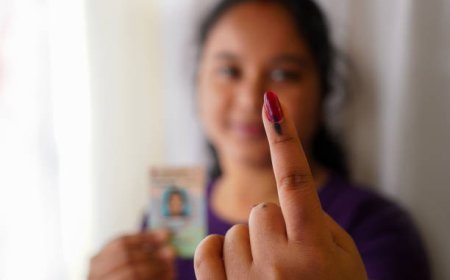
In 150 seats, more than half of West Bengal’s 294, total deletions were greater than victory margins, and BJP won 99. In 2021, it had won just 19 of these.
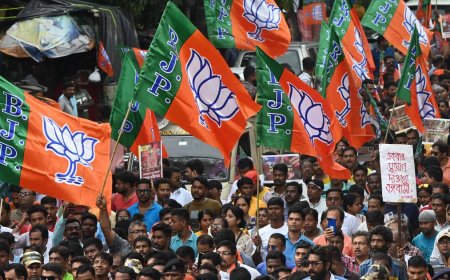
The Bharatiya Janata Party has secured a two-thirds majority in the state that it has never won before.

New media and direct communication have created openings for ambitious challengers who can bypass old gatekeepers and speak straight to voters. The victories of Shah and Magyar may therefore represent more than isolated upsets. They may be early signs of a broader political era in which aspiring outsiders can more successfully challenge the entrenched elite establishments.
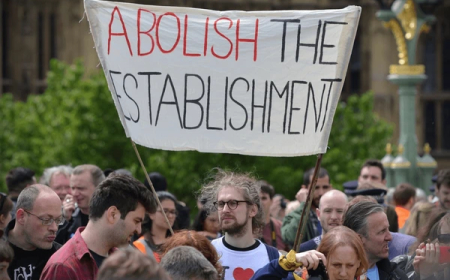
Whether a party is “Center-Left” or “Right-Wing” matters less to the modern voter than whether that party appears capable of breaking the system to improve the average person’s life.

Ensuring accountability is the key, and a state cannot design a system, cannot create an institutional design where the only protection is a party's or an individual’s goodwill. A state’s guiding operational principle cannot be to be ruled by the angels.
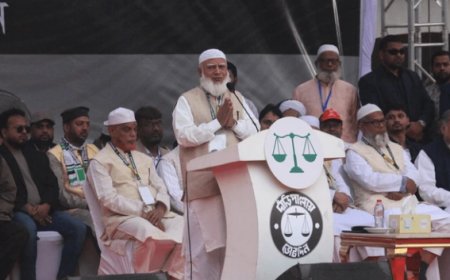
Jamaat conceded defeat, congratulated the incoming government, and committed to parliamentary cooperation while legally challenging disputed seats. This dual approach respects democratic stability while defending electoral accountability. It reflects institutional maturity, not grievance politics.

The 2026 electorate delivered a clear message: A revolution can topple a regime, but it cannot govern by erasing the cultural DNA of its people. Voters chose a path of stability, signaling that while they were ready for a new chapter, they were not ready to rip out the first pages of the book.

For all its organizational discipline, ideological clarity, and grassroots networks, Jamaat-e-Islami has spent five decades confined to the margins of Bangladeshs political mainstream -- not because it lacked ambition, but because the stage was always owned by others.
I write not to add another idea to the pile, but to argue for changing how we decide which ideas deserve the limelight. The answer lies in redesigning the system of decision-making itself -- clarifying who decides, how decisions are made, and how public money is allocated.

Voters opted for political change at a moment of acute economic strain and fraying public security. They desperately want stability and tangible economic recovery. That's what they voted for. That's what they now expect to receive in return.
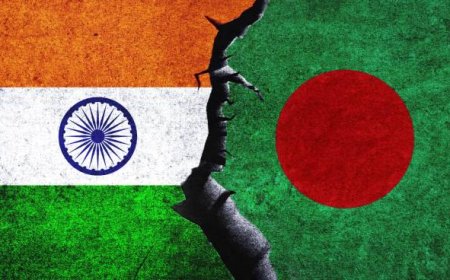
The fact that Jamaat has won so many seats for the first time ever -- most of them along Indian borders -- should be a cause for concern for India. While Bangladeshis may not have embraced Islamic fundamentalism this time, anti-Indian sentiment is clearly gaining ground.
Tarique Rahman can do what Sheikh Hasina would not: trust the Parliament he leads. Let it examine the Yunus era, line by line. Keep what works. Amend what can be saved. In that sequence, through that process, a course will emerge.

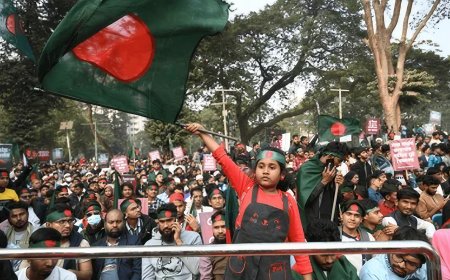
What did the February 12 elections mean for the future of Bangladesh?