





































































Economic Crosswinds: The Taka Faces New Global Pressures
While the duration of the conflict and the peak of oil prices remain unpredictable, there is a silver lining. Analysts note that the BDT is not as significantly overvalued today as it was in 2022. Consequently, any potential "crash" or magnitude of depreciation is expected to be much lower than the volatility witnessed two years ago.

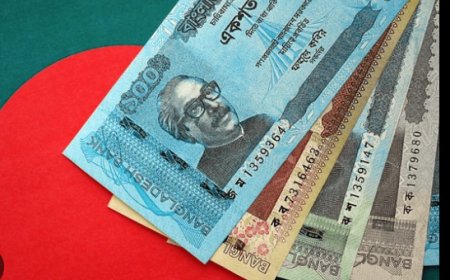
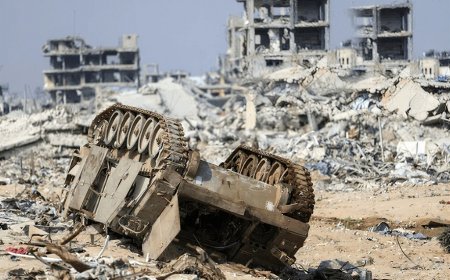
As geopolitical tensions escalate between Iran and Israel, the ripple effects are being felt across global markets, reaching the shores of Bangladesh. While the conflict mirrors some of the supply-chain disruptions seen during the Russia-Ukraine war, a critical question is now facing local stakeholders: What will happen to the Bangladeshi Taka (BDT)?
The answer largely depends on who is asking. For a local businessman, the concern is costs (or revenue for exporters); for a bond investor, it is a matter of long-term yield versus short-term volatility.
The "Crawling Peg" and Reserve Realities
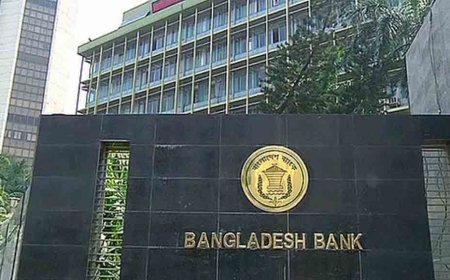
To understand the Taka’s future, one must look at how the Bangladesh Bank currently manages the exchange rate. The central bank employs a crawling peg system, establishing what it deems a "fair value" for the BDT and setting upper and lower boundaries for fluctuations.
In recent weeks, as Bangladesh generated a surplus in US Dollars, the central bank acted to buy USD, preventing the Taka from appreciating too quickly and successfully boosting foreign exchange (FX) reserves.
However, as global instability threatens trade, this trend is likely to reverse. If the Taka weakens significantly, the central bank will be forced to sell dollars, causing FX reserves to decline.
A Difficult Choice: Depreciation vs. Interest Rates
If a "terms of trade" shock -- such as rising oil prices -- persists, the government faces a choice to stabilize the economy: Allow the currency to depreciate or hike interest rates further.
• Currency Depreciation: This would require modifying the current crawling peg. The winners in this scenario are exporters, remittance earners, software companies, and freelancers. The losers, however, are importers and the general public, who would suffer from higher inflation.
• Interest Rate Hikes: Opting for higher rates would protect the Taka but punish companies burdened with debt. While the broader economy would feel the sting of slower growth, the immediate outcry would likely come from the business community, which has already been vocal about high borrowing costs.
Given the political and economic climate, initial adjustments are more likely to manifest in the exchange rate rather than aggressive interest rate hikes.
Magnitude and Market Sentiment
While the duration of the conflict and the peak of oil prices remain unpredictable, there is a silver lining. Analysts note that the BDT is not as significantly overvalued today as it was in 2022. Consequently, any potential "crash" or magnitude of depreciation is expected to be much lower than the volatility witnessed two years ago.
The Investor’s Dilemma
For those looking at the numbers, the choice between holding BDT or USD is a matter of timing.
| Asset Type | Estimated Return | Outlook |
| BDT Treasury Bonds | ~10% per annum | Strong long-term gains (5–10 years) |
| US Dollar (Cash Holdings) | Variable | Potential short-term gains during volatility |
Currently, risk-free bonds offer attractive returns of roughly 10% per year. On a long-term horizon, investing in Taka-denominated treasury bonds is likely to outperform the USD. However, in the short term, the annualized return on the Dollar might spike.
For the average individual, the challenge lies in the difficulty of timing the market and the transaction costs associated with switching currencies.
Ultimately, there are no perfect solutions -- only trade-offs in a world of increasing uncertainty.
Asif Khan, CFA is the Chairman of EDGE AMC Limited. He is also the president of CFA Society Bangladesh. All views are personal and not to be associated with any organization.