









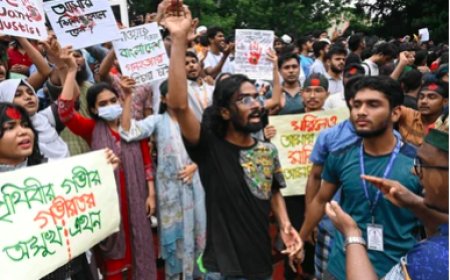









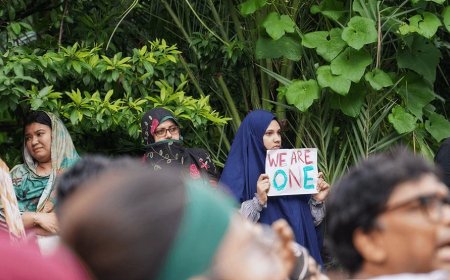
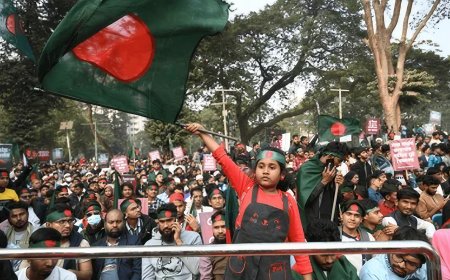








































What Bangladesh needs now is nothing less than a new social contract between the state and its citizens.

The broker may sell one person a route through the border. What is quietly sold away is a genuine refugee’s credibility and a legitimate student’s opportunity.

The country doesn’t need to own its AI stack; the economics rule that out. It needs people who can keep it running on its own terms. Sovereignty is not what you own. It is what still works when someone else changes their mind.

Bangladesh's economic prospects depend partially on how successfully it can navigate an international trade environment that has become increasingly defined by geopolitical rivalries.

As economic conditions evolve, is the central bank prepared to allow the taka to depreciate, or indeed appreciate should it come to that, over time? The MPS should ideally spell these out in an analytical manner.

If Bangladesh is to emerge from this transition with institutions genuinely stronger than those it inherited, power must become harder to capture, harder to personalize and easier to restrain.
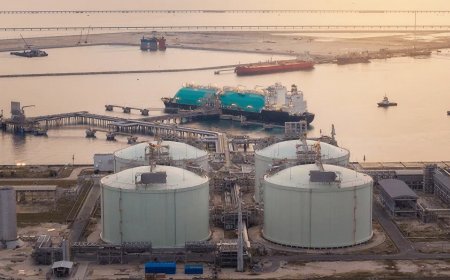
Bangladesh has already felt this reality directly -- fuel prices have risen sharply, garment factories have faced shortages and canceled orders, and foreign-exchange pressure has intensified, all within the same few weeks.
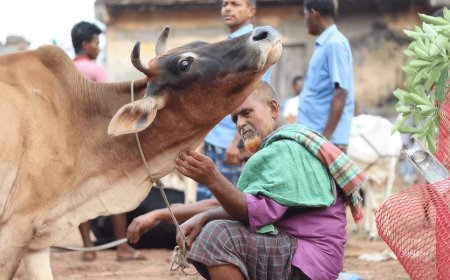
Growing up in Bangladesh, Qurbani Eid generally presented an unseemly sight. In the absence of centralized abattoirs, slaughtering occurred in building compounds, on public streets, or wherever space was available.

Safer to enter, harder to run: The revised rules may slow digital banks on their way to the underserved.

The most significant cost of Bangladesh’s new government pay scale may not be measured in government expenditure. It may be measured in incentives.
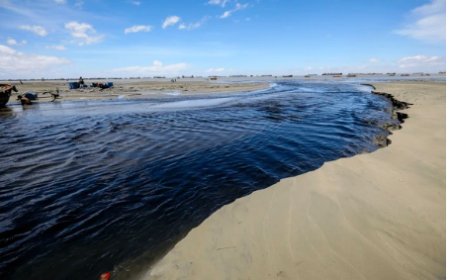
The historical responsibility for climate change belongs to the developed world, yet the extreme price is still being paid by our marginalized coastal people.
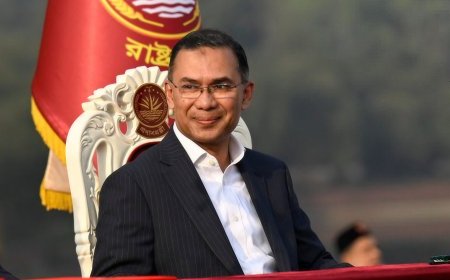
Bangladesh’s foreign policy has entered a period in which strategic balance, with the core guiding principle of “Bangladesh First” will be increasingly important.

Energy security therefore needs to be considered not simply as an energy sector issue, but as an important component of Bangladesh's broader economic security.
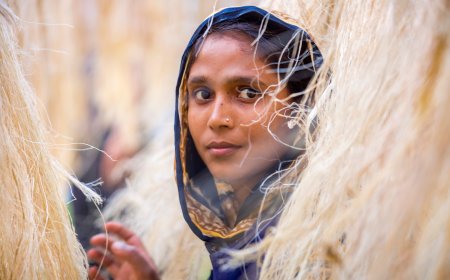
Development has delivered. But its purpose has shifted. We must acknowledge the shift and use the new age of development capital to build solutions that are built by us, owned by us, and that work for us. This is not a dying industry’s last rites. It is a graduation, and we should conduct it like one.

Governments across Europe are undertaking open-source software migrations, even though they can easily afford to pay for proprietary software. Bangladesh should also make this transition to save our hard-earned foreign currency.

One missing article does not establish a return to authoritarianism. It does, however, present an opportunity to reject secrecy and reaffirm a principle before uncertainty hardens into distrust.