

















































![A Ledger of the Soul: Navigating the Allah-Bhagavant Nexus in a 19th-Century Puruṣākāra Jñāna Caupara [Gyan Chauper]](https://counterpointbd.com/uploads/images/202608/image_430x256_6a93baa3b09a7.jpg)


















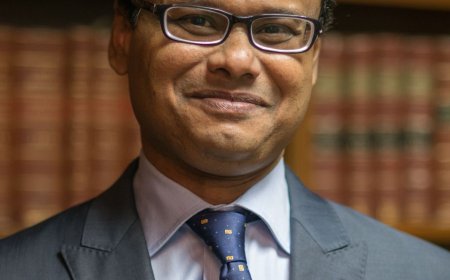



Dr Mohammad Nakibur Rahman is a professor of Finance at the University of North Carolina and the US spokesperson for Jamaat-e-Islami Bangladesh.

One missing article does not establish a return to authoritarianism. It does, however, present an opportunity to reject secrecy and reaffirm a principle before uncertainty hardens into distrust.

A democracy cannot ask citizens to trust the ballot while treating one of their ballots as optional. The government received its mandate from the people. The July Charter received its mandate from the people as well. Both must be honored.

The first Doppler poll suggests that the government's political position remains reasonably strong. Two different national surveys, conducted through different methodologies, place government approval at almost the same level. That convergence deserves recognition.

When a rigorous nationwide poll challenges the political narratives favored by commentators and newsrooms, the proper response is scrutiny, not silence.

The Michigan primary was not merely a victory for one candidate. It demonstrated that authenticity could withstand unprecedented financial pressure. It showed that principled leadership still resonates with voters.

A budget succeeds not because it contains attractive numbers but because citizens, investors, entrepreneurs, and international partners trust those numbers.

Ten years have now passed since his execution. Another ten will pass. Then another. Generations will arrive knowing his name only through history books, political arguments, or fading photographs. Time inevitably erodes public memory.

It is tempting, to view such a crisis as an aberration, an unfortunate deviation from an otherwise sound system. What has occurred at Islami Bank Bangladesh was not accidental; it was the predictable outcome of unchecked authority and weakened institutions

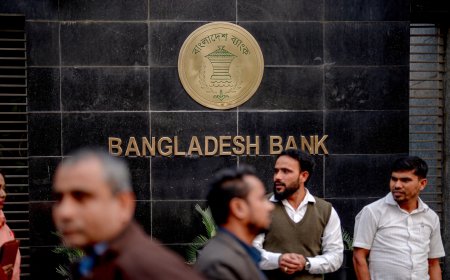
This government came to power with a democratic mandate. But it risks squandering it. City administrations must look neutral. International crimes prosecutions must feel independent. And the central bank must signal credibility beyond politics.
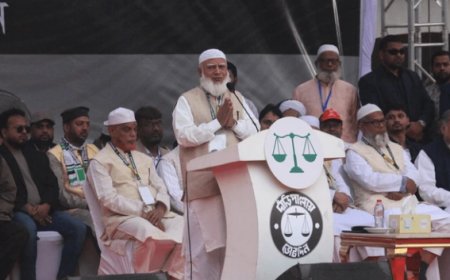
Jamaat conceded defeat, congratulated the incoming government, and committed to parliamentary cooperation while legally challenging disputed seats. This dual approach respects democratic stability while defending electoral accountability. It reflects institutional maturity, not grievance politics.

Bangladesh’s working mothers deserve a serious conversation about policies that ease their load and secure their economic future. They deserve thoughtful engagement, not reflexive dismissal. For once, let us debate the policy instead of demonizing the policymaker.

A trustworthy opinion poll requires a trustworthy method: the right questions, a sample that reflects the country’s diversity, strict data verification, and transparency about what the poll can and cannot reveal. Without these basics, no amount of promotion or visual appeal can turn a weak survey into meaningful data.

Tonight, Mamdani’s victory isn’t just his. It belongs to every person ever told you’re too different, too foreign, too inconvenient to lead. It belongs to those who were silenced, sidelined, written out of the script by those who claim to define “electability.”