











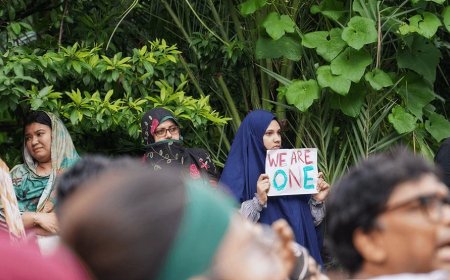
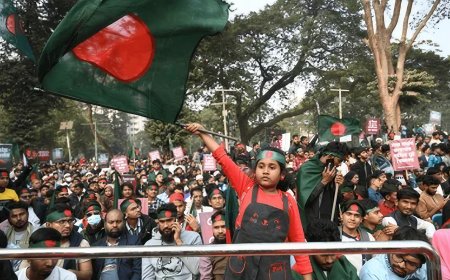



































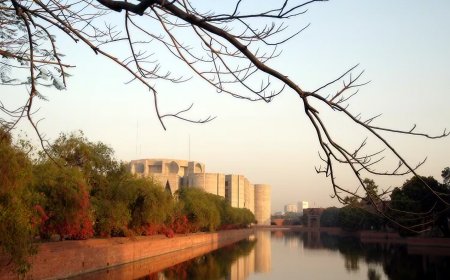
What Bangladesh needs now is nothing less than a new social contract between the state and its citizens.
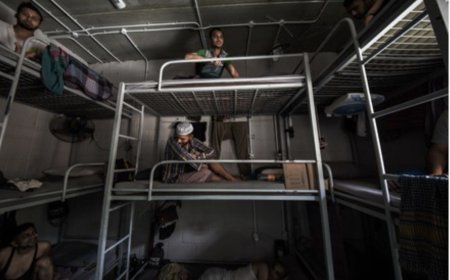
When you stand up for your citizens you earn respect. It doesn’t close doors, it opens them. If we don’t have respect for ourselves and our own people, how can we expect the rest of the world to?
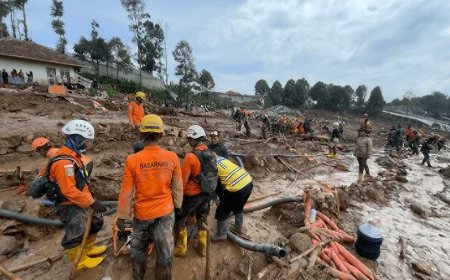
Natural disaster and relief distribution have become almost inseparable in Bangladesh.
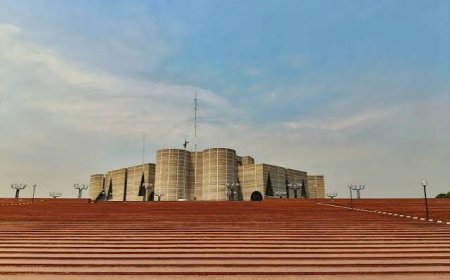
The willingness to impose consequences within the ruling party is a welcome signal. Its lasting significance will depend on whether accountability becomes sufficiently routine that citizens no longer have to wait for intervention from the top.

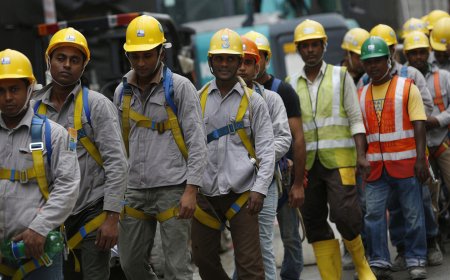
Somewhere tonight, another Bangladeshi man is finishing a shift he did not choose in a country that does not care to learn his name. What he has left goes to a mother who needs medicine, a sister who needs a wedding, a child who needs school fees. Somewhere tonight, a woman is working in a locked house, her phone in her employer’s hands, counting the days until her contract ends.
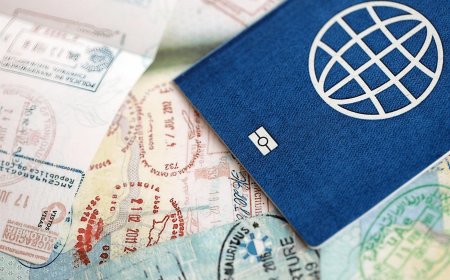
The broker may sell one person a route through the border. What is quietly sold away is a genuine refugee’s credibility and a legitimate student’s opportunity.
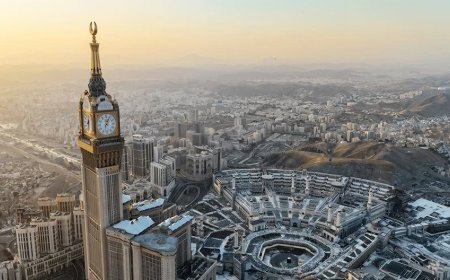
Nazrul Islam was 22. Sweety Akhtar was a young woman who just wanted to survive. They were alive on September 30. And the system, from Riyadh to Dhaka to Washington, chose to let them die.
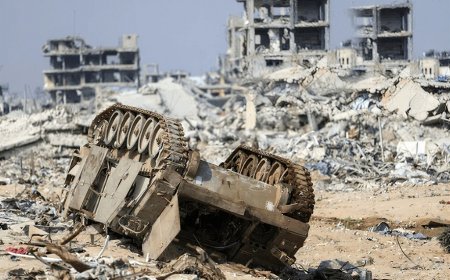
The US is out of options with bombs and blockades. A blockade is partial. The bombs have been shown not to work. We see diminishing rate of sorties all the time, now a tiny fraction of the sortie rate that the US is usually accustomed to.
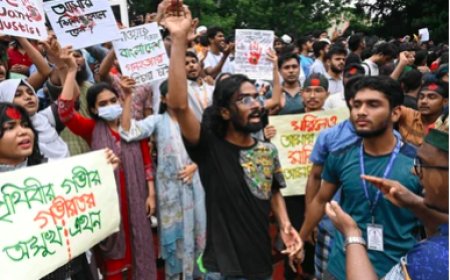
A historic election was held 18 months after the government's resignation with an electorate of approximately 44% under 35. Yet fewer than 10% of candidates were under the age of 35, and just twelve were elected to parliament.

The country doesn’t need to own its AI stack; the economics rule that out. It needs people who can keep it running on its own terms. Sovereignty is not what you own. It is what still works when someone else changes their mind.

Bangladesh’s new digital ID can make government easier to reach. It must not make citizens easier to watch.

The government should call the situation what it is: An economic emergency. That calls for urgency, transparency about the losses in the banking system, and a public discourse around austerity.
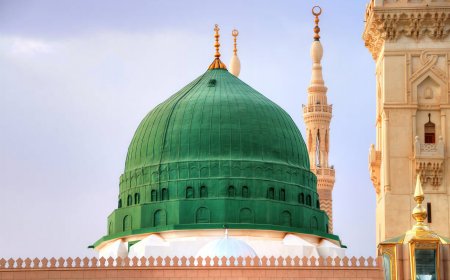
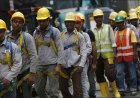
Abuse of Bangladeshi workers across the Middle East is widely reported, yet we have rarely seen real backbone from the ministry or our Gulf missions.
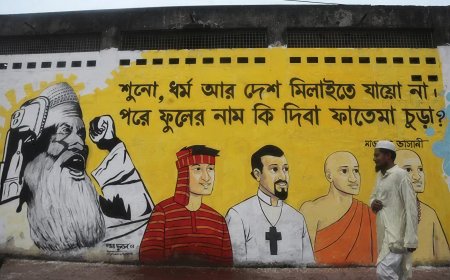
In Bangladesh, there is probably no major road where you cannot buy and eat beef from some shop or the other. You can eat it every day for your entire life if you have the money. No one is stopping you. There is no fear.
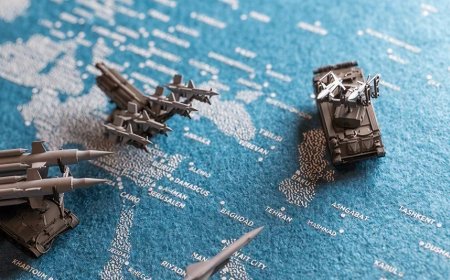
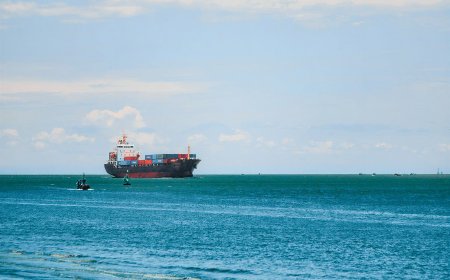
Bangladesh’s reserves have already come under pressure from import costs and exchange-rate changes; indiscriminate assistance could speed up reserve losses and fuel inflation. Trade, revenue and port agencies should speed up customs procedures and eliminate unnecessary logistics expenses.

Two Bangladeshis executed in Saudi Arabia raise questions about capital punishment, consular rights, and the unequal politics of citizenship.