



















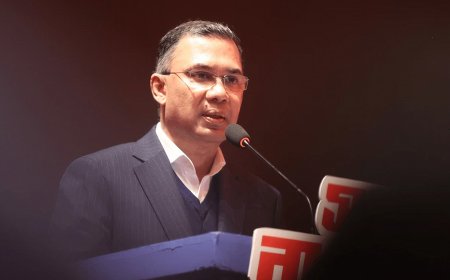
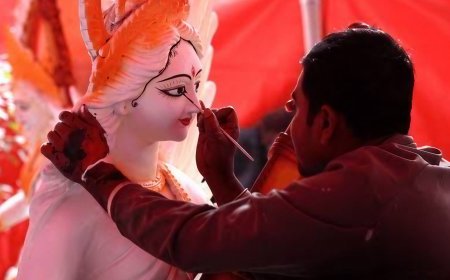

















































We cannot build a healthier political culture while treating humiliation as entertainment whenever it happens to someone we dislike. Disagreement is part of public life; cruelty does not have to be.

The state has a responsibility to protect victims and punish offenders. It has an equally important responsibility to protect people from arbitrary or prolonged detention.

No one could have predicted this disaster would happen when it did, but we all knew it would happen one day.

The government deserves credit for recognizing that women’s mobility is inseparable from women’s participation in work, education, and public life. But the measure will succeed only if it is accompanied by a broader change in how we think about public space.

The presumption of innocence, one of the oldest principles of modern jurisprudence, loses all practical meaning if an acquittal arrives only after years spent inside a prison cell.
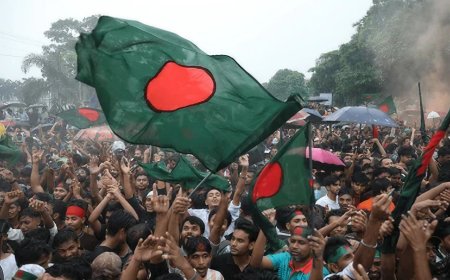
The first anniversary of a revolution can be about celebrating what was achieved. The second year should be about measuring what has changed.

The lesson from Bangladesh, Nepal, and now India is not that students have become unusually rebellious. It is that the region's political class has become unusually incapable of seeing them.

While we may briefly celebrate that the onslaught of criticism finally led to an apology and considerations for exam retakes, the government's quick patch-ups, for now, are, simply put, temporary band-aids.

By the time you read this, Morocco may already have had their rematch, and Norway may have taken England's measure. But something has shifted this June and July that no scoreline can shift back. The giants now walk onto the pitch uncertain.
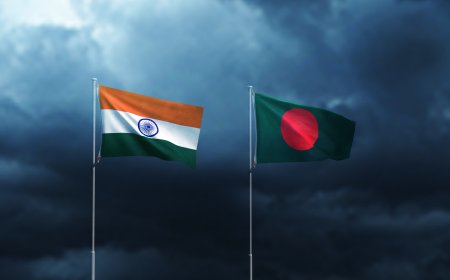
The tragedy for both Bangladesh and India is that the more anti-Bangladesh sentiment gets entrenched in India, the more its mirror image will get entrenched in Bangladesh, and the implications for both countries range from the unfortunate to the unthinkable.
We have long ago given up hoping that our government would do anything for us, and would be content if it simply reined in its worst excesses. As the old Bengali adage has it: We don’t want charity. Just please call off your dog.

Failure to act appropriately will have catastrophic consequences, sooner rather than later. The AL had 15 years before their malgovernance caught up with them. The current government won't have 15 months.
Respecting the rights, dignity, and freedom of women, and ensuring full equality for women in health, education, employment, and opportunity must be established as the common ground on which all political actors in Bangladesh agree.
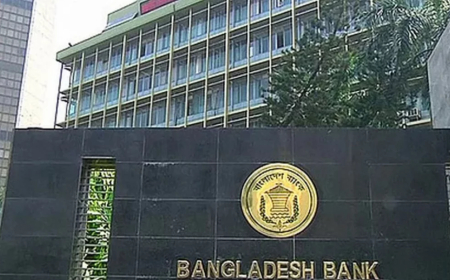
There is no better way for the ruling party to signal that it understands this new reality and that recognizes that it is truly a new day in Bangladesh, and that they too have changed their spots accordingly, than for them to quietly walk back the appointment.

We want to live in a country where the jails are not filled with innocent men and women. This is a basic measure of the probity of any government. This is the rule of law. If there is one thing that the government can deliver for the Bangladeshi people it is this.
The people of Bangladesh do not ask that the government solve all or even any of their problems. They ask only that the government not be the source of their problems and that it simply does its job without favour or fanfare. And above all, they want normalcy, they want civility, they want decency.