





































































An Unforced Error
Keeping interest rates artificially low is a recipe for disaster. We have been here before -- not even too long ago -- and we know how this story ends. It won't be pleasant for anyone, least of all the newly-elected government.


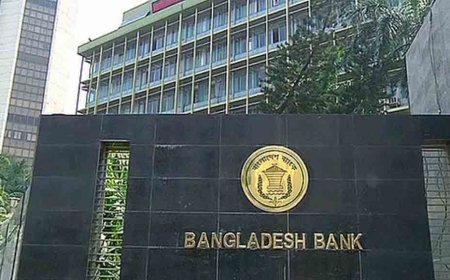
The central bank governor’s job is perhaps the most technocratic of all policymakers. The central bank’s function is to maintain stability in the macroeconomy and the financial system.
In the advanced capitalist world, macroeconomic stability has come to mean price stability. For a developing economy, it could also mean defending the exchange rate or maintaining solvency of the government.
Financial system stability means maintaining a functioning banking system, keeping the credit flowing, and acting as the lender of the last resort.
Heading the central bank requires a solid understanding of macroeconomic theory and empirics, and practical experience in banking and finance.
The central banker needs to have years of experience that allows one to develop a thorough understanding of the data, or network in the industry that allows one to make a few phone calls and get a feel for things in a rapidly evolving world.
The central banker needs to complement rigorous analysis that is founded on a solid understanding of macroeconomic theory and practice with subjective judgement that comes only with experience in banking and finance.
I wrote the above in an article in the summer of 2009, when Sheikh Hasina had appointed Atiur Rahman as the Governor of Bangladesh Bank.
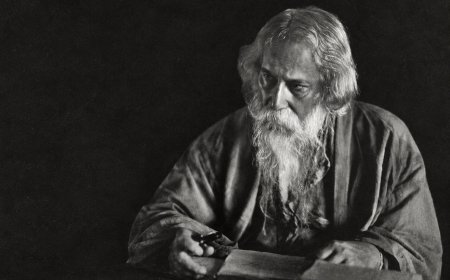
At that time, the appointment had been greeted positively by many because of the then governor’s inspirational life story, background in development economics, and interest in Tagore’s work. Some had commented that the appointment was evidence of the Hasina regime’s ‘pro-poor’ bona fides.
However, little had been said about the judiciousness of the appointment given the challenges facing the economy, and qualifications and experiences that might have helped the Governor in overcoming them.
And my scathing criticism of the appointment couldn’t find a taker in Dhaka’s handful of English outlets, which remained fearful to buck the official triumphalist Hasina narrative of that summer.
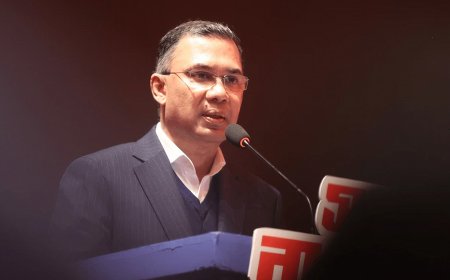
Well, in the post-Monsoon Revolution Bangladesh, Prime Minister Tarique Rahman cannot, indeed must not, expect the luxury of a self-evidently poor appointment to this most technocratic of positions without facing public outcry.
It is heartening to see such outcry against the appointment announced on February 25.
Let me add to that public note of dissent against the Prime Minister with a brief summary of the manifold policy challenges any Governor-designated would face, and how a qualified technocrat might be better placed to serve the nation.
Firstly, the banking sector remains a mess.
We know that the fallen Hasina regime ran a licence-plunder-launder scam and siphoned off billions. We know that between a third to two-fifths of all loans might never be repaid.
We know that there is no easy solution to this, but the least bad option is to merge a number of these ‘bad banks’ together and create a new entity, capitalize it partly with public funds, and insulate the rest of the system from the rot.
This is not an easy task. It is financial equivalent to a heart surgery. But it is doable. It’s just that you don’t ask a dentist to do heart surgery, which is the metaphor I used in 2009. A tailor might be more apt today.
Secondly, inflation remains uncomfortably high, albeit moderating (Chart 1). This is a tricky conjuncture for monetary policy.
On the one hand, macroeconomic theory and empirics is clear -- when faced with inflationary shocks, such as what we had experienced in the aftermath of the pandemic, the appropriate policy response is to raise interest rates and keep them elevated until inflation declines.
The trick is to know how high the rates should be, and how long should they stay high.
Chart 1: Inflation

Source: Bangladesh Bank.
There is no clear-cut answer to these questions. Chart 2, for example, show that real borrowing rates are not high by historical standards.
Chart 2: Interest rates

Source: Bangladesh Bank.
Someone with a better grasp of the subject would have known that interest rate is the policy instrument. It is a means to an end, not an end in itself.
What can happen when interest rates are kept artificially low? We actually don’t need to go that far back in time or to any foreign country to know the answer. Borrowing and lending rates were capped by the fallen Hasina regime to below inflation, making money cheaper than free to those with access to credit. They borrowed and siphoned. Taka plummeted. Reserves halved.
We know how that story ended.
The country cannot afford this unforced error by a newly elected government facing difficult economic challenges. Better sense must prevail.
Jyoti Rahman is the Executive Editor of the weekly Counterpoint.