






































































How to Lose Friends and Alienate People
If the BNP's goal had been to signal to the Bangladeshi people that everything their adversaries say about them is true, that nothing has changed from the time they were last in office 20 years ago, that they remain exactly the same party of cronyism, corruption, and contempt for public opinion, they could not have done a better job.

Yup, that ought to do it.
In the wake of the February 12 election, the entire nation was waiting to see whether the BNP had truly turned over a new leaf and were a new party, as we had hoped and the party had promised.
Would the incoming BNP government be one that was chastened by their time out of office, heeding the lessons to be learned from the ouster of the Awami League in 2024, wiser, more prudent, more sensitive to public opinion and appearances?
Or would we find that nothing had changed, that this was the same old BNP that not only made seemingly arbitrary and capricious decisions (and that’s the charitable description), but also had a contemptuous disregard for how their actions would look to the people of this country, to say nothing of foreign investors and the wider world.
I guess we have got our answer, and it only took two weeks.
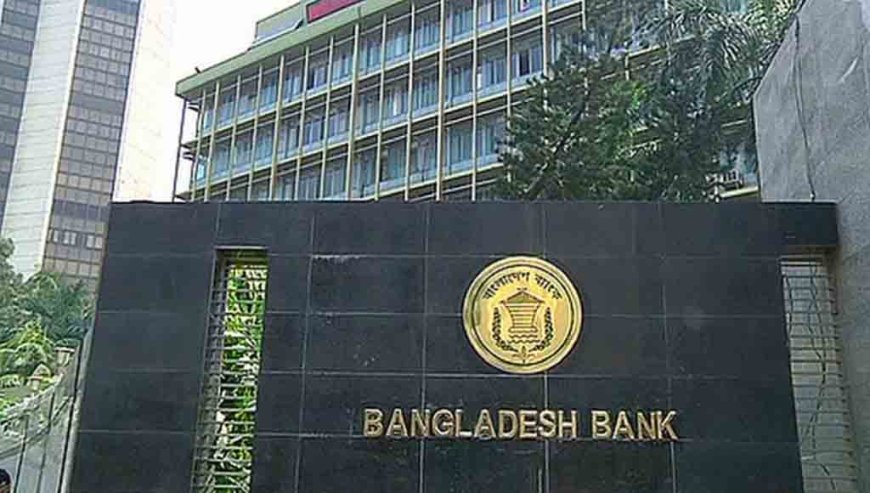
Let us count the ways in which the ouster of the highly respected Dr. Ahsan Mansur from his post as Governor of Bangladesh Bank and replacement by a little known RMG factory-owner with no apparent credentials for the job was an easily avoidable blunder on the part of the BNP.
To start at the start, Dr. Mansur had an excellent record as the governor. He inherited an economy in freefall and took the difficult steps needed to bring it to equilibrium. He was trusted both inside the country and out. His summary dismissal halfway through his term will only harm national and international confidence in Bangladesh.
Secondly, if he had to go, in order to “implement the [incoming] government’s programs and thinking,” in the words of the Finance Minister, then it could have been accomplished in a more professional manner.
The abrupt ouster of Dr. Mansur was striking in its lack of grace and civility for a public servant who is owed a debt of gratitude for the sterling role he played in stabilizing Bangladesh's economy over the past 18 months, and has at all times comported himself with dignity and decorum, as he performed the most difficult and thankless of tasks.
The fact that it was done apparently in large part as a result of agitation by a section of the central bank’s staff further underscores the slapdash nature of the incoming government’s decision-making. Is this how the BNP plans to govern moving forward?
All this before we even come to the modest identity and thin resume of the new governor. If the BNP needed a governor to get with their program and priorities (presumably lower interest rates and easy money, what could possibly go wrong?), then why this particular choice?
Did they not consider the impact the appointment of an individual with zero banking experience who had recently had 89C of outstanding loans rescheduled and whose primary claim to fame and credential for the job appear to be that he had served on the BNP election steering committee would have on public confidence?
Independence of the central bank is crucial to the health of the economy. It was precisely this lack of independence that led to the economic disaster under the Awami League that set the stage for the movement that culminated in the party’s ouster in 2024, and that the country is still paying for. The only way to solve the problem is through stewardship of the central bank free from political or other influence.
The BNP has just signaled to the world that on their watch the central bank will remain subservient to the government and will not operate independently.
Not only is this grievously ill-advised economic policy, but it will also have catastrophic consequences for public confidence both in the Bangladesh economy and in the BNP as a governing party.
In the final analysis, this is the biggest cost of this misstep on the part of the BNP.
If their goal had been to signal to the Bangladeshi people that everything their adversaries say about them is true, that nothing has changed from the time they were last in office 20 years ago, that they remain exactly the same party of cronyism, corruption, and contempt for public opinion, they could not have done a better job.