























































Bangladesh’s universities have long produced political movements and political leaders. They can also become laboratories for better political institutions. A democracy willing to experiment with how it listens to voters may ultimately become better at hearing them.
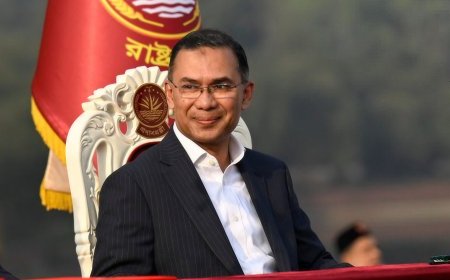
The immediate challenge before Prime Minister Tarique Rahman is to slow down the gyration of the turning wheel and to set us on a straight path. To assess such possibilities we need to clearly understand the political lessons from the recent elections and to explore the pitfalls which lie ahead.

In the final analysis, a truly elected government is powerful not because it controls the state machinery, but because it commands the consent of the governed. That consent, however, is not permanent; it must be earned every day through performance, integrity, and humility.

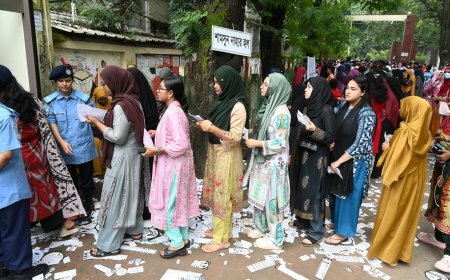
Episode 9 of Counterpoint Generations reflects on the immediate post-election landscape, examining voter participation, the formation of the new cabinet, and the institutional challenges facing the incoming government as parliament prepares to begin its term.
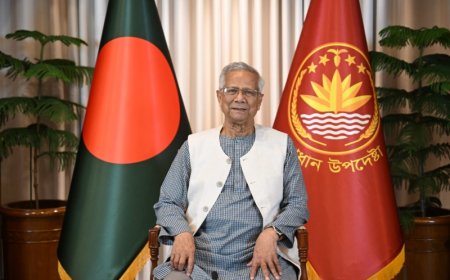
Today, 18 months later, as the nation takes stock of the past and looks at the future, it is an opportunity to evaluate the performance and legacy of Muhammad Yunus and his Interim Government. The performance and work of the Interim government, despite some shortcomings, must be commended, perhaps even celebrated.
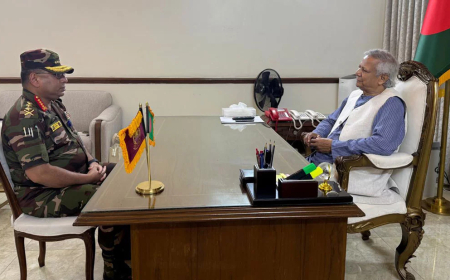
In an era of polarized discourse and manufactured divisions, Dr. Yunus and General Waker-uz-Zaman showed us the path forward: Humility in the face of criticism, prioritization of the nation over self, and relentless pursuit of reform and justice.
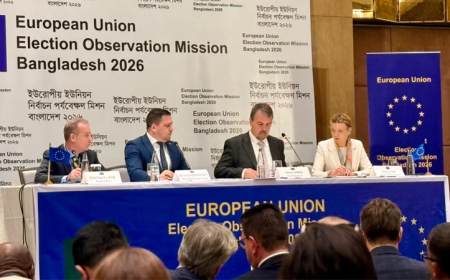
The failure of the observer mission to engage with the question of inclusiveness suggests a selective view of the elections
Bangladesh has held many elections since independence in 1971. But few have carried the weight of this week’s vote. Now comes the harder test: Proving that victory does not mean domination.

Are you relieved (or disappointed) that Jamaat did not get more seats? Not so fast. This election was a big victory for the party. Those who are disappointed with Jamaat’s result have not yet had their basic lessons in politics.

Despite a paucity of resources, a showing of 66,000 was very creditable. Even without all their resources, without AL and minority votes, the BNP candidate would likely not have prevailed. This was an encouraging start that provides a strong base for the future.
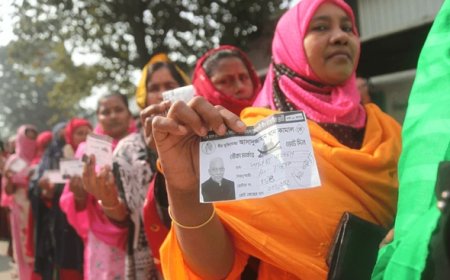
Bangladesh remains socially conservative in many ways, but voters demonstrated political moderation. Economic stability, welfare support, and social peace mattered more than ideological confrontation. The electorate did not reject religion. It rejected restriction. It did not embrace radical liberalism. It embraced balance.
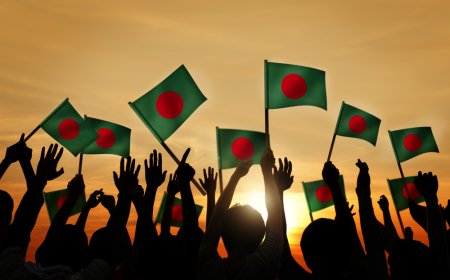
The winners and losers, and those in between, in the aftermath of the February 12 polls
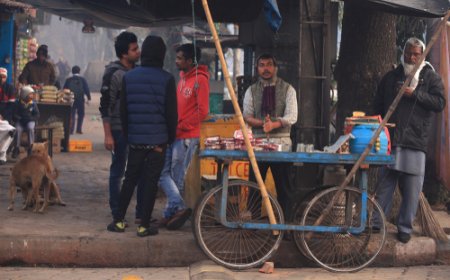
Bangladesh has debated itself intensely this season . Now the debate shifts from imagination to implementation. Dhaka is not beyond saving. But it will not be saved by manifestos alone.

The new government will need to deal with a range of issues related to transitional justice, to include accountability, truth, healing, and (ultimately) reconciliation.
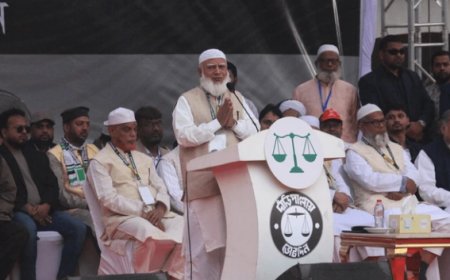
For all its organizational strength (its cradle-to-grave welfare systems, disciplined cadres, and efficient disaster response), Jamaat serves a problematic end: It is in the service of creating a theocracy from the bottom up.

Jamaat can only win if this is a wave election, signaling a tectonic shift in the national mood. There is little evidence of this in the polls and available data. It is possible, but not probable.