












































The Song Remains: Freedom, Memory, and the Refusal to Forget
Whether it is a party that markets itself as the sole heir of 1971, or a hardline movement that once mocked that struggle and now sanitizes its record, the exploitation is the same. Both seek to convert freedom into political capital. Both demand that citizens forget what they saw and felt. Both ask us to trade memory for myth.

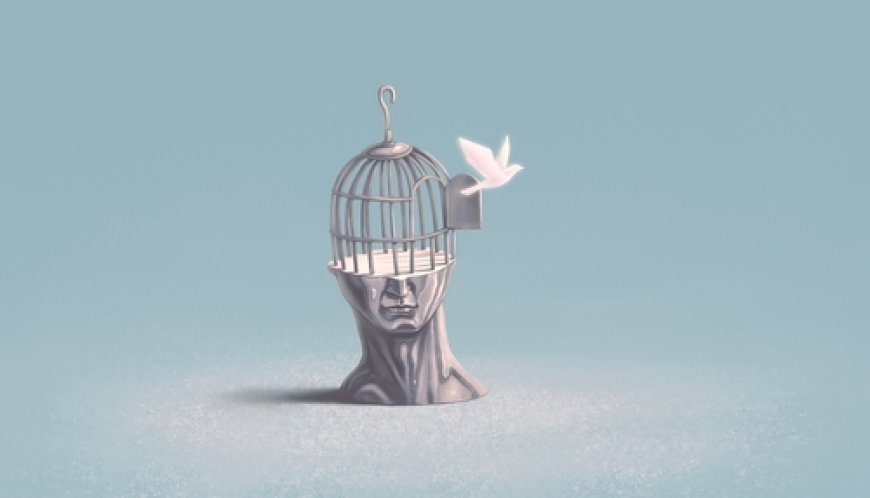
Freedom is not a slogan, a brand, or a party credential. It is real, lived, and tested, often at great cost, by people who act from conscience when power tries to claim the right to define truth.
The lesson is simple and stubborn: History can be curated, but freedom cannot be owned. It persists wherever people refuse to bow to fear and distortion.
Freedom as Conscience, Not Credential
I remember Bolu Kaka, Abbu’s friend, who stood beside him in 2012, when Abbu was first arrested for standing up against enforced disappearances by state agencies. Bolu Kaka was a soft supporter of the ruling faction at the time, yet he defended Abbu because truth demanded it.
That is the most intimate form of freedom: The soul’s insistence on telling the truth, even when it is inconvenient to one’s camp.
I also remember Iqbal, my uncle’s Bihari friend, who took shelter in our home in 1971 but rushed out when he heard his mother’s voice. Before he was killed, he told his drama teacher: “You taught me to recite Bengali poems, but you did not teach me how to be a Bengali.”
His words haunt us still. His Hindu teacher begged for his life, but could not save him. Years later, someone in Canada read my article online, contacted me, and told me about the book Iqbal’s brother wrote years later -- The Refugee.
The bystander who disarmed a killer in Bondi beach did not pause to sort identities; he recognized a duty to protect life. Faith does not absolve us from conscience, it equips conscience with courage. No emblem takes us to heaven, no banner guarantees dignity. Conscience does.
That is why truth-tellers are attacked, because they refuse to trade conscience for choreography.
Rosa Luxemburg and the Right to Think Differently
I wrote this op-ed in 2015, titled A Beautiful Song of Freedom. Back then, the Pilkhana incident had already happened, Shapla Chattar had happened, an uncontested election had taken place, Sumon had disappeared, and Ilyas Ali had vanished and never returned. The op-ed was about Rosa, but more than that, it was about freedom, a theme that remains painfully relevant today.
Rosa Luxemburg understood the essence of freedom than most. Born in 1871 and murdered in 1919, she was a revolutionary who refused to sacrifice critique for ideology. She warned against the seduction of power masquerading as inevitability, and insisted:
“Freedom is always and exclusively freedom for the one who thinks differently.”
She opposed tyranny even when it rose from movements claiming liberation. For that, she was beaten, shot, and thrown into a river by men who believed order mattered more than truth. Her last words, written on the evening of her assassination, refused despair: “‘Order reigns in Berlin!’ You stupid henchmen! Your ‘order’ is built on sand ... I was, I am, I shall be.”
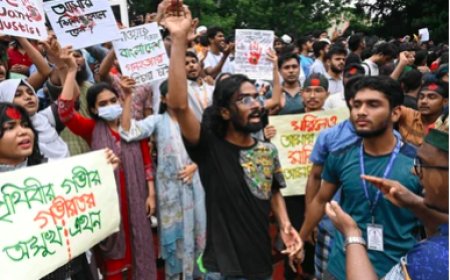
Thousands of Rosas have died since then, in Palestine, in Africa, in Syria, in Egypt, in USA, in Europe, and of course in Bangladesh. In 1971, in 2024. These people chose to make a difference in their world. They participated in the process of change, not just believed in it. They took the paths untrodden and paid the price.
The Capture of 1971 and Its Unravelling
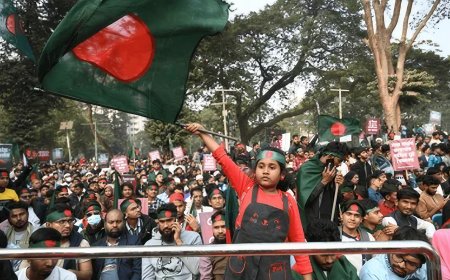
For decades, the story of 1971 was narrowed, curated, guarded, treated as partisan property rather than shared heritage. To question the narrative was to be accused of betraying the nation; dissent was reframed as disloyalty; silence as prudence.
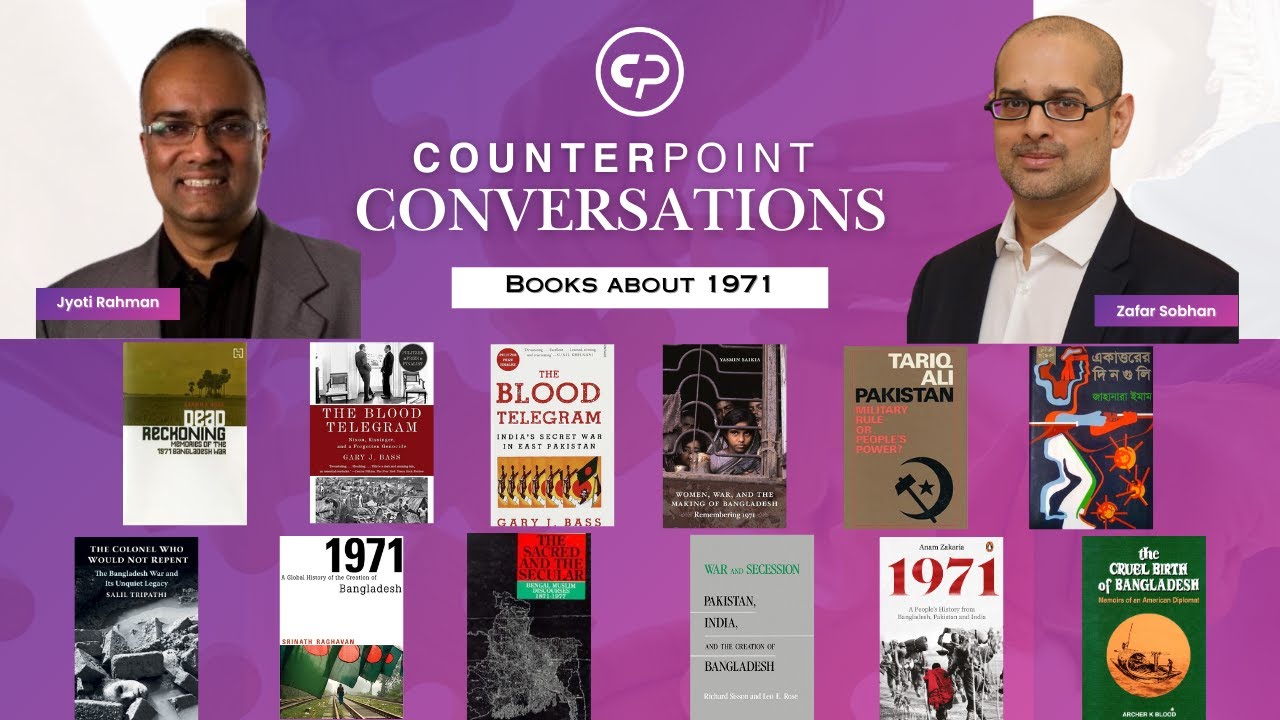
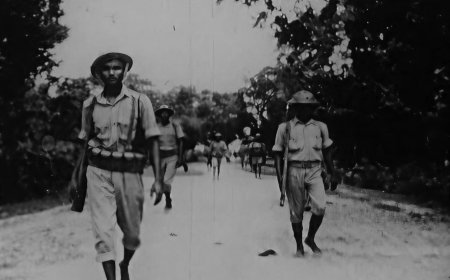
My family carried its share of that distortion. My father helped organize the war effort in 1971. He was the first to take down the Pakistani flag at the Thakurgaon police station with Bojlar chacha standing beside him. My family took refuge in Islampur, a camp in India.
My father’s uncle directed a youth camp during the war, and another uncle, Air Commodore Khandakar, served as Air Chief of the Bangladesh Air Force in 1971. Yet we were humiliated. My grandfather was falsely branded a razakar.
Lies and propaganda spread. Khandakar uncle was insulted because he wrote the truth about Sheikh Mujib. This is how Awami League and its allies degraded those who dared to stand against them.
This was not an accident. It was a strategy, one that relied on emotional blackmail rather than democratic consent.
And still, the truth remains inconveniently simple: Independence was won by people who never asked who would later own its narrative. Farmers, students, women, workers, many never named, never memorialized, never politically useful, carried freedom without expecting recognition.
Freedom was not won so it could be rationed later.
The New Distortion
As one monopoly on history collapses, another emerges.
We hear new claims that a different faction’s supreme leader was the “true hero” of our freedom despite their opposition to the liberation itself.
The argument shifts: It wasn’t the people we opposed, it was a neighbouring state; it wasn’t collaboration, it was principle. This is the old trick in a new costume: Turning sacred history into a partisan shield.
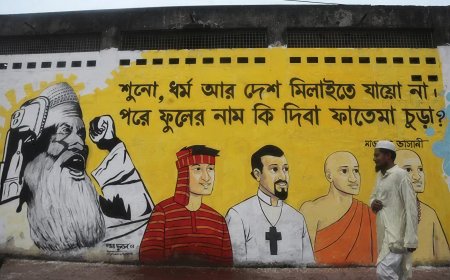
Whether it is a party that markets itself as the sole heir of 1971, or a hardline movement that once mocked that struggle and now sanitizes its record, the exploitation is the same. Both seek to convert freedom into political capital. Both demand that citizens forget what they saw and felt. Both ask us to trade memory for myth.
We must refuse. Freedom is not a memory to be managed; it is a responsibility. Distorting 1971 is not mere debate, it is an assault on dignity.
The Song Remains
I return to Rosa not out of nostalgia, but necessity. Her words refuse to die because freedom refuses capture. Our history in Bangladesh insists on the same: Independence was not a gift; it was a struggle born of dignity and truth.
Parties will continue to market ownership of that struggle. Extremists will continue to launder their pasts. But the truth is obstinate. It reappears wherever conscience finds voice.
The melody may change. The voice may tremble.
Rosa Luxemburg never walked our streets, but her words feel like they were written for us. In 1971, Bengalis fought not just for a map, but for breath, for the right to speak, to live without erasure, to resist suffocation. Rosa said: “Freedom is always and exclusively freedom for the one who thinks differently.”
Our war was carried by farmers, students, workers, and women who never asked who would later own their sacrifice. I think of my father pulling down the Pakistani flag, of Bojlar chacha or Bolu kaka standing beside him when it was dangerous, of Iqbal running toward his mother’s voice and his Hindu teacher’s plea for Iqbal’s life even when death waited at the corner.
These were not acts of politics; they were acts of soul. Rosa understood this, the moral urgency of refusing to let power dictate who deserves to live free.
Her warning against monopolies of truth echoed in our recent past: When liberation became a partisan trophy, freedom shrinked into a slogan. Independence gave us a country; it did not finish the work of freedom.
That work remains alive every time we resist distortion, every time we defend the right to dissent. Rosa’s voice reminds us that freedom is not a gift from leaders, it is a responsibility we carry, even when it costs us everything.
If we are serious about freedom, we must begin by reclaiming 1971 as a shared heritage. It was never a party’s origin myth; it was a people’s uprising for dignity, identity, and justice. We owe it to those unnamed and unglamorous who carried the struggle without expectation of recognition.
Freedom requires conscience at the center, especially the voices long sidelined. Women, workers, minorities, and those who bore the heaviest burdens must be heard.
We must build a culture of critical thinking in classrooms, literature, and public discourse so that propaganda withers under scrutiny. Without these, freedom shrinks into a slogan. With them, it becomes what it was meant to be: A living, breathing ideal.
Rosa’s last words remind us of freedom’s stubborn endurance:
“I was, I am, I shall be.”
That is the promise freedom makes to those who refuse to forget, and the vow we make when we choose, again and again, to remember.
Dr Shamaruh Mirza is a senior scientist working for the Therapeutic Goods Administration. In addition to her professional role, Shamaruh is the founder of the not-for-profit organisation SiTara’s Story.