

















































Bridging the Gap Between Cultural and Religious Fronts
Certain cultural celebrations are deemed sinful by a segment, and overt religiousness seems inconsistent with culture by another group. Even in my own clan, I have seen relatives disown placing wreaths on the Shahid Minar as un-Islamic, versus those who believe that wearing a headscarf or burqa is being culturally backwards. However, I am grateful to have a place in the US where I can offer my prayers in Arabic and then pay respect to those who died defending the Bengali language, all on the same ground.
Since living in the US from age 10, I have noticed a tension between the religious and cultural wings of the Bangladeshi population in this land. Certain cultural celebrations are deemed sinful by a segment, and overt religiousness seems inconsistent with culture by another group.
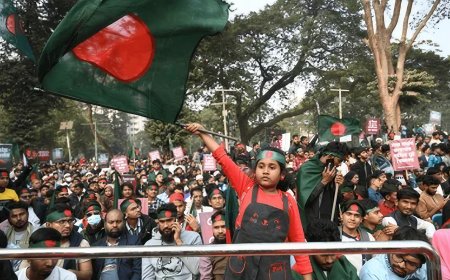
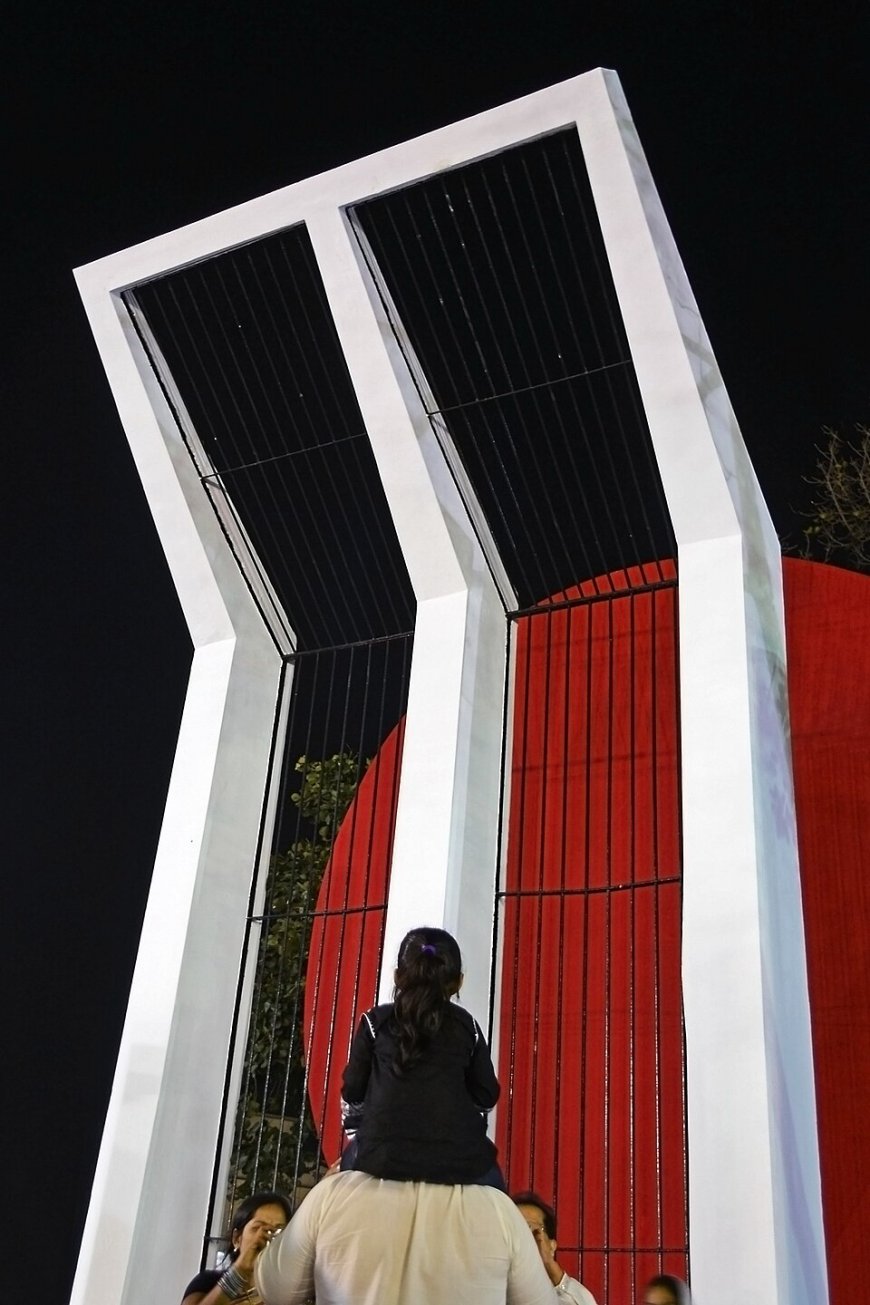
In this scenario, Bangladesh Association Houston commemorated Language Martyrs' Day with a predawn sehri for those fasting during Ramadan, fajr prayer, and early-morning procession to a replica of Shahid Minar. Each attendee received an understanding of how a group of Bengalis stood before the armed Pakistani government in 1952, and demanded that their mother tongue be recognized as an official language.
Regarding this mostly immigrant population, what started out as a handful of Bangladeshis in 1971 has blossomed into approximately 35,000 in the Houston area. This is the fourth-largest city and geopetroleum center of the US, so naturally a good number are engineers. There are also the standard doctors and accountants, but what stands out to me are those who joined the law enforcement and civil service fields. One community leader is even running for local office, and I hope for his success to elevate our collective standing in this land.
Bangladesh Association Houston was founded as a nonprofit by students back in 1978, and has grown by leaps and bounds over the decades. Their signature project would be the Bangladesh American Center, a two-story building on a four-acre plot. The center holds Eid prayers, Bengali new year celebrations, melas, and even games on its expansive field that has a cricket pitch. The site features a two-third size replica of the Shahid Minar. It attempts to bridge the gap between the cultural and religious groups, and this itself is a mark of unity.
The building project was years in the making, with the property purchased in 2001. One of the association officials mentioned that had they wanted to build a mosque, it would have been completed in two years. Groundbreaking took place in late 2011, and it took multiple years to have a standing building. Although the exterior is complete, construction is going in phases, and a fundraising gala is taking place in April. In addition to holding gatherings, the center has provided Bengali classes, as well as workshops in music and art. Ultimately, the $2.5-million center will have an auditorium, senior citizen’s space, multifaith chapel, and library.
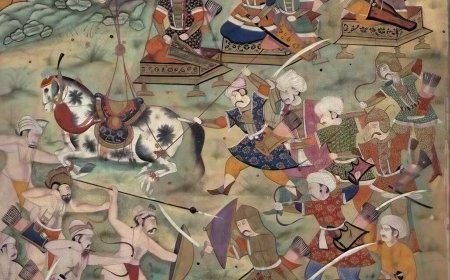
I recall reading an interview of the legendary newspaper editor Enayetullah Khan; he mentioned that we as a society never properly answered the question of whether we are Bengali Muslim or Muslim Bengali. Due to our history, having both identities are seen as a dichotomy by some quarters. It goes back to the Delhi Sultanate of the 1200s, when Muslim foreign rulers conquered the land, and Bengalis were the subjects. One narrative focuses on the increasing Islamization of the nation, progressing in fits and halts, while the other looks at how Bengali nationalism fought against the neo-colonialism of Pakistan, starting with the rejection of Urdu as the only state language.
Even in my own clan, I have seen relatives disown placing wreaths on the Shahid Minar as un-Islamic, versus those who believe that wearing a headscarf or burqa is being culturally backwards. As long as this dichotomy exists, I am grateful to have a place in the US where I can offer my prayers in Arabic and then pay respect to those who died defending the Bengali language, all on the same ground. I appreciate this association merging both our religious and cultural practices, and holding its first sehri gathering since starting in 1978. For everyone honoring International Mother Language Day, this was a victory for the Bangladeshi population in Houston.
Tamim Choudhury is a public affairs specialist for an international volunteering agency within the US government. The views expressed are his own.