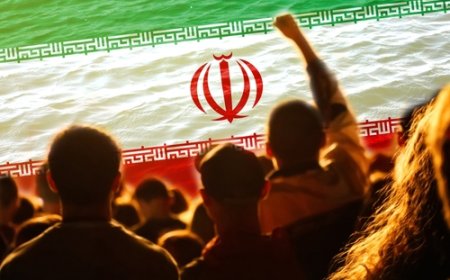
Call the War by its Name
Since 1945, and specifically since colonizing Palestine with Israel and taking the baton of Empire from Britain, the US has been waging imperial domination around the globe, with the safety of claiming the distinction of not being an overt colonial force.

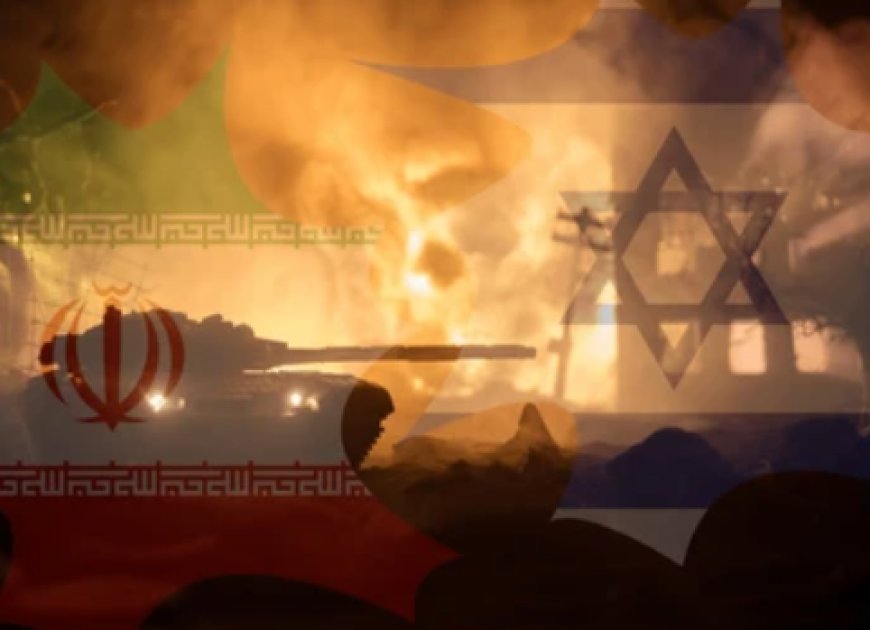
Iran is under attack. Iran is under colonial attack. Iran is under imperial attack.
Iran is under US-Israeli terrorist attack. Iran is under US-Israeli-colonial-imperial-terrorist attack, aided and abetted by Zionist rhetoric and violence. It is Iran that is fighting a war, while the US and Israel, in the name of fighting a war, are reiterating their status as global menaces.
Toni Morrison said: “If there is a book you want to read, but it hasn’t been written yet, then you must write it.” I interpret the directive that I must write it as I must write it the best way that I know how, which is through an anti-colonial and decolonial disruption and dismantling that begins at the level of language.
Anti-colonial resistance to British rule in India, Bangladesh’s war for independence in 1971 and the holocaust of Bengalis by Pakistan’s army regime, the numerous movements in Africa and Latin America against colonial and imperial violence and subjugation, the plight of Palestine since 1948, the Nakba, because of Europe’s crimes, and colonial-Zionist collusion -- if I call this list of events what they are in direct terms and language, then I would be derelict in my assessment by my own standards if I don’t name the current attack on Iran as what it is: Colonial-imperial-Zionist terrorist violence.
A colonial presence suggests an actual physical existence of an outside entity in a space it has invaded. Imperial reach can extend in other forms -- economic, military (in the name of “national security” and “regional interests”), academic, cultural, and political.
Since 1945, and specifically since colonizing Palestine with Israel and taking the baton of Empire from Britain, the US has been waging imperial domination around the globe, with the safety of claiming the distinction of not being an overt colonial force.
“There's never been an American occupation of the Near East. So I would say the difference between British and French Orientalism on the one hand and the American experience of the Orient on the other is that the American one is much more indirect, much more based on abstractions. The second big thing, I think that differs in the American experience from the British and French of Orientalism, is that the American Orientalism is very politicized by the presence of Israel for which America is the main ally.”
This same Orientalism identified here by Edward Said continues to lend its language to the platforms, voices, pundits, and so-called experts (Bernard Lewis, Daniel Pipes, and Samuel Huntington, to name a few, and the New York Times’ very own in-house favorite Thomas Friedman) stumping for the US-Israel nexus and representing their exploits in Iran in the age-old classics of “defending democracy” and “spreading freedom.”
As a reader and a writer, in that order, language is my basis and foundation. Language, I’m always learning and re-learning, is most effective when used with intention and directness.
The beauty of sentences that leave me breathless and wanting to read them aloud will always be important, and instructive, and give me all the more reason to return to how language is the gateway to those pleasures.
I’m living in the US during some of this Empire’s most destructive and criminal aggressions around the world and on the climate. Prevaricating is the last thing I need to do when calling out these (mis)deeds.
A global history of the US Empire from the vantage of its sufferers will require and must rely on language that embodies resistance to colonial, imperial, and Zionist lies and propaganda, directly and unabashedly.
“What a writer is obliged to some point to realize is that he is involved in a language which he has to change,” James Baldwin said in a speech at Berkeley in 1979.
For me that change is anti-colonial and decolonial. The US and Israel have launched a terrorist attack on Iran. Iran is fighting back.
Nadeem Zaman is a novelist and a short story writer.