
















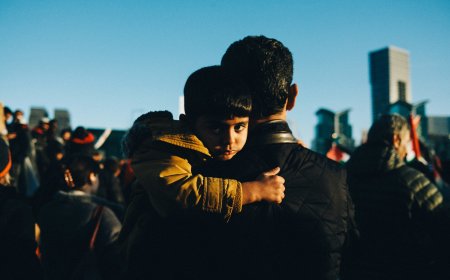







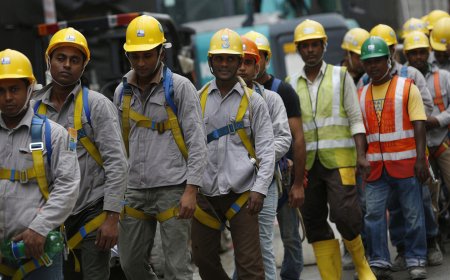




































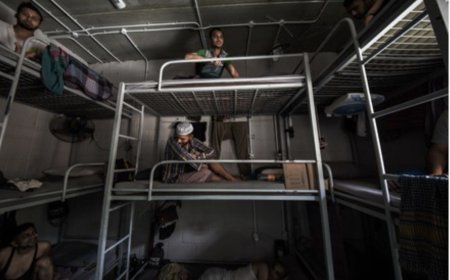
When you stand up for your citizens you earn respect. It doesn’t close doors, it opens them. If we don’t have respect for ourselves and our own people, how can we expect the rest of the world to?

Abuse of Bangladeshi workers across the Middle East is widely reported, yet we have rarely seen real backbone from the ministry or our Gulf missions.
If Pakistan, which today has a per capita GDP one-third less than Bangladesh, can deliver competent and effective government services, there is no reason we cannot too.

We cannot build a healthier political culture while treating humiliation as entertainment whenever it happens to someone we dislike. Disagreement is part of public life; cruelty does not have to be.

While his record suggests he wouldn’t make the current team, his attitude suggests he’d be the first one picked. For cricket isn’t always just about statistics, and sometimes it is about who can move and inspire, and who can give it their all.

The state has a responsibility to protect victims and punish offenders. It has an equally important responsibility to protect people from arbitrary or prolonged detention.

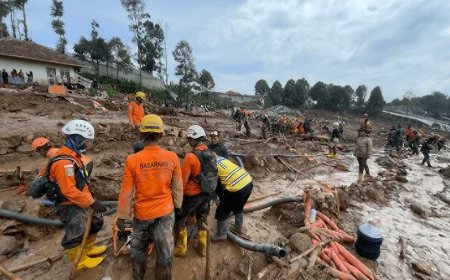
No one could have predicted this disaster would happen when it did, but we all knew it would happen one day.

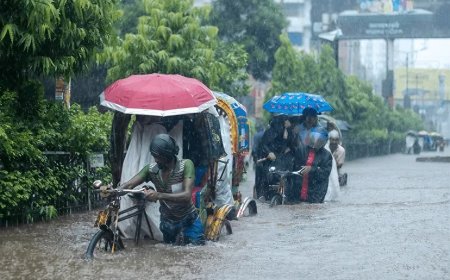
The water cycle is the planet's great equalizer. We have forgotten this. The flood is a brutal reminder.

The government deserves credit for recognizing that women’s mobility is inseparable from women’s participation in work, education, and public life. But the measure will succeed only if it is accompanied by a broader change in how we think about public space.
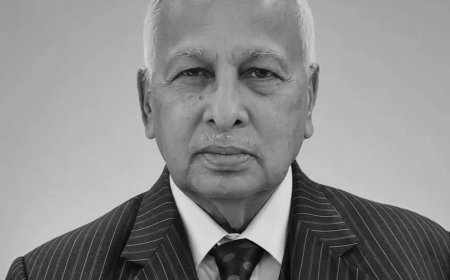
He understood that the success of North South University would serve as a practical demonstration that the newly enacted legislation would help develop Bangladesh. After all, he had been instrumental in helping create the legal framework that made the institution possible.

The presumption of innocence, one of the oldest principles of modern jurisprudence, loses all practical meaning if an acquittal arrives only after years spent inside a prison cell.
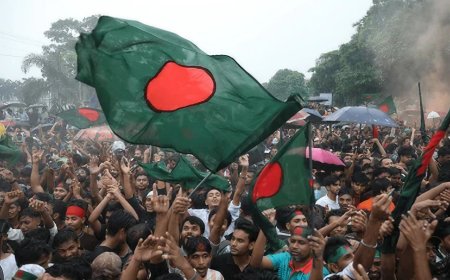
The first anniversary of a revolution can be about celebrating what was achieved. The second year should be about measuring what has changed.

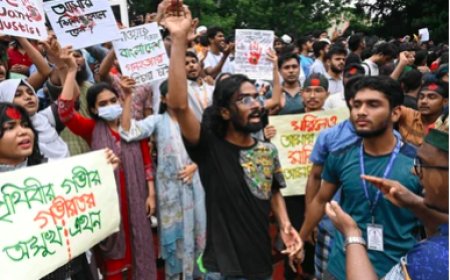
The lesson from Bangladesh, Nepal, and now India is not that students have become unusually rebellious. It is that the region's political class has become unusually incapable of seeing them.
While we may briefly celebrate that the onslaught of criticism finally led to an apology and considerations for exam retakes, the government's quick patch-ups, for now, are, simply put, temporary band-aids.

By the time you read this, Morocco may already have had their rematch, and Norway may have taken England's measure. But something has shifted this June and July that no scoreline can shift back. The giants now walk onto the pitch uncertain.

Those of us who want to eradicate poverty from our societies should redouble our support for these organizations as they work to change the conditions under which the poor live and suffer. This would allow the poor to unshackle the chains of poverty and build fuller lives for themselves and their progeny.