
























































Nepal Election: Youth Learn a Lesson of a General Nature
This isn’t just a normal switch in power. It’s a clear rejection of two parties that spent decades swapping control, making deals, and getting caught up in scandals while the country struggled.
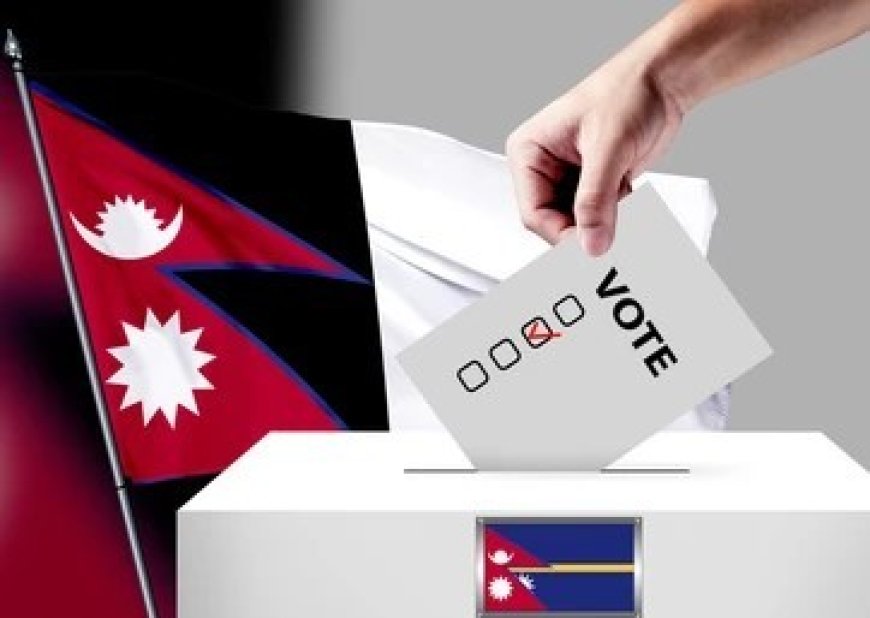
Nepal’s election results feel like a real wake-up call. Voters have basically said “enough” to the same old politicians and parties that have been running things for years.
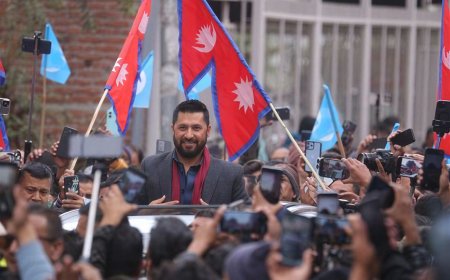
As vote counting goes on, Balendra Shah’s Rastriya Swatantra Party (RSP) is way out in front. The latest updates show RSP has already won dozens of seats -- some reports say around 40 to 50 -- and is leading in many more, out of the 165 directly elected seats in parliament.
That’s putting them on track for a strong majority or close to it. The old main parties, Nepali Congress and CPN-UML, are far behind, with just a handful of wins or leads each.
This isn’t just a normal switch in power. It’s a clear rejection of two parties that spent decades swapping control, making deals, and getting caught up in scandals while the country struggled.
The Nepali Congress made a big mistake by joining a coalition government with KP Sharma Oli’s UML not because they agreed on big ideas, but just to grab some minister jobs and stay relevant.
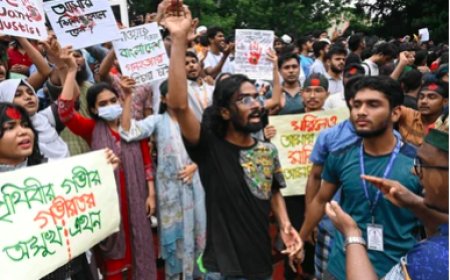
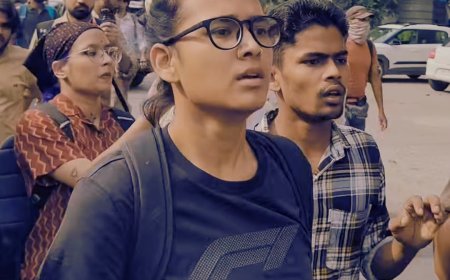
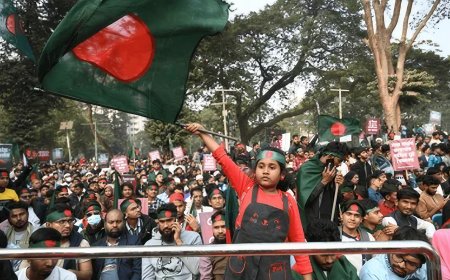
That meant they ended up sharing the blame for everything that went wrong -- including the heavy-handed response to the big youth protests in September 2025, when security forces killed protesters in Kathmandu.
Voters, especially younger ones, sent a blunt message: You can’t keep the government honest if you’re part of it. When people got angry, they didn’t pick sides -- they blamed everyone in the old system.
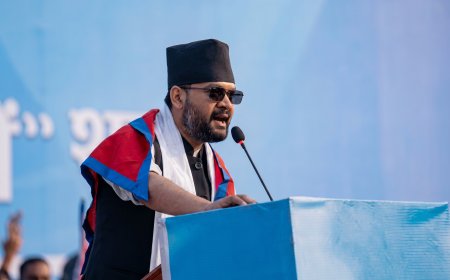
What Balen Shah and his young party brought wasn’t a perfect set of policies. It was a fresh attitude. Shah, a 35-year-old former rapper who quit being Kathmandu mayor to run against the big names, felt real to people.
His party, only about four years old, managed to put up candidates almost everywhere -- a huge effort -- and voters liked that boldness.
Young people had watched the older parties trade favors and ignore real problems for years. When the protests happened and lives were lost, the silence or excuses from Nepali Congress and UML just proved the kids’ point: These parties don’t get us anymore.
Young voters aren’t just another group to win over with promises. They’re judging the whole system. Parties that brush off the younger generation or treat them like a photo-op will get left behind.
The ones that make it will bring in young people for real -- letting them run for office, shape plans, and lead.There’s a catch, though. Even with RSP doing so well, parliament might still end up messy -- no one party has a guaranteed easy majority without deals.
It’s ironic: Just a couple months ago, Nepali Congress and UML teamed up to win the upper house. But for this big election, they fought each other again, splitting the vote and making it easier for the newcomer to win big.
When opposition groups waste energy on their own fights instead of working together, they hand the advantage to whoever’s in charge -- or to someone new who ignores the old rules.
The real takeaway from Nepal is simple but tough. Being in opposition isn’t just waiting for your turn. It’s about standing separate, calling out what’s wrong, and offering something better.
When parties forget that and act like the people they’re supposed to watch, they don’t just lose votes -- they lose their purpose. People notice, and they look for anyone who still seems honest, even if it’s a long shot.
Turnout was decent, around 60%. People showed up because they thought their vote could change things. What disappointed them wasn’t democracy -- it was the parties that were supposed to make it work.
One election can change who’s in charge. Fixing how opposition parties actually behave takes longer, steady effort: Figuring out what you really stand for, learning to team up without losing yourself, training young leaders properly, and getting ready to govern well once you’re there.
Nepal’s at a turning point. The old parties have a short time to rethink what they’re about before the next round. The new ones have to turn all this anger and hope into actual good government.
Either way, when opposition stops being truly different, it’s not just the parties that lose. It’s people’s belief that politics can still do something worthwhile.
Owen Lippert (PhD Notre Dame) has worked in Bangladesh on and off since 2003, as a Chief of Party for NDI and Democracy International, a consultant for DFID and UNDP, and the private sector. In his native Canada, he advised Stephen Harper when in Opposition and as Prime Minister on democracy promotion. He currently heads an NGO, Opposition International.