



























![A Ledger of the Soul: Navigating the Allah-Bhagavant Nexus in a 19th-Century Puruṣākāra Jñāna Caupara [Gyan Chauper]](https://counterpointbd.com/uploads/images/202608/image_430x256_6a93baa3b09a7.jpg)



















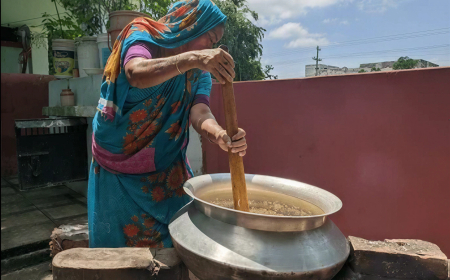
The language of our food carries a social order within it. That is what we name, what we price, what we celebrate, and what we quietly demand of women versus men at the dinner table is not neutral tradition. It is instruction, delivered warm in a serving bowl, generation after generation.
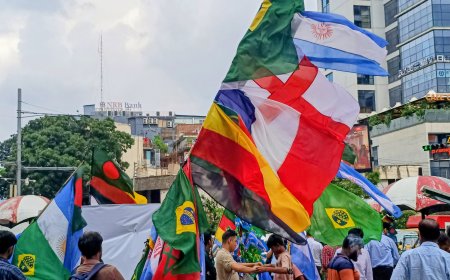
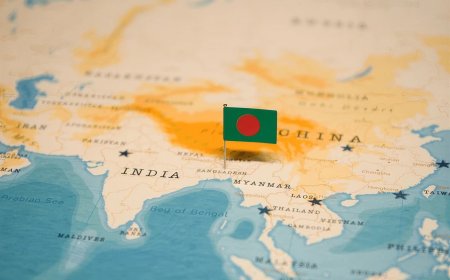
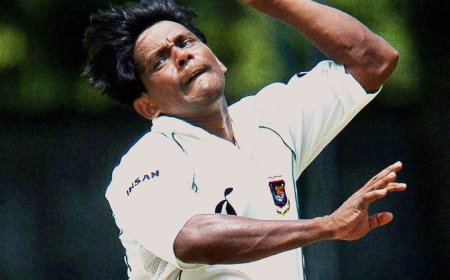
The distance between Bangladesh and the World Cup cannot be measured in kilometres. It is measured in institutions, accountability, planning, and political will. Perhaps one day, when the World Cup comes around again, one flag on that bamboo pole will sell just a little more than the rest.

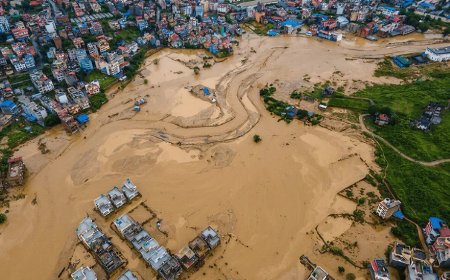
As Nepal’s story unfolds with such urgency, its triumphs and stumbles equally on display, what does Bangladesh’s narrative look like?

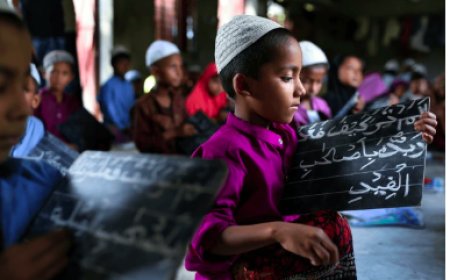
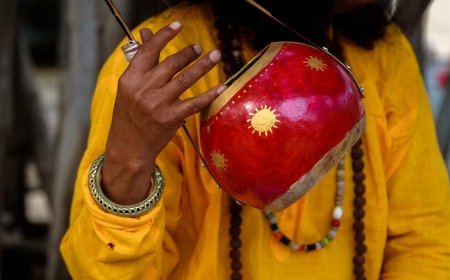
What appears as playful nonsense often functions as mnemonic residue, compressed narratives of invasion, hunger, gendered sorrow, ecological uncertainty, and communal endurance.
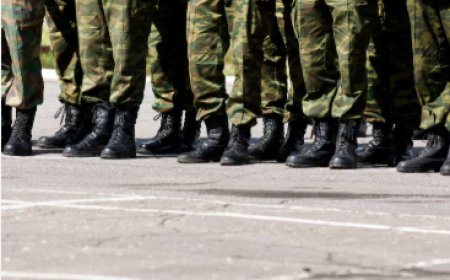
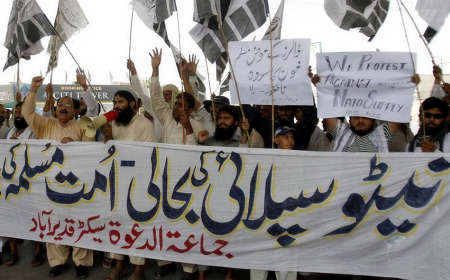
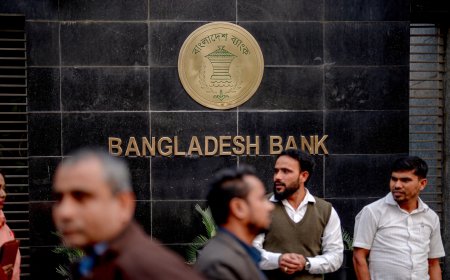
Coups are not accidents. They are outcomes of institutional design shaped by fear, mistrust, and the imperative of survival. Bangladesh’s history, from 1975’s cascading coups to 2007’s indirect intervention, shows how the struggle to control the guardians of the state can redefine politics itself.

The central question is no longer whether knowledge matters. It is who governs its movement, who benefits from its creation, and whether emerging economies will remain sites of extraction in a global knowledge marketplace or become sovereign producers within it.
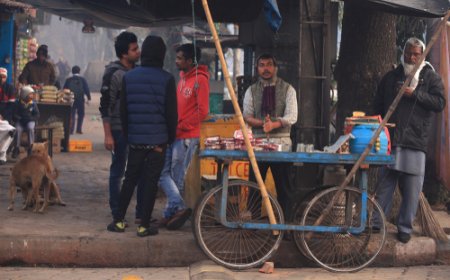
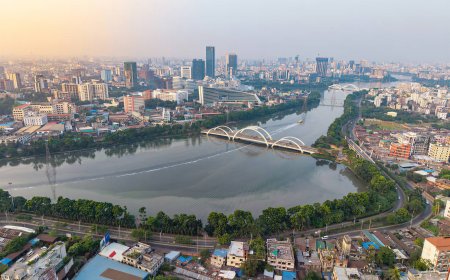
Bangladesh has debated itself intensely this season . Now the debate shifts from imagination to implementation. Dhaka is not beyond saving. But it will not be saved by manifestos alone.

When a society burns its own newspapers, attacks its artists, and restricts freedom of thought, that fire does not stop there. It spreads to courts, classrooms, and homes. When a city burns, its temples do not survive. Our temples, culture and freedom of expression, are no longer matters of personal preference. They are matters of collective survival.
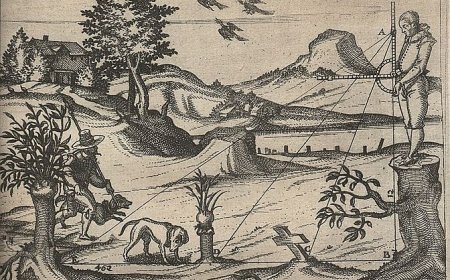
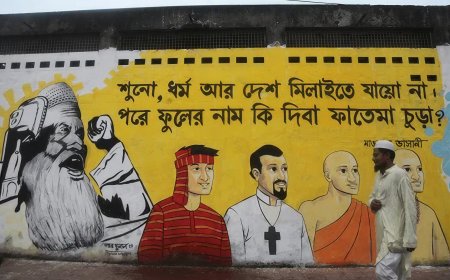
The Bengali nation is one of the largest in the world, a people of immense resilience and rich culture. Our greatness is not diminished by lifting up our smallest communities; it is defined by it. To stand with the Kol people today is to affirm the sentiment captured on a wall during the recent peoples uprising: "This country doesnt belong to any one group. It belongs to all of us".