






















































An Open Letter to Tarique Rahman
Your service to the nation can only continue if your well-being is safeguarded. Ultimately, the responsibility also rests with the state’s security apparatus, particularly those entrusted with your protection. When credible threats are perceived, it becomes their duty to act decisively.

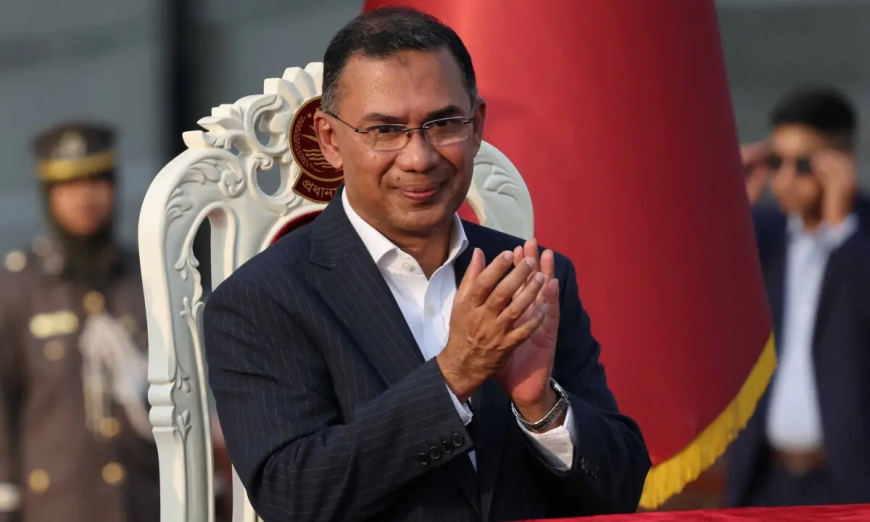
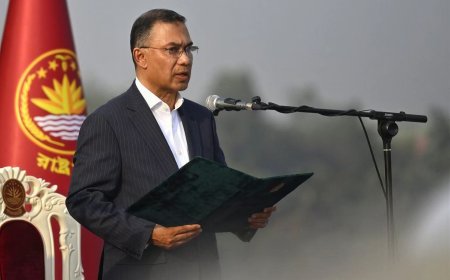
Dear Hon’ble Prime Minister Tarique Rahman:
Assalamu Alaikum.
Since your return to Dhaka on December 25, 2025, you have remained remarkably dynamic and engaged. Your words, actions, interactions with the public and the media, as well as your articulation of a forward-looking national vision, have, within a very short span of time, created a strong and reassuring impression among the people.
More importantly, they have significantly elevated public expectations, hope, and aspirations.
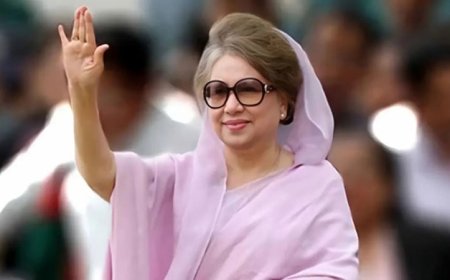
The untimely demise of your revered mother, Begum Khaleda Zia, so soon after your return, cast a profound shadow of grief across the nation.
The outpouring of sorrow -- reflected in the presence of millions who gathered to pay their respects -- was a testament not only to her enduring political legacy but also to the deep emotional bond she shared with the people. Many perceive her passing, following years of persecution and hardship, as a tragic culmination of a painful chapter in our political history.
This, in turn, further consolidated public sympathy and support for your leadership, as reflected in your resounding electoral victory, securing well over two-thirds of the parliamentary seats. The mandate you have received is both historic and humbling. It is now time to honour that trust by delivering on your promises. Encouragingly, your initial steps indicate a positive and purposeful direction.
However, at this critical juncture, I feel compelled -- at the risk of sounding blunt -- to express a serious concern. Certain actions on your part appear to compromise your personal security. This is not a matter to be taken lightly. There remain elements, both visible and unseen, who may seek to exploit any vulnerability.
You are undoubtedly aware of who stands to benefit from any untoward incident. Should such a tragedy occur, it would not only negate the sacrifices of the July martyrs but could also plunge the nation into profound uncertainty.
There is an old adage: “The target needs many opportunities to escape, whereas the assassin needs only one.”
Your decision to occasionally drive yourself, though perhaps intended to project humility and accessibility, inadvertently exposes you to unnecessary risk. This is not an act of courage -- it is a matter of responsibility. You are no longer a private individual; you embody the hopes and future of 170 million citizens. They expect you not only to lead, but to endure.
The risk to life often walks in lockstep with popular leadership. World history is replete with tragic accounts of political assassinations -- from John F. Kennedy to figures within our own region: Mahatma Gandhi; Indira Gandhi and her son Rajiv Gandhi in India; S. W. R. D. Bandaranaike and his daughter Chandrika Kumaratunga, who narrowly survived an assassination attempt in Sri Lanka; Liaquat Ali Khan, Zulfikar Ali Bhutto, and his daughter Benazir Bhutto in Pakistan; the tragic royal massacre in Nepal; and, in our own Bangladesh, Bongobondhu Sheikh Mujibur Rahman and Shaheed President Ziaur Rahman.
These examples, among many others, serve as stark reminders that the security of national leaders is a matter of utmost seriousness and must never be taken lightly. There are also practical considerations. Driving yourself demands complete attention, depriving you of valuable time that could otherwise be devoted to reviewing critical state matters. Adhering strictly to regular traffic conditions further reduces efficiency. Modern, calibrated systems exist worldwide to ensure both public convenience and the secure, time-efficient movement of national leaders.
Allow me to recall two instructive examples from your esteemed father, President Ziaur Rahman. Despite his long working hours, he continued to review official files even while commuting, maximizing every available moment.
On one occasion, during a visit to the White House, Jimmy Carter reportedly asked him: “Mr. President, I am told you work 18 hours a day?” To which President Zia replied, “Mr. President, I only wish there were 36 hours in a day.” The lesson is self-evident: Time is of the essence in leadership.
I would also respectfully urge Zubaida Rahman and Zaima Rahman to exercise their influence in encouraging you to prioritize your safety. Your service to the nation can only continue if your well-being is safeguarded. Ultimately, the responsibility also rests with the state’s security apparatus, particularly those entrusted with your protection. When credible threats are perceived, it becomes their duty to act decisively -- even if that means overriding personal preferences.
History has repeatedly shown us that leadership must be protected not only from external adversaries but also from avoidable risks within.
May Allah SWT be always with you.
Yours sincerely,
Ashraf Ud Doula
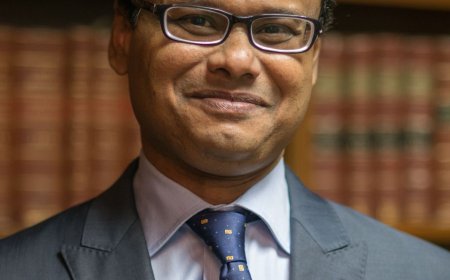
Ashraf Ud Doula is a freedom fighter, a retired Major, a former Secretary to the Government, and a former Ambassador of Bangladesh.