


























































The government should call the situation what it is: An economic emergency. That calls for urgency, transparency about the losses in the banking system, and a public discourse around austerity.
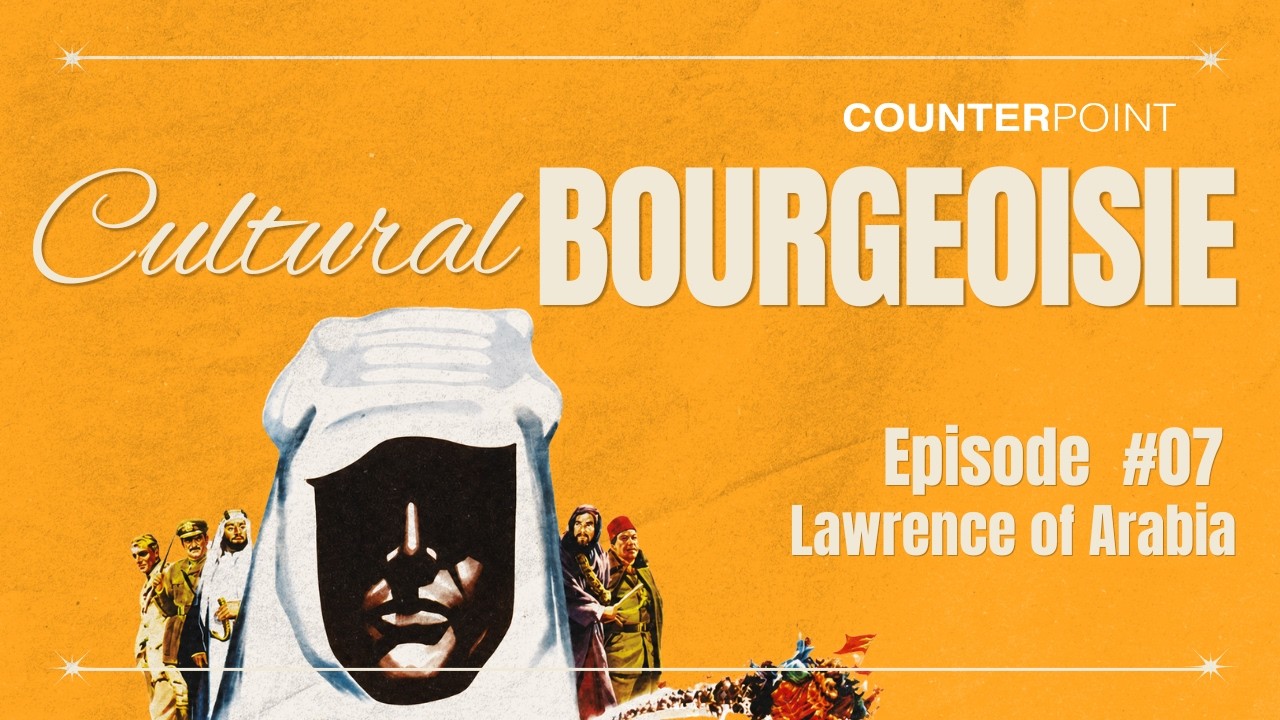
In Episode 07 of Cultural Bourgeoisie, hosts Jyoti Rahman and Ehteshamul Haque unpack the epic legacy of T.E. Lawrence and David Lean’s cinematic masterpiece, Lawrence of Arabia. The discussion delves into the intersection of historical reality, imperial politics, and cinematic storytelling examining the tactical brilliance, human complexity, and enduring cultural impact of the Arab Revolt on screen.

As economic conditions evolve, is the central bank prepared to allow the taka to depreciate, or indeed appreciate should it come to that, over time? The MPS should ideally spell these out in an analytical manner.

In Episode 10 of The J&J Fireside, Jyoti Rahman and Rubaiyat Sarwar discuss the changing future of development in Bangladesh as traditional aid models decline. The conversation explores the shift toward loans, aid-for-trade, climate finance, and locally owned solutions—and what Bangladesh needs to do to prepare for a new era of development.

In Episode 06 of Cultural Bourgeoisie, Jyoti Rahman and Ehteshamul Haque examine the cinematic portrayals of Gandhi, Jinnah, and Sheikh Mujibur Rahman. Through these biopics, they revisit the choices surrounding the Partition of 1947 and explore how cinema shapes our understanding of history and political legacies.

The government deserves credit for pushing out its electoral promises at the soonest, without being bogged down by the bureaucratic miasma. It deserves credit for providing a long-term aspirational strategy. However, the government must now pivot to confront the crisis of confidence that is imminent.
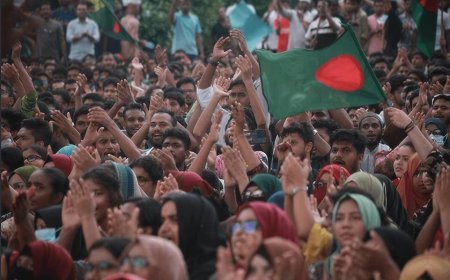
The lesson from this survey is a simple one. The government should spend this window of reserved judgment governing, and communicating clearly to the public that it is doing so. The public has made its patience conditional on visible actions, reserving judgment on results. It will not last indefinitely, and it should not be mistaken for endorsement.
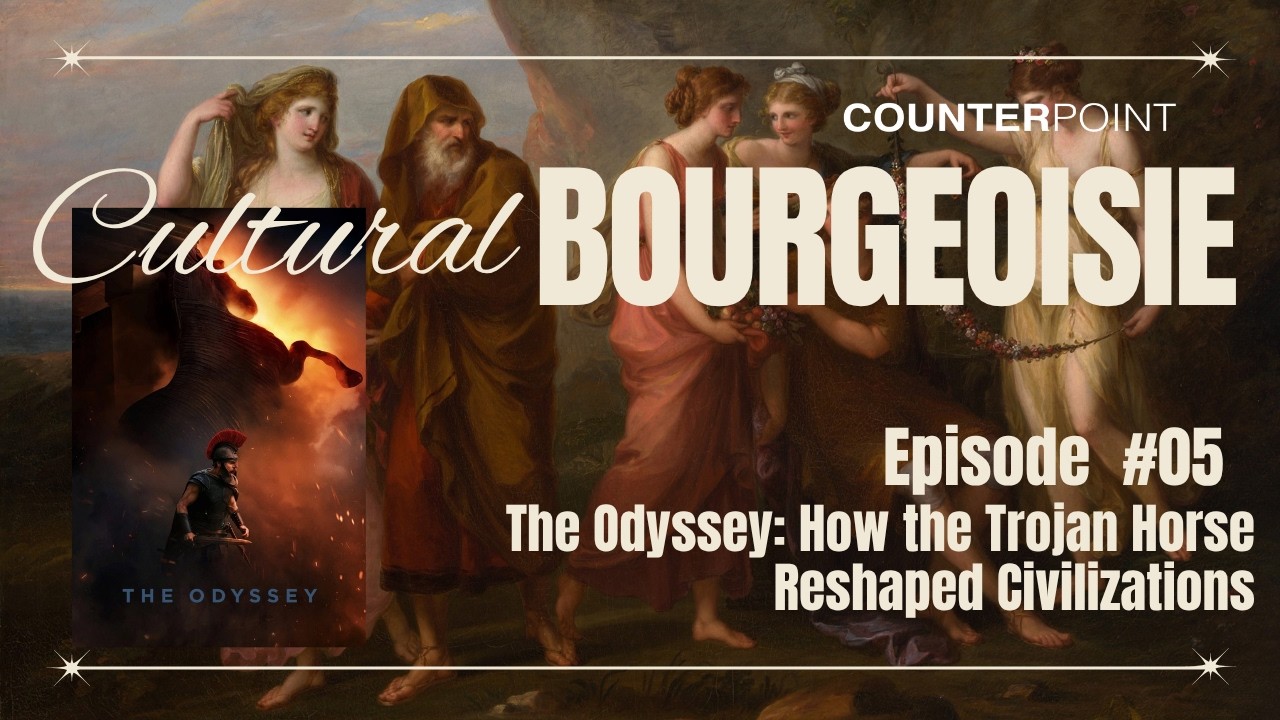
In Episode 05 of Cultural Bourgeoisie, Jyoti Rahman and Ehteshamul Haque explore The Odyssey, Christopher Nolan’s approach to bringing the ancient epic to the screen, and the lasting cultural influence of the Trojan Horse. The discussion also travels through Nolan’s recent films and some of history’s greatest novels and stories.

The Monetary Policy Statement was announced in the last week of June, and was almost immediately hemmed in by the circular announcing the spread cap -- a sequencing that signals incoherence. And that incoherence matters more than the actual policy. Macroeconomic policy cannot be effective in supporting growth or curbing inflation unless it is credible.

In this episode of Cultural Bourgeoisie, Jyoti Rahman and Ehteshamul Haque share their final thoughts and predictions ahead of the FIFA World Cup 2026. The discussion covers tournament favourites, standout players, tactical battles, and the biggest questions before the competition reaches its conclusion.
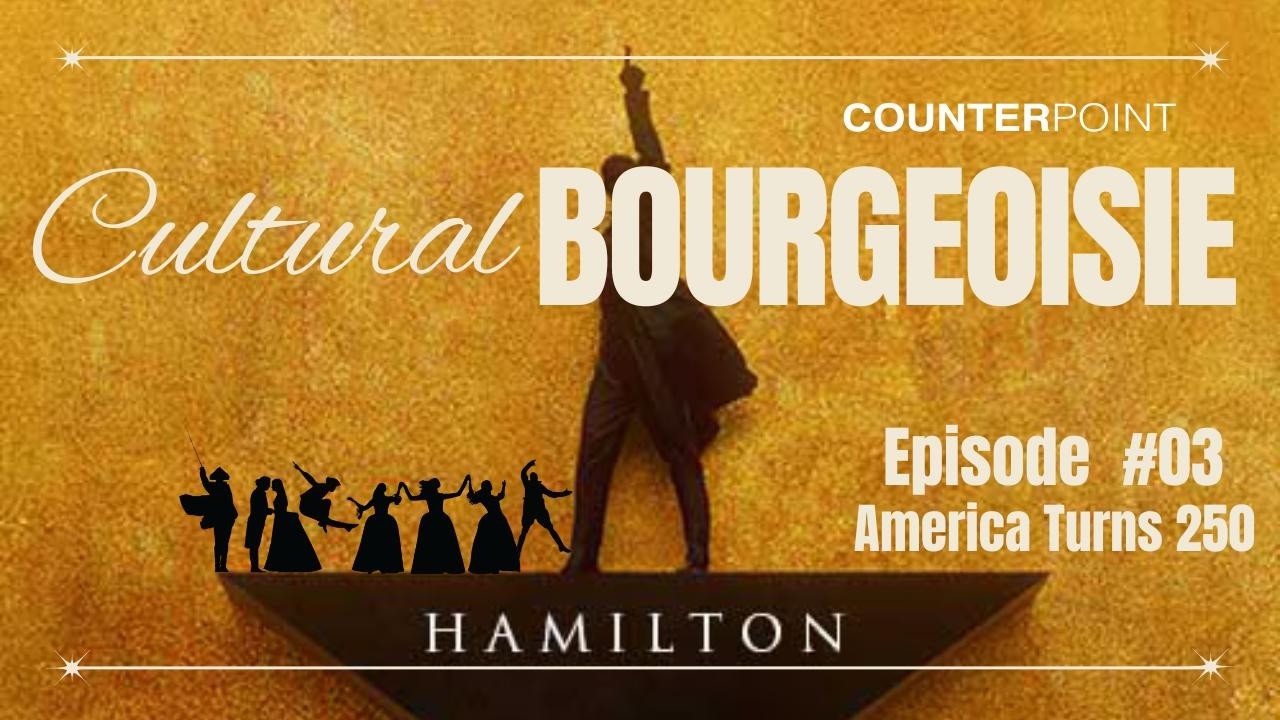
In Episode 3 of Cultural Bourgeoisie, Jyoti Rahman and Ehteshamul Haque discuss the life and legacy of Alexander Hamilton as the United States marks its 250th anniversary. The episode explores the founding ideals of the American republic and their lasting influence on politics, governance, and economic development.

Explore the intersection of global football and economics in this episode of the J&J Fireside. Host Rubaiyat Sarwar and Jyoti Rahman dive deep into the staggering numbers behind the current World Cup and what it means for host nations and developing economies like Bangladesh.
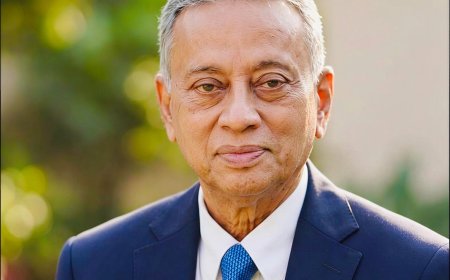
What good economic policies actually look like -- and how to tell when they are missing
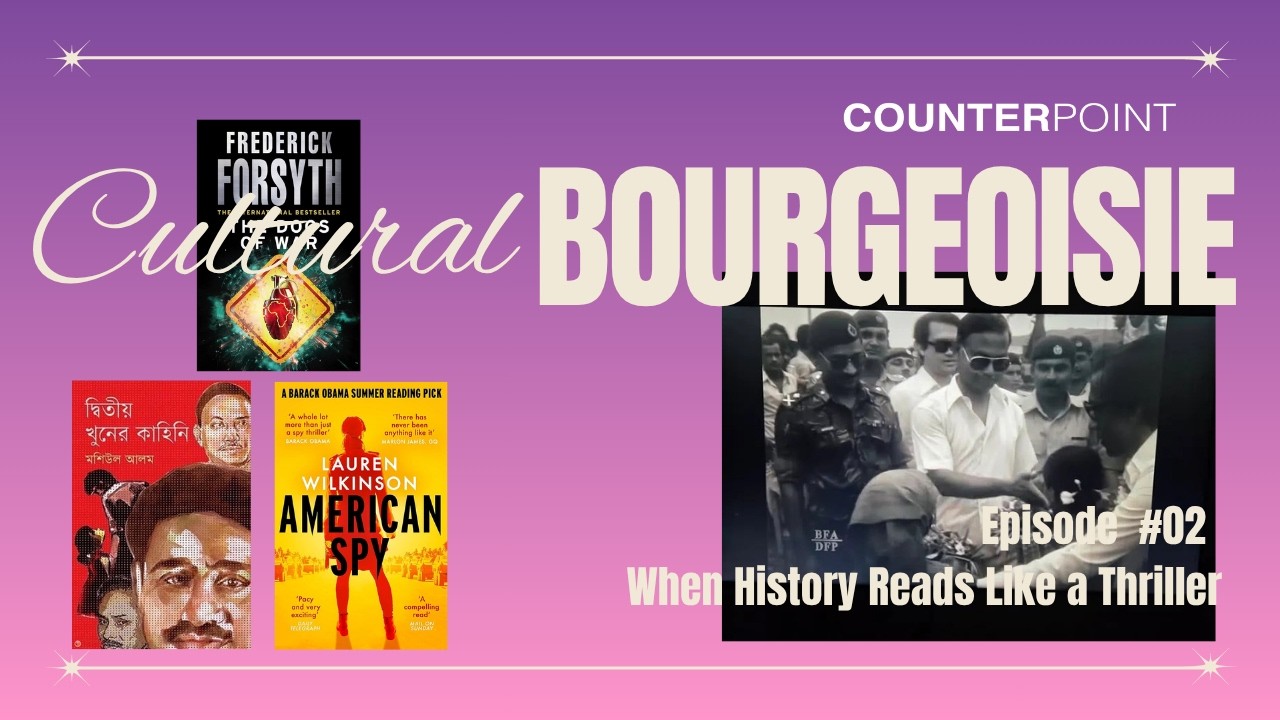
In Episode 2 of Cultural Bourgeoisie, Jyoti Rahman and Ehteshamul Haque explore how political thrillers can illuminate real historical events. From African coups and revolutionary leaders to Bangladesh's own turbulent political history, the conversation examines the intersection of fiction, memory, and scholarship—and why understanding the complexities of the past remains essential today
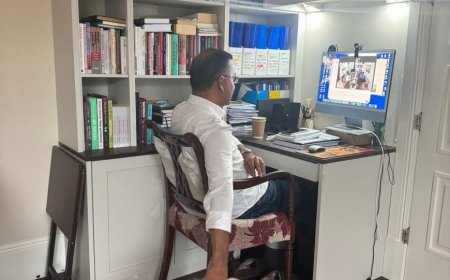
In one simple way, Tarique Rahman stands to be more successful than either of his parents. Neither of them could successfully, peacefully, finish their term and hand over power to the next government. Ziaur Rahman was gunned down by rogue officers. Khaleda Zia faced an implacable foe who made good on her promise of not allowing the former prime minister a moment of peace.
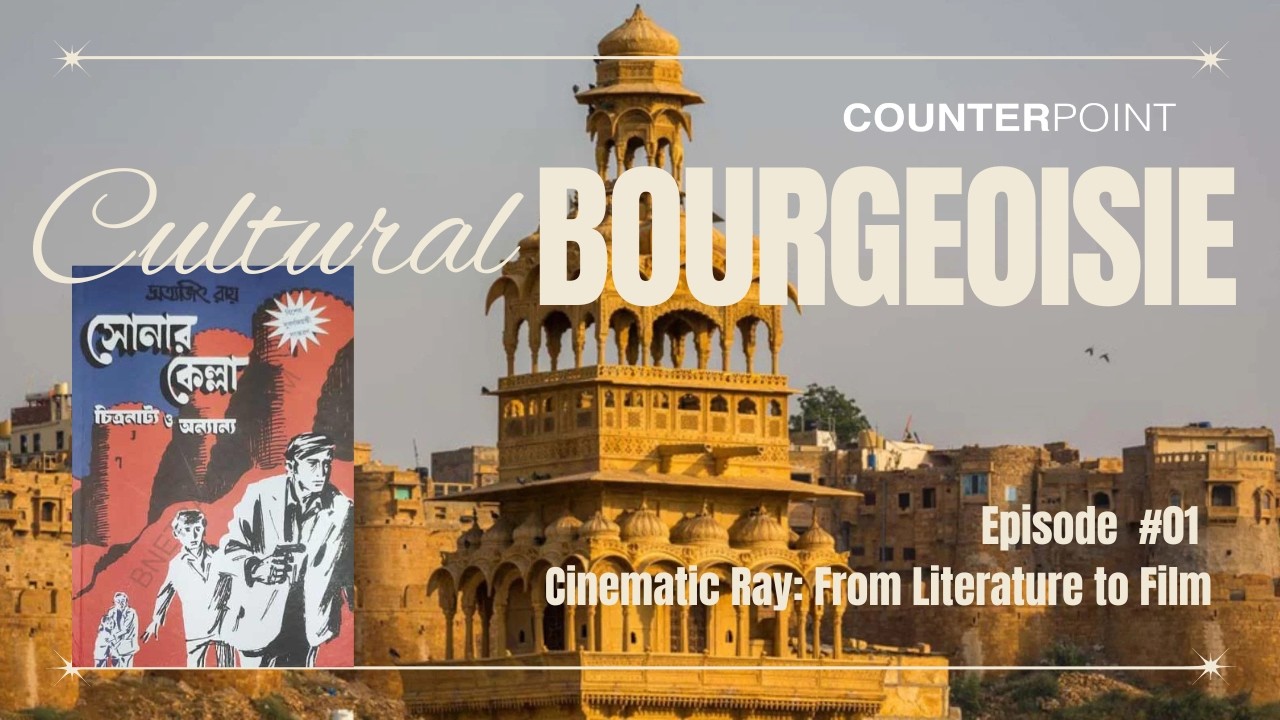
In this new Counterpoint Podcast, Jyoti Rahman and Ehteshamul Haque discuss and dissect popular culture from home and abroad, contemporary and from times of yore. The first episode explores the capers of the great Bengali sleuth Feluda (and his posse) in the desserts of Rajasthan in the book and movie Shonar Kella. The episode also covers broader works of Satyajit Ray.