


















































What Bangladesh needs now is nothing less than a new social contract between the state and its citizens.
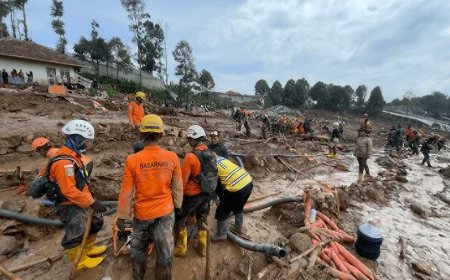
Natural disaster and relief distribution have become almost inseparable in Bangladesh.
The willingness to impose consequences within the ruling party is a welcome signal. Its lasting significance will depend on whether accountability becomes sufficiently routine that citizens no longer have to wait for intervention from the top.
The broker may sell one person a route through the border. What is quietly sold away is a genuine refugee’s credibility and a legitimate student’s opportunity.

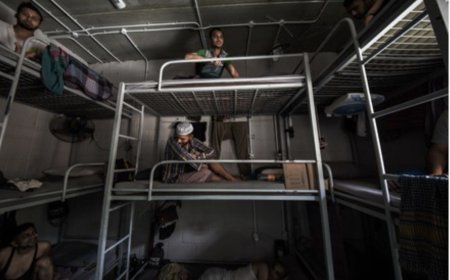
Nazrul Islam was 22. Sweety Akhtar was a young woman who just wanted to survive. They were alive on September 30. And the system, from Riyadh to Dhaka to Washington, chose to let them die.
The US is out of options with bombs and blockades. A blockade is partial. The bombs have been shown not to work. We see diminishing rate of sorties all the time, now a tiny fraction of the sortie rate that the US is usually accustomed to.

The country doesn’t need to own its AI stack; the economics rule that out. It needs people who can keep it running on its own terms. Sovereignty is not what you own. It is what still works when someone else changes their mind.

Bangladesh’s new digital ID can make government easier to reach. It must not make citizens easier to watch.
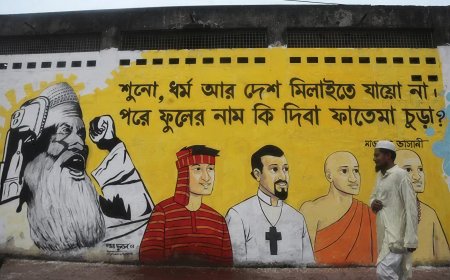
In Bangladesh, there is probably no major road where you cannot buy and eat beef from some shop or the other. You can eat it every day for your entire life if you have the money. No one is stopping you. There is no fear.
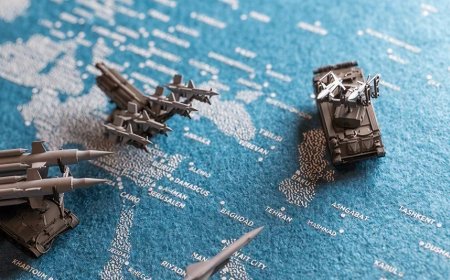
Bangladesh’s reserves have already come under pressure from import costs and exchange-rate changes; indiscriminate assistance could speed up reserve losses and fuel inflation. Trade, revenue and port agencies should speed up customs procedures and eliminate unnecessary logistics expenses.
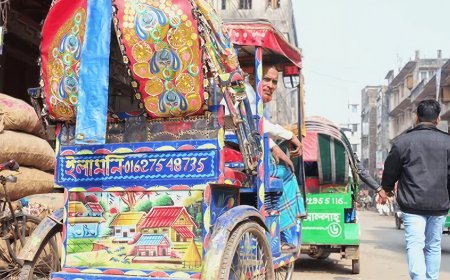
Citizens are told that auto-rickshaws cannot be banned because millions depend on them for a living. That argument is sound for the drivers, who are among the poorest workers in the city. It is not an argument for shielding the people who profit from an unregulated supply chain.

Singer first wrote about Bangladesh as a crisis. The idea he brings back has been working here for nearly 50 years. The question is whether more of our businesses will try it.

Bangladesh must cultivate a digital culture rooted in empathy. Digital spaces should encourage respectful dialogue, creativity, and community-building.

A marriage certificate does not make a wife a compulsory lender. A husband’s need can explain why he asks for help; it cannot supply her consent.
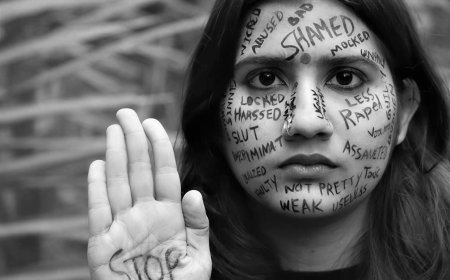
Sometimes there is a locked gate. Sometimes there is family honour, the marriage market, or the comforting language of protection. And sometimes it may appear at an immigration counter as an apparently ordinary question: Are you married?

A nation that had waited 50 years for its first nuclear power plant was, at last, watching it breathe. Five months later, in a New York conference room, a very different signature was being applied.