



































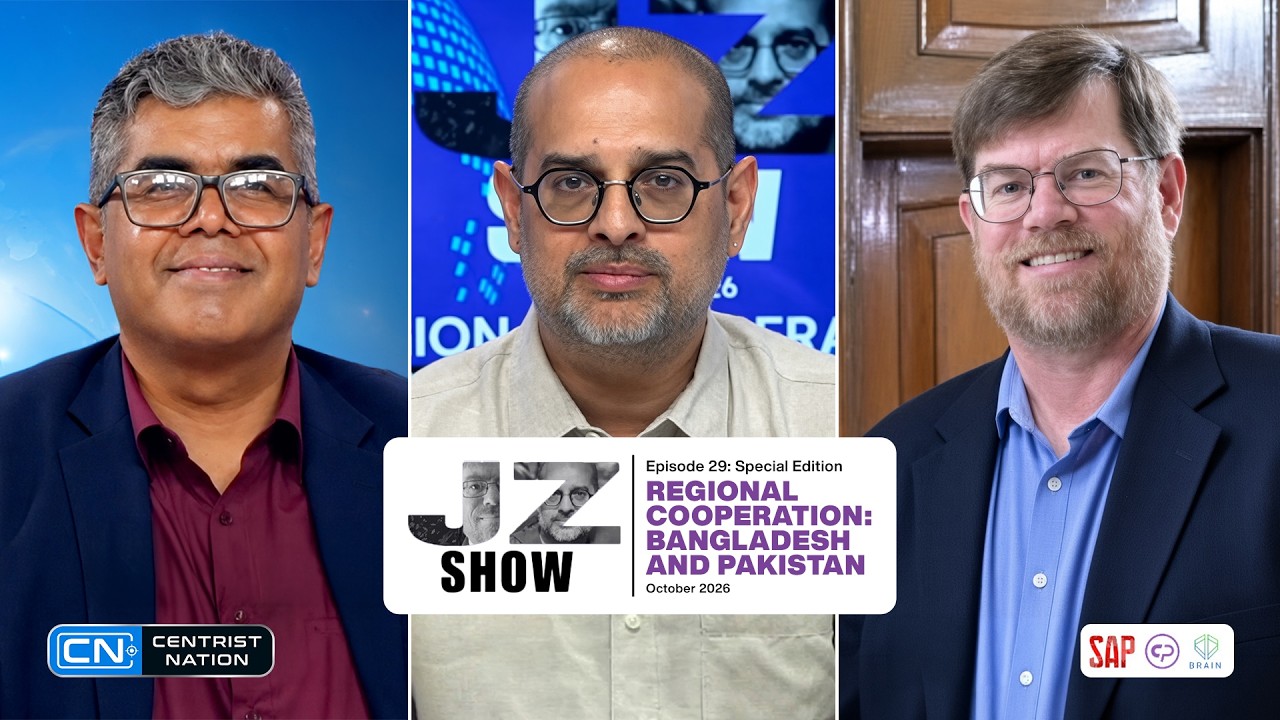





















Azeema Anhar is an English Language Instructor at ULAB and editorial assistant at Counterpoint.
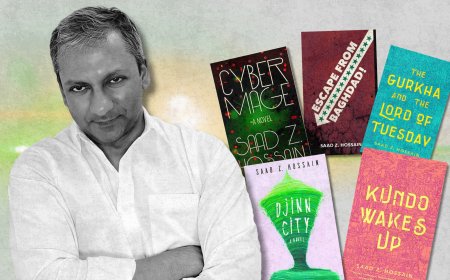
We have to look at how ideas are combined and developed in the sub continent, and find our own heritage that we can be proud of. We cannot erase thousands of years of mythology indigenous to our region simply because we have a thin patina of Arab faith.
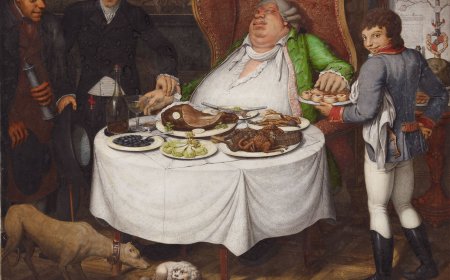
Beneath its extraordinary descriptions of food lies a rather bitter account of bourgeois complacency, where having enough is treated as a virtue and wanting something different becomes a threat.

Women are not a homogeneous group. A woman’s socioeconomic circumstances, political background, sexuality, and many other aspects of her identity shape the particular set of struggles she encounters.
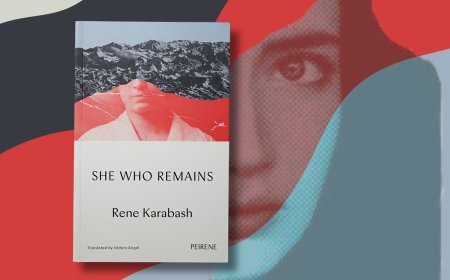
The irony is brutal. The same patriarchal system that renders her life intolerable also provides the only sanctioned route out of it.
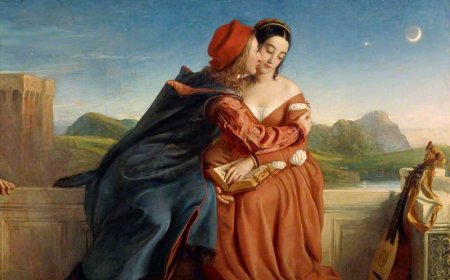
In the hands of Flaubert, Lawrence or Duras, lust becomes a way of exposing the small humiliations, private fantasies and enormous vanities that people spend their lives concealing.

The Gothic leaves us with that uncomfortable space between sympathy and fear. Its women linger there, neither innocent nor monstrous, but painfully human.
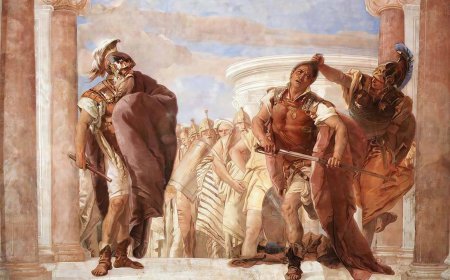
Wrath can be inherited, provoked by confinement, born from obsession, hidden beneath good manners or turned against oneself.
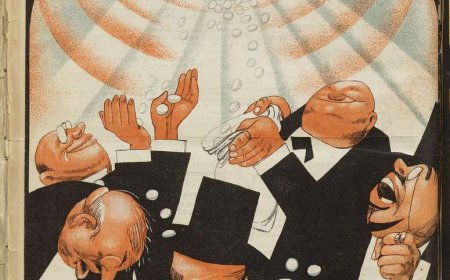
Greed does not emerge within humans as a loud antagonist. More often, it begins with a small justification, a quiet compromise, or the belief that one deserves just a little more than everyone else.
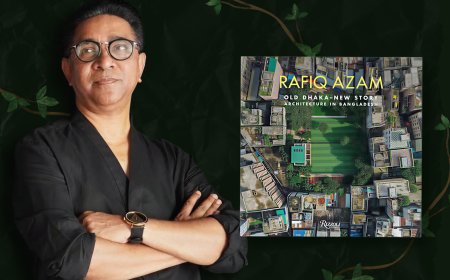
When the monsoon comes and two thirds of the land submerges, that is not devastation alone. The water withdraws and leaves behind a fine sediment of silt, and the landscape turns into vast patches of fertility, and then the wind comes and moves across it.

The love is here. The love has always been here. What the love has lacked is doors, and the Legacy Match is one door, opened in front of an audience full of people who have the power to open more.
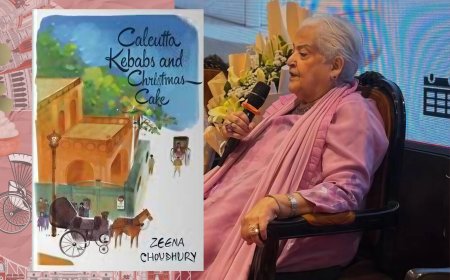
The Calcutta of this book was plural in the way that daily life is plural, messily, in the way that a grandmother bakes a Christmas cake for her Muslim neighbour's grandchildren because they are downstairs and they love cake.
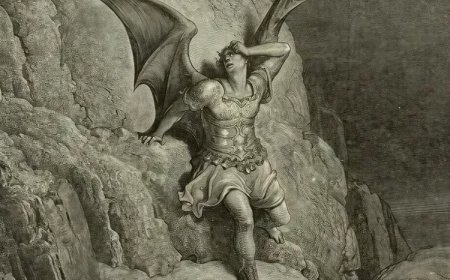
Satan is the most psychologically precise portrait of pride in all of literature, and he is rendered in the most beautiful blank verse in the English language.

He reads the protagonist’s journey, from the subcontinent across the sea to Canada, as a search for wholeness through displacement, danger, and reinvention.
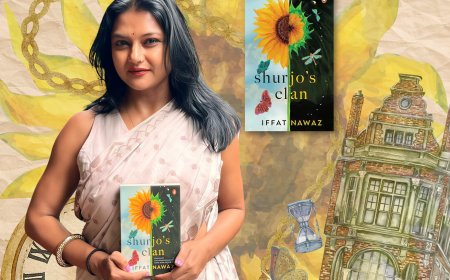
At its core, Nawaz is asking something very simple and very devastating: What do we owe the dead, and how much of ourselves must we sacrifice to pay that debt?
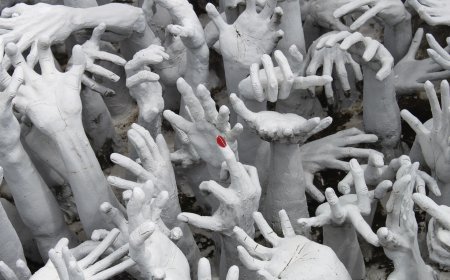
We’re tired of being told to wait. We’re tired of being told to be reasonable. We’re tired of being told to consider the reputations of men, the stability of institutions, the sensitivities of cultures. We’re tired of the same headlines feeling like déjà vu.
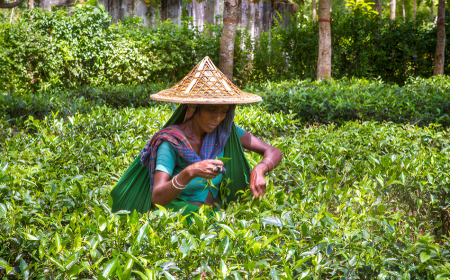
Tea workers exist and spend their entire lives on lands that they do not and will not own, unable to build assets or escape the plantation system.