




























![A Ledger of the Soul: Navigating the Allah-Bhagavant Nexus in a 19th-Century Puruṣākāra Jñāna Caupara [Gyan Chauper]](https://counterpointbd.com/uploads/images/202608/image_430x256_6a93baa3b09a7.jpg)






















The nation needs a doctrine to specifically define what the state should exist for and what it should deposit into the people's account for a longer term than an electoral cycle. The plan can be subordinated to the doctrine to ensure continuity of governance, not of party.
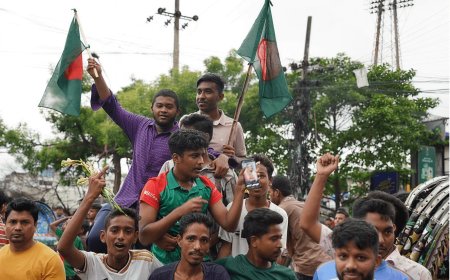
Deep political involvement is necessary to set policies, which bureaucracies can then execute, not vice versa, the whole nation, regardless of political leanings, prefers its leader to be bold yet pragmatic

Keir Starmer’s resignation in the UK, the sixth in a row over the last ten years, suggests a genuine crisis not only in the UK but across European politics.
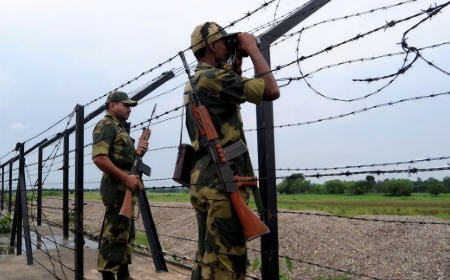
It is prudent for the Indian government to appoint H.E. Dinesh Trivedi, a former politician, as the High Commissioner to Bangladesh at a time when relations between the two countries are experiencing turbulence over the ouster of the last government.

However critical we may be, the role of the Indian media is noteworthy in the recent remarks of the ex-Chief Minister of West Bengal made on the case of Hadi killings. They collectively refrained, through mainstream and social media, from broadcasting the news publicly to preserve their national interests.
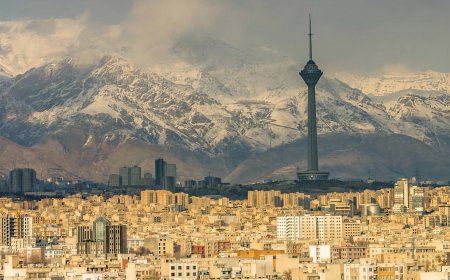
A comparison between Bangladesh and Iran may not be pragmatic, given the vast differences in their rich historical heritages. What is comparable is the repeated dedication and courage shown by the people of both nations in standing up for their respective countries.
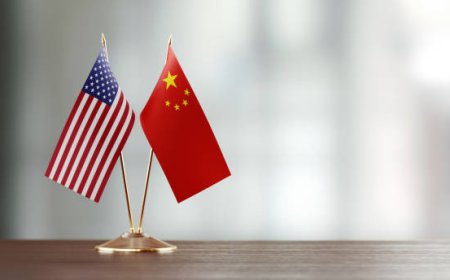
The Chinese leaders learned it well, as was evident in his call to Mr. Trump in the opening remarks of Chinese Premier Mr. Xi Jinping, who urged him to avoid falling into the Thucydides trap and embrace peace for global prosperity. But at the close of the talk, the disturbing global concerns may be: is there a second Kissinger, or a President like Nixon, to achieve the same?
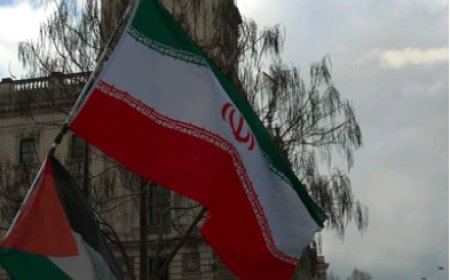
Not only must the war around the world be stopped, but any illegitimate war anywhere in the world must also be treated as a war against humanity.
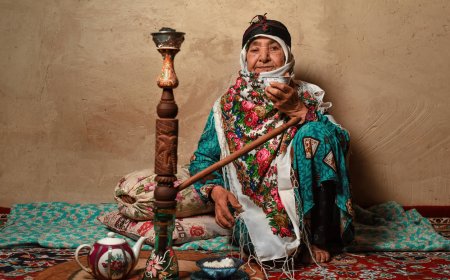
The aesthetics, love of poetry, the beauty of roses, love of delicious food, and love and respect for religion and culture are ideas and practices of the subcontinent, particularly Bengal, that are credited to Iran.

Gen Z or Alpha loves beauty and boldness, not beast, humility with harshness when necessary, eloquence, not quiet. The leaders who hide behind humility or show arrogance from the pulpit to conceal the purpose of rule are obsolete.
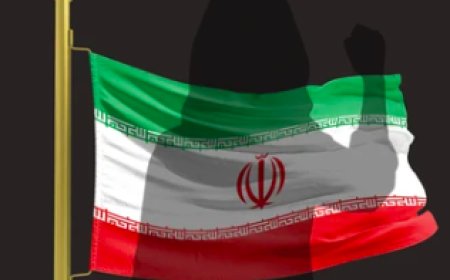
When a nation stands strong to protect its land from aggression, facing the threat of annihilation solely to preserve the dignity of its geography and people, its model of governance can’t align with any universal model for the sake of others.
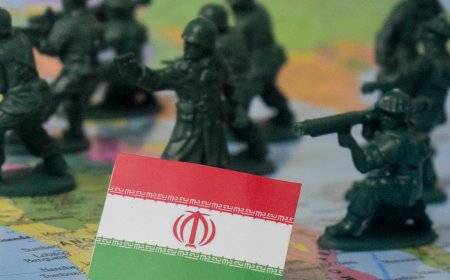
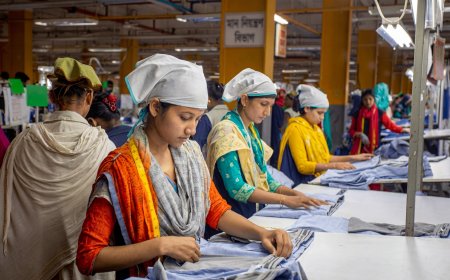
The war will be over, and the Middle East will need massive reconstruction, necessitating a huge workforce from the underdeveloped world
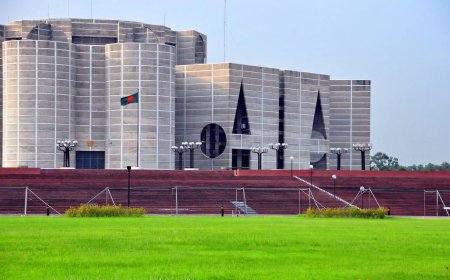
The country needs leaders from all political parties in parliament to be self-made men hailing from humble origins, shrewd, hardworking, ruthless, and fiercely nationalistic, capable of building a strong state and transforming society.
The hopes and dreams of the people in society like ours die in the Westminster system of parliamentary governance, which prefers to suppress the opposition under legal cover; the space for morality wanes completely.
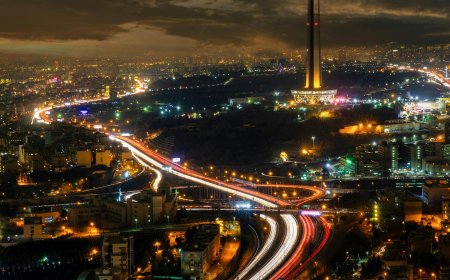
Iran is more than just a state; it is a civilization capable of developing a new system or model that others might follow, beyond the Westphalian framework. Without wise leadership, the ongoing conflict could not only lead the world into a prolonged economic downturn but also reshape global power balances.
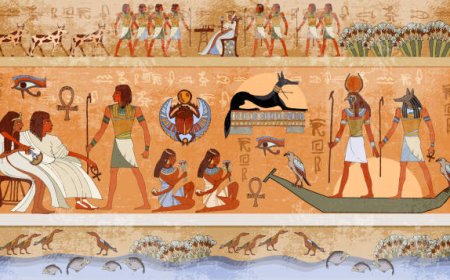
The endurance to hardship, spirit and skills to fight when forced, maturity to restrain, legacy of history to forge their own system of governance rather than blindly copy from the West, are the forte of these old but rich civilizations. They enrich their people not only with their own histories but also with the warring histories of the West, so that they can choose the good from the bad.