
























































A Poet's Burden: Rabindranath Tagore's Secret Struggle for Tripura
A Newly Discovered Letter Exposes His Private Battle With Power and Trust

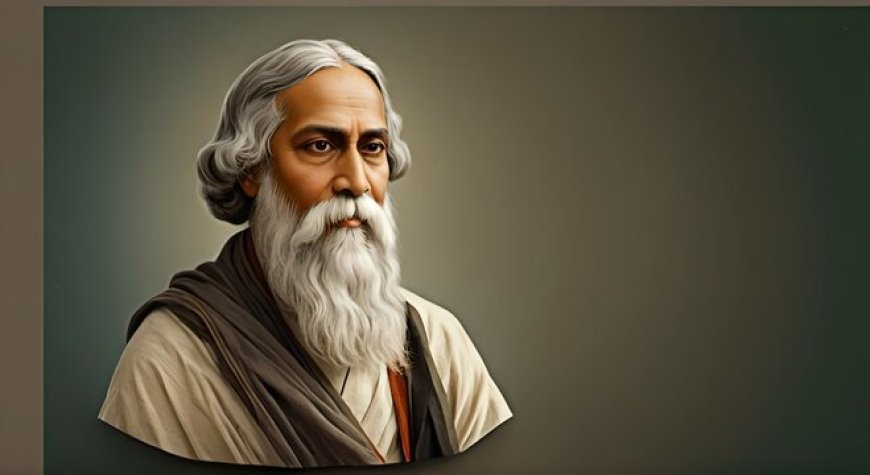


Fig 1: Opening page of Rabindranath Tagore’s Letter to Maharaja Radha Kishore Manikya, August 1, 1905
Fig 2: Signature page of Rabindranath Tagore’s Letter to Maharaja Radha Kishore Manikya, ১৬ শ্রাবণ ১৩১২
A previously unknown letter [1] from Rabindranath Tagore, dated 16th Sravan 1312 Bengali calendar (circa August 1905), unveils a deeply personal struggle within the poet's soul, far removed from his celebrated verses and philosophical treatises.
Addressed to Maharaja Radha Kishore Manikya of Tripura, this handwritten missive reveals Tagore's profound moral dilemma and his unvarnished views on the administrative turmoil plaguing the princely state.
More than a historical document, it is a poignant testament to the heavy burden of friendship and duty that Tagore felt towards the Tripura royal family, a bond spanning generations.[2]
The letter [1] opens with a disarming honesty, laying bare Tagore's inner turmoil:
"কিছু দিন হইতে আমার মনের মধ্যে একটি গ্লানি জন্মিয়াছে তাহাই দূর করিবার জন্য মহারাজকে অদ্য এই পত্র লিখিতেছি।" (Kichu din hoite amar moner moddhye ekṭi glani jonmiyaache tahai dur koribar jonno Maharajke oddyo ei potro likhitechhi.) (For some days now, a feeling of remorse/stain has grown within my mind, and it is to dispel this that I am writing this letter to Your Highness today.)
This "glani" (stain or remorse) stemmed from his recent involvement in Tripura's complex financial and administrative affairs. Tagore reveals his discomfort with actions he felt "unjustly compelled to undertake," especially concerning a trusted friend, Mahim.
Though he had suspicions about Mahim’s integrity for some time, confessing, "On this occasion, due to public rumors and other reasons, I have occasionally harbored suspicions about Mahim," he had refrained from a harsh judgment due to his lack of direct knowledge and Mahim's apparent intellect.
Yet, a specific incident -- Mahim's letter and telegram being sent within the Maharaja's correspondence -- triggered deep unease, making the "pain... impossible to dispel."
The core of the crisis revolved around a massive ten lakh rupee debt incurred by the Maharaja, primarily for the ambitious construction of the magnificent Ujjayanta Palace in Agartala.[3, 4] Tagore himself had advised the Maharaja on securing this loan from the Bengal Bank, an act that entwined him directly with the state’s financial fate.
However, the repayment scheme, and the figures advocating for it, raised Tagore's suspicions. He harbored strong distrust for a figure named "Santos":
"আমি স্যান্ত্ত্স্ সাহেবকে তিলমাত্র বিশ্বাস করি না। আমি নানা স্থান হইতে শুনিয়াছি যে স্যান্ত্ত্স্ নানা কৌশলে মহারাজের অর্থশোষণ করে।" (Ami Santos sahebke tilmatro biswas kori na. Ami nana sthan hoite shuniyaachi je Santos nana koushule Maharazer orthoshoshan kore.) (I do not trust Mr. Santos in the slightest. I have heard from various sources that Santos exploits Your Highness’s wealth through various stratagems.)
More alarmingly, Tagore observed that Mahim -- identified as Colonel Thakur Mahim Devvarman, a key figure in the Maharaja's administration [5] -- was closely allied with Santos. This alliance shattered Tagore’s fragile trust in Mahim's intentions:
"যখন হইতে দেখিয়াছি মহিম স্যান্ত্ত্স্ সাহেবের সহিত জত নিজেকে জড়িত করিয়া রাখে তখন আমি বুঝিয়াছি মহিমের দ্বারা নিস্বার্থভাবে মহারাজের রাজ্যের হিত সাধন হইবে না।" (Jokhon hoite dekhiyaachi Mahim Santos sahebe-r shohit jato nijeke jorito koriya rakhe tokhon ami bujhiyaachi Mahimer dwara niswartobhabe Maharazer rajyer hito sadhon hoibe na.) (From the moment I saw Mahim involving himself with Mr. Santos, I understood that Mahim would not be able to serve the welfare of Your Highness’s kingdom selflessly.)
Tagore keenly perceived Mahim's "weakness" -- his inability to entirely shed personal self-interest, despite his sharp intellect and ostensible enthusiasm for Tripura’s welfare. He feared that the proposed debt repayment strategy, orchestrated by Mahim and Santos, would ultimately render the Maharaja "subservient to others" -- a veiled reference to increased British control, which was a constant shadow over princely states.[6]
The poet found himself ensnared in "a path of work as arduous as it is thorny," navigating a court rife with "factionalism" where true well-wishers were hard to discern.
His "glani" was born from the ethical tightrope he walked: having to convey his suspicions about Mahim to the Maharaja, knowing it would break a bond of trust, yet believing it was his duty.
"গোপনে এই বিশ্বাসকে ভঙ্গ করা আমার পক্ষে নিরতিশয় গর্হিত কার্য্য হইয়াছে - সেজন্য আমি অন্তর্য্যামীর নিকটে দণ্ড ভোগ করিতেছি। অতএব মহারাজ দয়া করিয়া আমার এই পত্র খানি মহিমকে দেখাইবেন।" (Gopone ei biswas-ke bhongo kora amar pokkhe niratisoy gorhito karyo hoiyaache -- sejono ami ontorjamir nikote dondo bhog koritechhi. Otopor Maharaj doya koriya amar ei potro khani Mahimke dekhaiben.) (To secretly break this trust has been an exceedingly reprehensible act on my part -- for which I am suffering punishment before the Inner Witness (God). Therefore, Your Highness, please kindly show this letter to Mahim.)
This extraordinary request -- that the Maharaja personally show the accusatory letter to Mahim -- underscores Tagore's profound moral conviction and his refusal to engage in secret politicking.
He preferred open confrontation, even at great personal cost, rather than allowing suspicion to fester in the dark. As a solution, Tagore proposed a selfless, skilled administrator "unconnected with local factionalism," even suggesting a specific individual named Ramani, though he later states he is "no longer eager" for this particular recommendation, perhaps due to the deepening mire of court politics.
This newly surfaced letter offers a rare, intimate glimpse into the mind of Rabindranath Tagore, revealing him not just as a poet and philosopher, but as a man deeply concerned with practical governance, fiercely loyal to his friends, yet uncompromising in his moral principles.
It highlights the often-overlooked complexities of his involvement in state affairs, reminding us that even the most sublime artists grapple with the gritty realities of power, trust, and the elusive pursuit of 'dharma'.
References
Rabindranath Tagore, unpublished fifteen page handwritten letter to Maharaja Radha Kishore Manikya, ১৬ শ্রাবণ ১৩১২ (August 1, 1905), private collection, Dhaka.
"Rabindranath Tagore's relationship with the Tripura royal family." Tripura.gov.in. Accessed July 8, 2025.
"Ujjayanta Palace: Seat of the Manikyas." Peepul Tree World. Accessed July 8, 2025.
"Radha Kishore Manikya." Wikipedia. Accessed July 8, 2025.
"Maharaja Radhakishore Manikya: A Benevolent King and His Contributions to Eradicate the Civic Problems of Princely Tripura." Research Guru: Online Journal of Multidisciplinary Subjects, Volume 12, Issue 1 (June 2018).
"Tripura (princely state)." Wikipedia. Accessed July 8, 2025.
Shahab Sattar is a connoisseur of Islamic and South Asian art and an independent scholar, with a special interest in Indian miniature painting, Qur’anic manuscripts, and the Bengal School.