












































































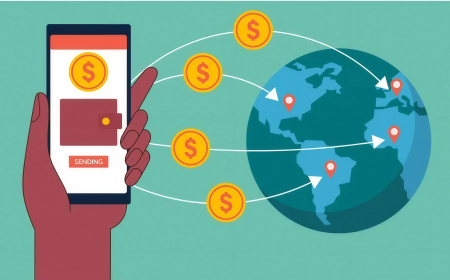
Allowing foreign operators to participate in outward remittances -- under a controlled and bank-intermediated framework -- could be a game-changing policy shift.

Stability is not achieved through currency redesign, but through effective liquidity coordination and risk management within the existing global monetary framework.

Humans are not passive recipients of incentives; they are active interpreters who respond creatively, strategically, and sometimes opportunistically.

Corporate success is increasingly measured by size rather than substance.
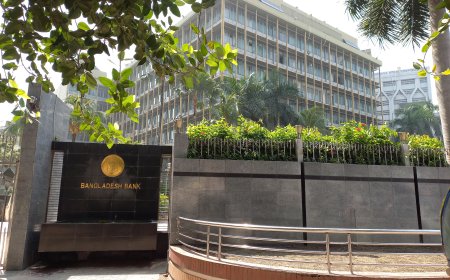
In structural terms, the policy reflects an ongoing evolution in Bangladesh’s financial regulatory framework -- from rigid quantitative controls toward more dynamic, risk-sensitive calibration.

When citizens pay taxes, they demand services, transparency, and governance in return. This creates a feedback loop between the state and its people

Bangladesh will not experience a shock, but it will face a shift -- from a system dominated by generic competition to one where intellectual property plays a more active role in shaping market access and industrial upgrading.

Exchange rate changes are often misunderstood, leading to exaggerated expectations. Policymakers need to clearly explain that depreciation does not fully translate into inflation or export gains.

Money is not free. Interest-free loans do not eliminate cost; they merely obscure it. Whether financed through budgetary allocations or institutional balance sheets, the subsidy embedded in such loans must ultimately be borne by someone.

The transition from cash to digital is not merely a technological shift; it is an institutional reform. It requires aligning incentives, building trust, and modernizing infrastructure. But the alternative -- continuing cycles of raids, fines, allegations of harassment, and persistent opacity -- offers little hope for sustainable market discipline.

Import cost is ultimately a function of trust. When global banks and suppliers trust that payments will be made on time and that policies will remain predictable, they offer better terms. Conversely, when uncertainty prevails, they demand confirmation, higher spreads, and tighter conditions.

Remittance inflows are not merely a function of diaspora goodwill or seasonal rituals; they are the mirror image of confidence in the domestic market’s fairness and functionality.

Ultimately, the wisdom of “an egg today is better than a chicken tomorrow” is not a rejection of the future. It is a reminder that time, risk, and trust matter. The future must earn its value; it cannot merely be promised

Platforms expand opportunities while simultaneously consolidating economic power. Those who control digital infrastructure and data ecosystems enjoy disproportionate gains, while workers and small entrepreneurs absorb most of the risks.

A country aspiring to become a trillion dollar economy cannot afford to operate with manual, subjective, or personality-driven oversight. It needs strong institutions delivering predictable outcomes.