








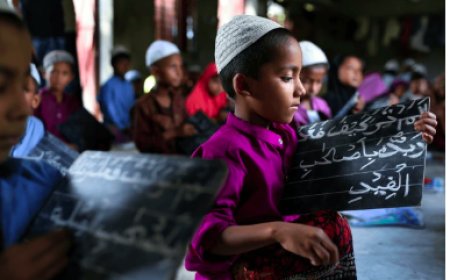














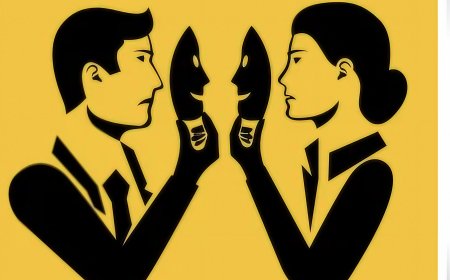


































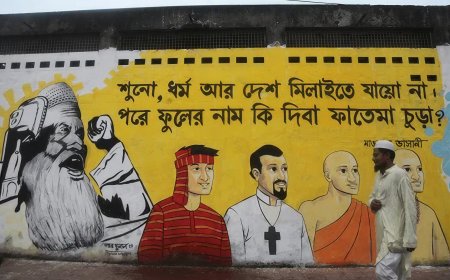
Bangladesh does not need to choose between religion and secularism. It must choose between a democratic political system, where diverse beliefs co-exist under shared constitutional rules, and a politics where identity is weaponized to determine belonging.
By choosing Mirza Alamgir, the Prime Minister has placed institutional credibility above other considerations, and in doing so has strengthened the constitutional order his government is charged with restoring.
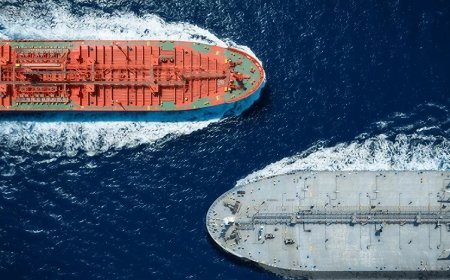
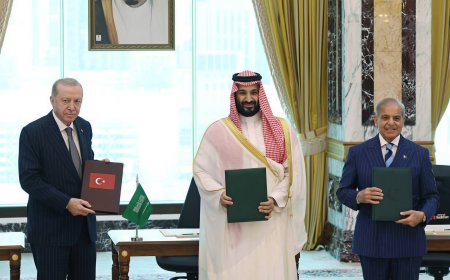
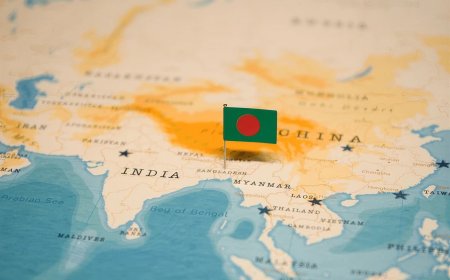
Dhaka has deepened military ties with Turkey while normalizing relations with Pakistan. This commitment towards strategic autonomy unsettles security planners in New Delhi, who view the accumulation of these moves as a potential erosion of Indian influence in the Bay of Bengal.
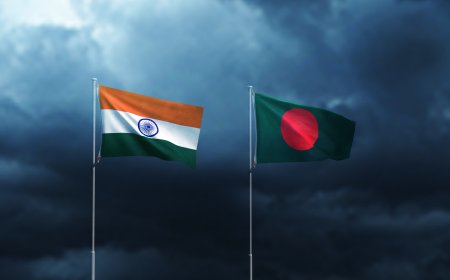
As Hasina professes a desire to return to Dhaka, then both governments should commit to taking steps to allow her to do so. Not as a returning prodigal daughter, but as a fugitive accused and convicted of crimes against humanity.
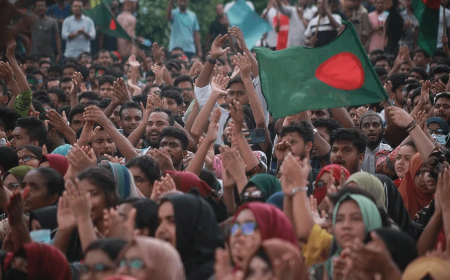
The demand that drove millions into the streets was never abstract. It was the return of democracy and fair elections to Bangladesh, the right of its people to choose their own government, and through that, make the decisions that would govern their destiny.
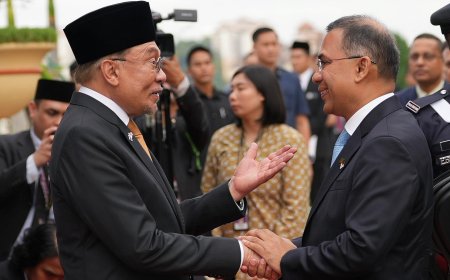
This is not a government choosing China over India, or East Asia over the West. Rather, Dhaka is trying to keep every door open for as long as the money keeps coming in and as long as no single lender or ally claims it exclusively.

Yes, economists may envy physicists and political scientists may envy economists. But, here, in a place as fluid and unpredictable as Bangladesh, there are moments when even the most elegant model benefits from being challenged by a journalist's imperfect, half-cooked antithesis.
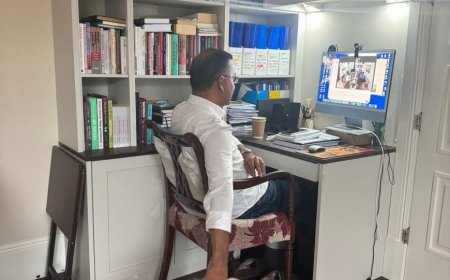
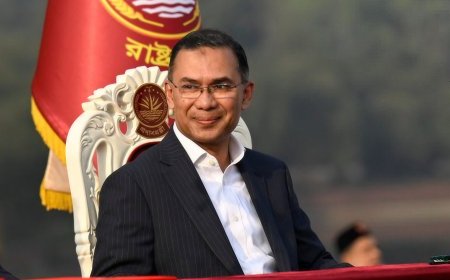
In one simple way, Tarique Rahman stands to be more successful than either of his parents. Neither of them could successfully, peacefully, finish their term and hand over power to the next government. Ziaur Rahman was gunned down by rogue officers. Khaleda Zia faced an implacable foe who made good on her promise of not allowing the former prime minister a moment of peace.
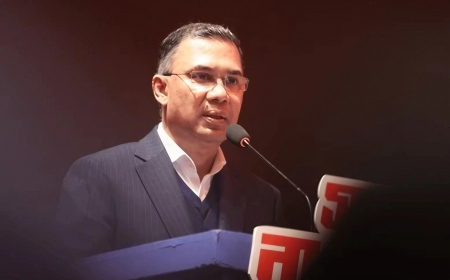
All things considered, Mr. Rahman receives a “meets expectations” grade. The BNP government, as a team, receives a “needs improvement” grade, but not a failing one.
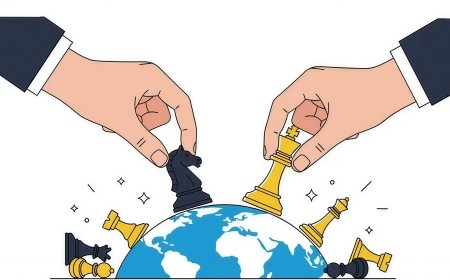
Bangladesh’s government faces a delicate balancing act. Every move in the international arena will be closely scrutinized for signs that the government is “tilting” towards one geopolitical axis or another.

At a time when investor confidence is closely tied to perceptions of policy stability and transparency, a structured and inclusive engagement framework sends a powerful signal. It tells both domestic and international investors that policymaking is consultative, predictable, and responsive.
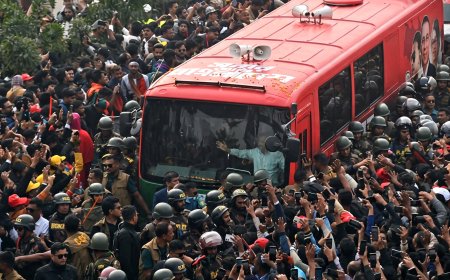
A government that reduces VIP protocol but continues to evict vendors without rehabilitation has merely exchanged one performance for another.

You have to heal those it hurt, reassure those who hurt on its behalf, and do all of this under the watchful eye of a public that has very little forgiveness left in the tank. You are blamed for problems you inherited and applauded cautiously for small, unsexy fixes that don’t photograph well.
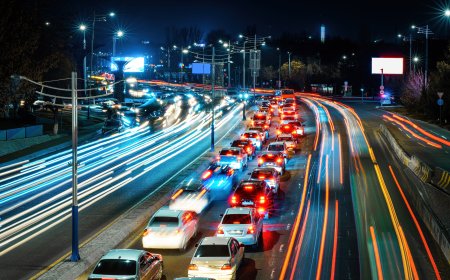
Sometimes the most revealing view of a country is not from above, but from within the flow of its everyday life
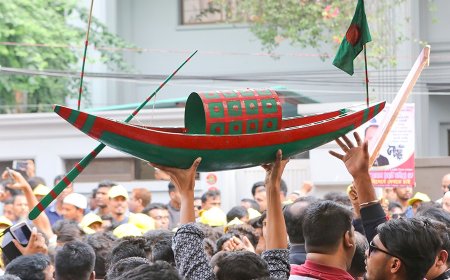
That the stability and sustainability of Bangladesh’s renewed tryst with democracy will depend on how maturely Tarique Rahman deals with the thorny issue of Sheikh Hasina and the Awami League.

Reviving Saarc is a Sisyphean task, but it is one Bangladesh is uniquely positioned to undertake. In a world of hardening blocs, South Asia cannot afford to be the only region without a voice.