


































































What a Woman Wears
The masculinity crisis in Bangladesh is not a psychological issue alone. Young men possess smartphones but lack jobs, security, or agency. Powerless in real life, they become powerful on screens. Their remaining sense of control is exercised through digital domination of women’s bodies.

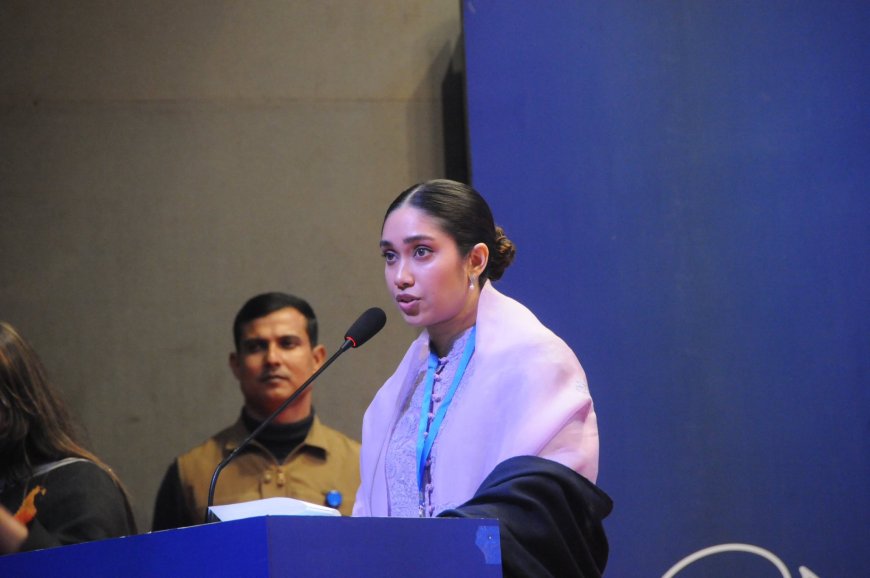
A video of Zaima Rahman has been circulating on my feed. The video itself is unremarkable. What is disturbing, far more disturbing is the comment section. It carries the full, familiar package: “character,” “culture,” “politics,” “national shame.” As if a few seconds of dancing have somehow endangered the republic.
But this video is not really about Zaima. It is about something far larger and far uglier: The patriarchal logic through which our political culture continues to speak, discipline, and punish women.
What does the video show? A nightclub. Music. Dancing. Western clothes. A young woman who grew up in the UK, where clubbing is not rebellion but a routine part of social life. And yet the reaction is painfully predictable. This is Bangladesh’s oldest political formula: When you cannot attack a man directly, you weaponize the body of a woman connected to him.
What Zaima did is, in fact, irrelevant. The real question is this: Who feels entitled to secretly record a woman’s private moment, circulate it publicly, and then appoint themselves as moral judges of her character? This is not curiosity. This is surveillance. This is harassment. And politically speaking, this is gendered political violence.
Let us be clear about one basic fact. Zaima Rahman is not an elected representative. She holds no public office. She is not a policymaker. But she is the daughter of a political leader, and that identity alone is enough to strip her of personhood.
In patriarchal politics, women are never allowed to be individuals. They are always someone’s daughter, someone’s wife, someone’s sister. A relational identity. Attacking her is simply another way of attacking a political opponent. In this game, women are not people; they are messages.
When a woman wears a sari during a campaign, covers her head during prayer, she is praised as good, cultured, acceptable. When the same woman dances in a club wearing Western clothes, she is suddenly immoral, shameful, a threat to culture.
This binary does not attempt to understand women’s lives. It exists solely to control them. A woman can be modern and still respectful of religious or cultural spaces. She can dance with friends and still be politically engaged. Real life is layered. Patriarchy despises layers. It wants labels. Good or bad. Pure or polluted.
Religion enters this equation not as faith, but as performance. What matters is not belief, ethics, or justice, but visual compliance: When did she cover her head, where, and in front of whom? Women’s bodies become moving displays of religious legitimacy. This is not spirituality. This is religion converted into a political technology of control.
Some critics now argue that Zaima behaved “one way during the campaign and another way in private,” calling it hypocrisy. This argument is not only intellectually lazy, it is embarrassingly ignorant. What they are rejecting is contextual agency, the basic social intelligence that allows people to present themselves differently in different spaces.
Men do this all the time. A male politician behaves differently in a mosque, an office, and a private gathering. He is called adaptable, smart, balanced. When a woman does the same, it becomes a character flaw. This is gendered double standards in their most naked form.
There is another layer of hypocrisy here. Those suddenly clutching their pearls over “culture” are not genuinely concerned with morality. Culture has become a ready-made weapon, unsheathed the moment a woman appears. Male politicians’ affairs, scandals, and night lives are swiftly dismissed as private matters. Women are never afforded that privacy. Their bodies become public debate tables.
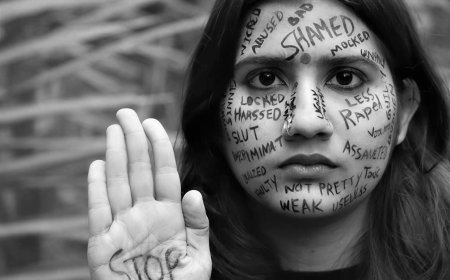
The circulation of this video carries an unmistakable political threat: Come close to power, and we will watch you. We will dig up your past. We will turn your private moments into punishment. This is not accidental. This is digital honour policing. Shame here is not religious, it is a tool of governance.
None of this is new. Women in Sheikh Hasina’s family have been trolled for their clothing. Her son’s teenage daughter has been sexualized online. Questions have been raised about why Hasina’s daughter in law is Christian. Khaleda Zia’s saris, makeup, and appearance have been scrutinised. Benazir Bhutto’s Western lifestyle. Indira Gandhi’s personal life. Across South Asia, women connected to power are attacked not through policy critique, but through their bodies, morality, and culture. This is not party-specific. It is a regional patriarchal pattern.
Zaima Rahman owes no explanation. The questions belong elsewhere: Who records such videos? Who circulates them? Who consumes them with delight? Who celebrates character assassination as political analysis? And who legitimizes this violence with intellectual vocabulary?
Bangladesh’s political culture still does not fight women through policy debates, it fights them through shame. And those who govern through shame turn the state into a vast moral courtroom, where judgment is delivered not through law, but through women’s bodies.
Dr. Lubna Ferdowsi is an academic & researcher in England.