












































![A Ledger of the Soul: Navigating the Allah-Bhagavant Nexus in a 19th-Century Puruṣākāra Jñāna Caupara [Gyan Chauper]](https://counterpointbd.com/uploads/images/202608/image_430x256_6a93baa3b09a7.jpg)




















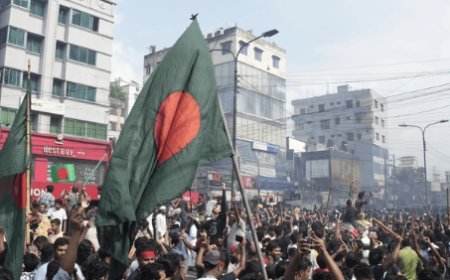
The Bangladesh we aspire to build will not emerge from slogans alone. It will emerge from the courage to reform, the discipline to implement, the wisdom to learn, and the integrity to put national interest above narrow interests.

As Bangladesh aspires to become a developed and knowledge-based economy, strengthening intellectual property protection must become a national priority.

A farmer in Rangpur, a student in Barishal, an entrepreneur in Khulna, or a patient in Sylhet should not feel disadvantaged simply because they live outside Dhaka.

What truly set him apart, however, was not only his professional accomplishment but also his humanity. He possessed a rare ability to listen with patience, engage with sincerity, and offer insights that were both intellectually sound and practically grounded.

Bangladesh has all the ingredients for success -- a dynamic private sector, a young and hardworking population, and a strategic geographic position connecting major markets. Its achievements over the past decades demonstrate what is possible when determination and policy alignment come together.

Policy predictability must become a cornerstone of economic management. Investors must be assured that agreements will be honoured and that regulatory frameworks will not shift unpredictably. At the same time, bureaucratic processes must be simplified and digitized to reduce delays and discretion.

Justice must not only be done but must be seen to be done; impartially, consistently, and without fear or favor. For ordinary citizens to trust the system, they must believe that the law protects them equally, regardless of wealth, influence, or affiliation.
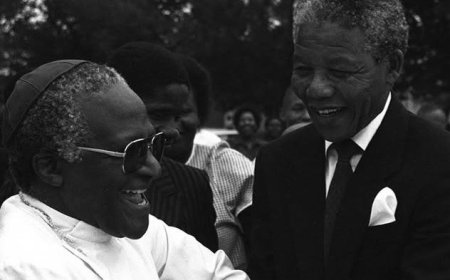
South Africa’s experience shows that legitimacy depends on perceived impartiality and transparency from day one. For a country at the crossroads, that is an invitation worth considering.

Political criticism will persist, that is the nature of democracy. But a government that governs through law, accountability, and judicial independence will find that criticism becomes manageable, trust becomes durable, and stability becomes achievable.

In the final analysis, a truly elected government is powerful not because it controls the state machinery, but because it commands the consent of the governed. That consent, however, is not permanent; it must be earned every day through performance, integrity, and humility.
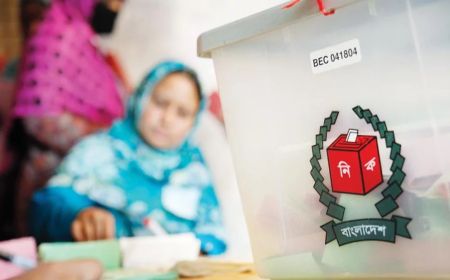
The election is over. The excuses must end. The post-2026 election period will be remembered either as the moment Bangladesh finally chose reform, or as another chapter of deferred responsibility.

The question is not whether this election will solve all of Bangladesh’s problems, it will not. The real question is whether it can reopen a democratic pathway that has long been blocked.

We have often heard rhetoric from our leaders about Bangladesh following the Singapore model. But what would that mean in real terms and what are the key things that Singapore did right that Bangladesh can realistically follow?