











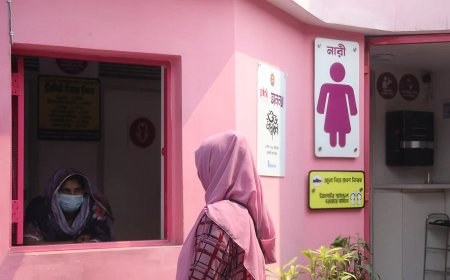


































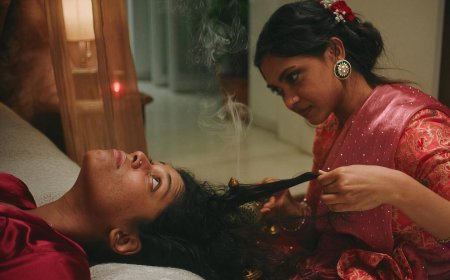







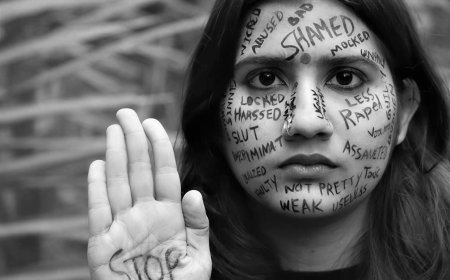
Sometimes there is a locked gate. Sometimes there is family honour, the marriage market, or the comforting language of protection. And sometimes it may appear at an immigration counter as an apparently ordinary question: Are you married?
Do we seek accountability when the evidence implicates someone we admire? Do we oppose genocide consistently, or only when its perpetrators belong to the other side? The answers matter more than the ease with which we endorse justice in principle.
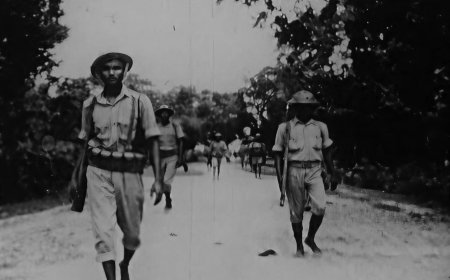
Acknowledging historical wrongdoing does not mean that present members inherit the criminal guilt of their predecessors. It means something more politically mature: Refusing to make the past innocent simply because the present finds it inconvenient.
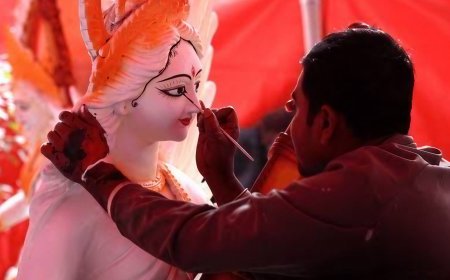
If Puja holidays damage the economy, calculate the economic cost of holidays demanded for one's own religious occasions as well. If religious processions blocking roads are unacceptable, demand the same rule for every religious and political gathering.
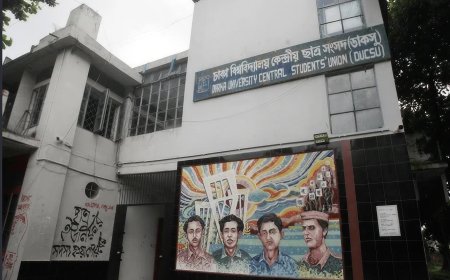
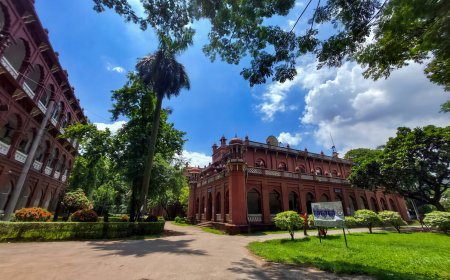
The controversy over DUCSU’s refurbished museum is not really about whether Jinnah belongs on the wall. It is about something more consequential: Who gets to decide which parts of Bangladesh’s political past remain visible.
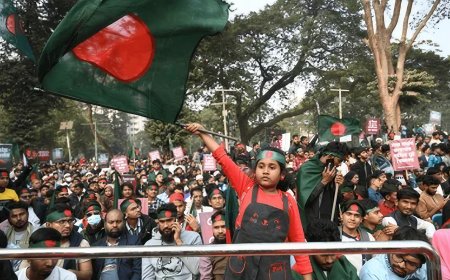
Democratic pressure seeks to influence a decision through persuasion. A mob seeks compliance through intimidation. That distinction matters because political purpose does not neutralize coercive method.
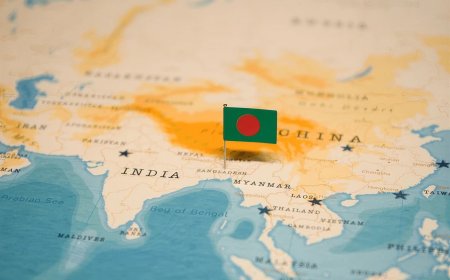
Foreign policy is ultimately not an accounting exercise in who loves us. It is about identifying where interests converge, where they conflict, what each relationship can deliver, what risks it creates, and how those relationships can be converted into bargaining power for Bangladesh.
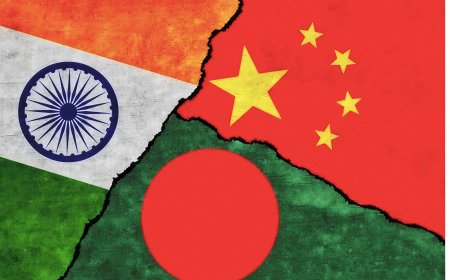
Bangladesh does not need an India-first, China-first, Russia-first or West-first foreign policy. It needs a Bangladesh-first foreign policy. And perhaps the simplest test of such a policy is this: Which choice leaves the country with more doors open?
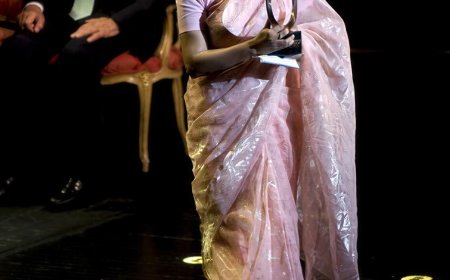
If a person judges a politically active woman not by her arguments but by her prayers and faith, how would he have regarded the millions of citizens whose religions, beliefs, lifestyles and religious practices differ from his own if he had acquired state power?

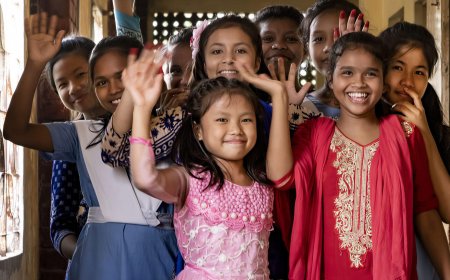
The success of a country's moral education cannot be measured by looking at children's lips. If you want to measure it, ask whether a seven-year-old child can sleep safely at night inside that institution.

The mother is running for survival. Her hope, perhaps, is that one day her daughter will be able to run for choice. That distinction matters.
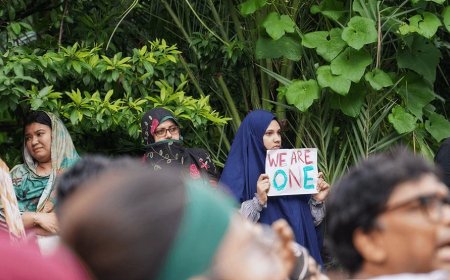
Had Begum Rokeya been alive to see the name “Oborodhbasini”, the platform through which female students are challenging these restrictions, perhaps she would have recognized the continuity before she noticed the novelty.
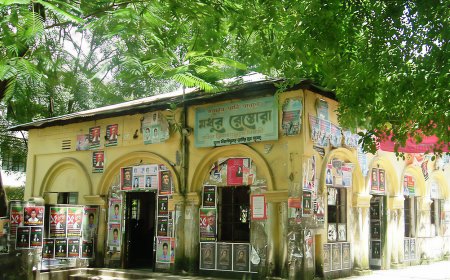
A Bengali Muslim could support the idea of Pakistan at one moment, fight for Bengali language rights at another, and later resist the Pakistani state itself. Political identity changes through historical experience. That change is not an inconvenience to history. It is history.
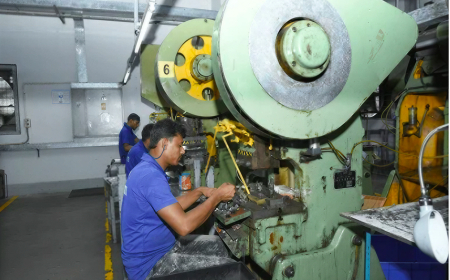
Bangladesh cannot end the war in the Middle East. Nor can it prevent the next pandemic, commodity shock or geo-political disruption. What it can do is decide how exposed its citizens will be when the next shock arrives.

Somewhere between those two narratives, Ganapati, Pritilata, Agami and Ayush risk ceasing to be four human beings and becoming evidence for somebody else’s political story.
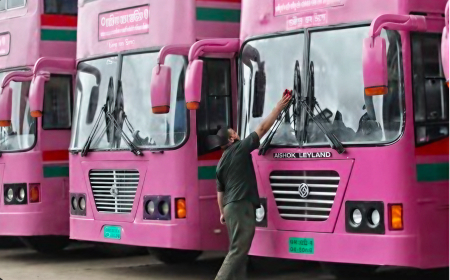
Giving a woman a corner of the bus and giving her control of the direction of the entire bus are not the same politics. Today her passengers may be women. Tomorrow everyone may be on board.