
































































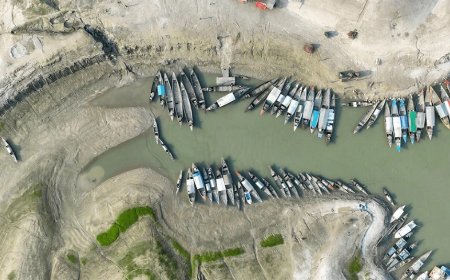
The people living along the southwest's rivers want the river back. A barrage and a river are different things.
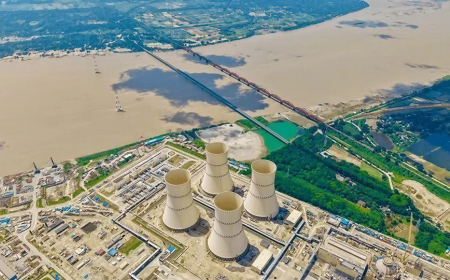
The recent trade agreement with the US could stop Bangladesh from building any more nuclear power plants.

The doctors of Bangladesh are not the disease. They are symptoms of a system that has been starved, stretched, and left to collapse quietly while our politicians fly to London and Singapore for their own check-ups. Someone needs to call this what it is. A national emergency. A moral failure. A crusade waiting for people willing to fight it.

If canals worth thousands of crores of taka are excavated but become filled up or abandoned within a few years, the country will suffer irreparable losses, which would go against the intentions of our policymakers.

Bangladesh will not experience a shock, but it will face a shift -- from a system dominated by generic competition to one where intellectual property plays a more active role in shaping market access and industrial upgrading.
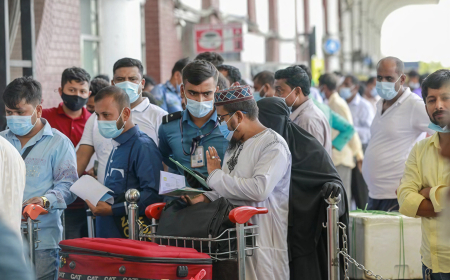
The workers did their job. Now the state needs to do its part. Our remittances are as big as our garments. So why does one get a ministry and the other get a circular?
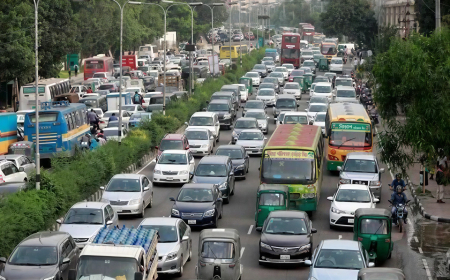
A farmer in Rangpur, a student in Barishal, an entrepreneur in Khulna, or a patient in Sylhet should not feel disadvantaged simply because they live outside Dhaka.

Bangladesh cannot sustain its growth economically if our banking system remains feeble and compromised. The solutions are well known: Independence, accountability, transparency, good compliance, governance, and professionalism. What’s missing is the willpower to enforce them.
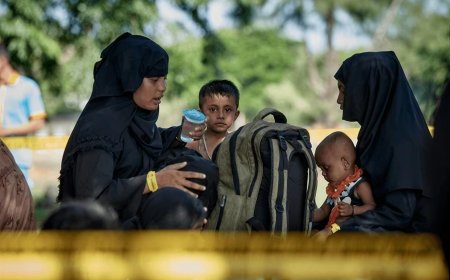
As the crisis in Rakhine worsens, Dhaka should consider drawing on that combat experience. This is not to pursue meaningless adventurism, but to formulate an internationally credible response to ensure safety, stability and humanitarian access in Arakan.

The real problem is not device ownership. It is device access. And how you design that difference determines whether a policy quietly succeeds or loudly fails

Russia’s war has already caused immense suffering. It should not be sustained through the exploitation of vulnerable people.

Law is not static; like people, society, and technology, it can evolve. Every advance in rights, every institutional reform, and every step toward justice has been shaped by individuals who believed that change was possible.

It is tempting, to view such a crisis as an aberration, an unfortunate deviation from an otherwise sound system. What has occurred at Islami Bank Bangladesh was not accidental; it was the predictable outcome of unchecked authority and weakened institutions

Whether a PhD student in Florida or a domestic worker returning from Saudi Arabia, the principle is the same: The state must recognize, protect, and advocate for all citizens equally. We do not merely demand justice; we demand presence, accountability, and moral integrity.

The Cyber Security Acts vague language, a $190 million surveillance machine, and a political culture that hasn't reformed itself: This is the dystopian architecture of a pre-crime reality.

Regional integration is not only about infrastructure. It is about people. It requires a feeling of belonging -- a common identity. The Bay of Bengal region does not yet have that. Its countries differ widely in political systems, economic capacity, governance standards, and historical experience.