








































































Bangladesh’s Journey through Digital Euphoria and Digital Dysphoria
Bangladesh must cultivate a digital culture rooted in empathy. Technology should not isolate; it should connect. Digital spaces should encourage respectful dialogue, creativity, and community-building. The country’s digital future will be shaped not only by infrastructure and innovation but by the values that guide its use.


The story of Bangladesh’s digital rise is often told with a sense of triumph. Over the past decade, the country has moved from limited connectivity to one of the fastest growing digital eco-systems in South Asia. Smartphones have become nearly universal, mobile internet penetration has crossed 70 percent, and services such as bKash have turned digital payments into an everyday habit.
This transformation has created a kind of national digital euphoria -- a belief that technology will accelerate development, democratize opportunity, and place Bangladesh firmly on the global innovation map.
Yet beneath this optimism lies a quieter, more troubling reality: Digital dysphoria. It is the discomfort, anxiety, and social disruption that accompany rapid digital change, especially in a society where literacy, regulation, and digital ethics have not kept pace.
Digital euphoria is easy to understand. It is visible in the excitement around tech-savvy Bangladeshis, in the expansion of e-governance, and in the way young entrepreneurs use social media to build businesses from their bedrooms.
The rise of online marketplaces has allowed women to earn independently, often without leaving home. Telemedicine has connected rural patients to urban doctors. Students in remote districts can now access online lectures from Dhaka University or international platforms.
For many families, the smartphone is not merely a device; it is a gateway to aspiration.
But digital dysphoria grows in the same soil. The very tools that empower also unsettle. Bangladesh’s digital landscape is marked by misinformation, cyberbullying, online fraud, and a widening gap between those who can navigate digital spaces safely and those who cannot.
The country’s digital literacy rate remains significantly lower than its digital access rate, creating a paradox: Millions are online without fully understanding the risks or responsibilities of being online. This imbalance fuels a sense of unease, especially among parents, educators, and community leaders who see young people immersed in digital worlds they themselves do not understand.
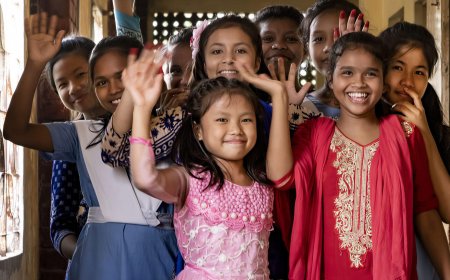
One of the clearest examples of this tension is social media. Platforms such as Facebook, TikTok, and YouTube have become central to youth culture. They offer entertainment, connection, and creative expression.
Yet they also expose young people to harassment, unrealistic beauty standards, addictive algorithms, and a constant pressure to perform. Bangladesh has witnessed cases where viral trends have led to dangerous behaviour, where online humiliation has pushed teenagers into depression, and where misinformation has sparked communal tension. The digital euphoria of limitless content quickly turns into digital dysphoria when the content becomes overwhelming, manipulative, or harmful.
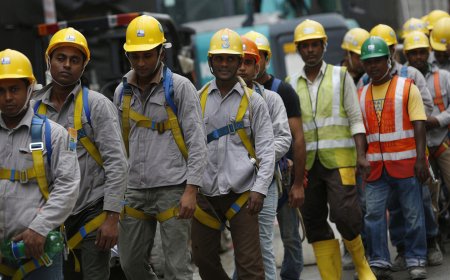
The workplace reflects this duality as well. Digital tools have made remote work possible, expanded freelancing opportunities, and connected Bangladeshi professionals to global markets. At the same time, the pressure to be constantly available online has blurred boundaries between work and rest.
Employees feel compelled to respond instantly to messages, emails, and notifications. The digital promise of flexibility often becomes digital fatigue. For many, the workday no longer ends -- it simply shifts platforms.
Education, too, carries both sides of the coin. Online learning during the pandemic revealed how technology could sustain education during crisis. But it also exposed inequalities: Students without smartphones or stable internet were left behind.
Even today, digital classrooms often rely on rote content, and teachers struggle to adapt to new tools. The euphoria of digital education is tempered by the dysphoria of unequal access and inconsistent quality.
Bangladesh’s digital economy illustrates another layer of complexity. E-commerce has flourished, but consumer complaints about fraud, delayed deliveries, and counterfeit products are widespread. Digital financial services have expanded, yet scams targeting mobile banking users have increased. The convenience of digital payments coexists with the fear of being cheated. Trust, which is essential for any digital eco-system, remains fragile.
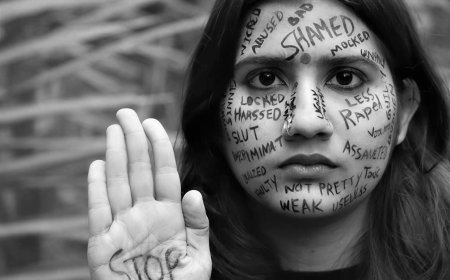
Perhaps the most serious dimension of digital dysphoria is safety. Technology facilitated gender based violence has risen sharply. Women face image based abuse, stalking, blackmail, and harassment on social media. Many hesitate to report incidents due to stigma or fear of retaliation. Families often respond by restricting women’s digital access, deepening gender inequality. The digital world, which should have been a space for empowerment, becomes a site of vulnerability.
This tension between euphoria and dysphoria is not unique to Bangladesh. Malaysia, for instance, has introduced stricter regulations on children’s access to social media, recognizing the psychological and developmental risks. Several European countries have debated similar measures. These examples highlight a global truth: Digital transformation must be accompanied by digital safeguards.
Bangladesh stands at a critical juncture. The country cannot afford to slow its digital progress, but it also cannot ignore the growing discomfort that accompanies it. The challenge is to build a digital culture that is both ambitious and responsible.
Strengthening digital literacy is the most urgent step. Literacy must go beyond basic device use; it must include critical thinking, online safety, privacy awareness, and emotional resilience. Schools should integrate digital ethics into their curriculum. Parents need guidance on how to support children’s online lives without resorting to fear or control. Community centres and local government offices could offer digital safety workshops, especially for women and elderly users.
Regulation must evolve as well. Bangladesh needs clearer guidelines on data protection, children’s online safety, and platform accountability. Social media companies should be required to respond faster to harmful content originating in Bangladesh. Law enforcement agencies need specialized training to handle cybercrime sensitively and effectively. The goal is not to police the internet, but to create a safer digital environment where rights and responsibilities are balanced.
Equally important is mental health awareness. Digital dysphoria often manifests as anxiety, loneliness, or burnout. Public campaigns could help normalize conversations about digital wellbeing. Workplaces should adopt policies that discourage excessive online availability. Schools should teach students how to manage screen time and digital pressure.
Finally, Bangladesh must cultivate a digital culture rooted in empathy. Technology should not isolate; it should connect. Digital spaces should encourage respectful dialogue, creativity, and community-building. The country’s digital future will be shaped not only by infrastructure and innovation but by the values that guide its use.
Digital euphoria and digital dysphoria are not opposing forces; they are intertwined realities of the same transformation. Bangladesh’s task is to harness the promise of the digital age while confronting its discomforts with honesty and foresight. If the nation can strike this balance, its digital journey will not only be fast -- it will be wise.
Syed Almas Kabir is the Chairman of Bangladesh ICT & Innovation Network (BIIN).