


























































Can Bangladesh Afford the Fall of Sittwe?
As the crisis in Rakhine worsens, Dhaka should consider drawing on that combat experience. This is not to pursue meaningless adventurism, but to formulate an internationally credible response to ensure safety, stability and humanitarian access in Arakan.

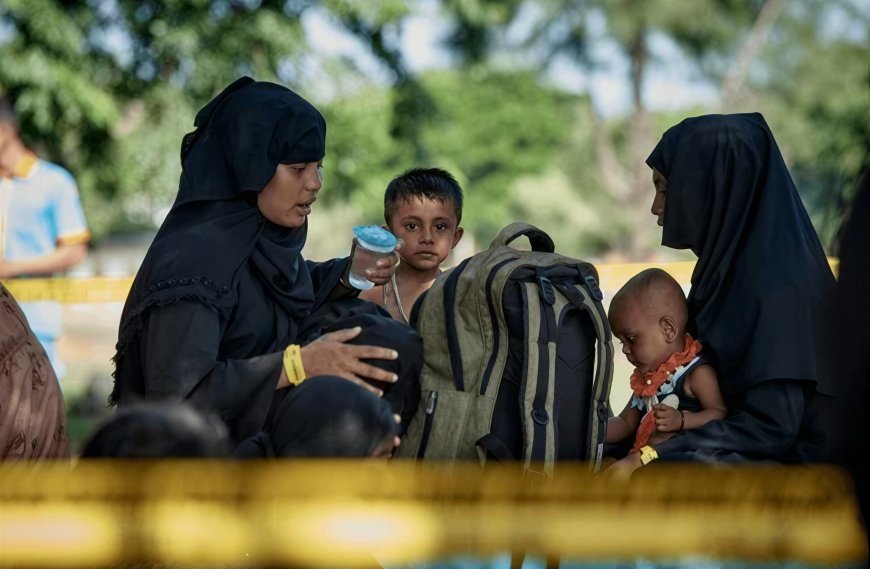
A genocide is happening on our doorstep, while the international community is distracted by conflicts elsewhere.
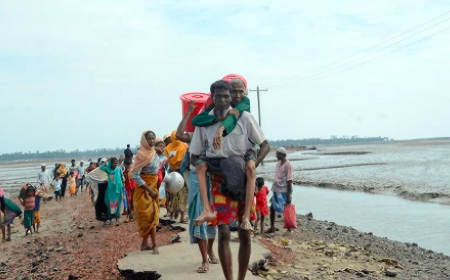
Sittwe is currently under siege, and another exodus may not be far behind.
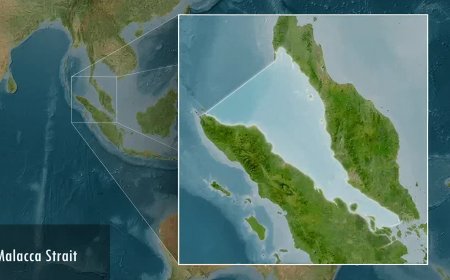
Since 2017, over 700,000 Rohingyas have fled their homes in Arakan to escape ethnic cleansing and mass violence. Having nowhere else to go, most sought refuge north of the Naf River.
Consequently, Bangladesh has borne the greatest humanitarian burden of this disaster for nearly a decade. Though our efforts began as a temporary relief program, it has quickly transformed into a political quagmire. The crisis is testing the state’s capacity, especially along the border districts, every single day.
With no end in sight, Bangladesh is increasingly having to deal with the wider fallout from the conflict in Rakhine. Reports range from abductions of our fishermen, narcotrafficking, and other illegal cross-border activities.
Criminal networks capitalize on the erosion of the state’s authority, and our frontier has been paying the price for years.
And as the last stronghold of the Myanmar government in Sittwe appears close to falling, it seems as though our border region will rapidly devolve into anarchy unless the government acts decisively.
The previous governments in Dhaka have largely been passive observers of the civil war between the Junta and the various ethnic armed organizations vying for power.
Hasina’s government kept Bangladesh’s borders open and gave shelter to the fleeing Rohingyas.
Dr Yunus’ interim government focussed on pushing the Rohingya crisis back onto the international agenda and pressed the United Nations and other donors to avert a catastrophic aid collapse.
Both governments also pushed for diplomatic solutions to repatriate the Rohingyas. Despite the good intentions, these were only temporary fixes, and now the plaster is slowly peeling off.
Moreover, Bangladeshi taxpayers have so far spent over USD 656 million since the start of the refugee crisis. Yet this amount is clearly not enough as the government sought over USD 934 million in its 2025 Joint Response Plan. Despite the proposal, Bangladesh managed to only secure around USD 490 million, which is just over half the amount initially requested.
However, the conditions in the camps are as squalid as ever and forecast to only worsen in the near future. And with the international community diverting its attention elsewhere, aid to the camps is drying up fast. As a result, food supply has become less certain, and refugees are attempting to cross the Bay of Bengal but many end up drowning.
The government must realise that the social contract is working neither in favour of the refugees nor their hosts. Bangladesh has been left to bear a burden that the world is content to ignore with no tangible plans to secure a better future for all parties involved.
Therefore, Dhaka must rethink its approach and recognize that the stability of Arakan is now both a domestic concern as well as a foreign policy objective.
The situation in Sittwe could not come at a worse time for Dhaka. Bangladesh is already exhausted due to economic strain. Slower growth, alongside persistent inflation, and an already stressed banking sector are all putting tremendous pressure on the state. Sitting on the sidelines over Sittwe’s future is not an extra cost that the government can afford.
Bangladesh’s economic concerns do not stop there. A new wave of migration would also be difficult to absorb for a separate set of reasons. A fiscally weak Bangladesh cannot sustain increased public spending, as ballooning energy import costs continue to strain our foreign exchange reserves. In such conditions, a major influx of refugees would only exacerbate tensions in host communities and would certainly destabilise the local economies of the border districts.
This is why we cannot turn a blind eye to what is happening in Sittwe. If the Junta’s last major stronghold in Rakhine falls, Bangladesh would not just be facing another humanitarian emergency but a much deeper phase of border instability. There are already BGB personnel who have lost their limbs to mines, while trying to protect our borders.
Our southern districts are already under immense strain as it is; a further collapse of the frontier could push them into a catastrophe that would be difficult to reverse. Other countries have established military operations on foreign soil for less pressing reasons.
The current government must therefore break from the approach taken by its predecessors. The state should strengthen the border and also improve coastal monitoring. This would enable Dhaka to treat the instability in Arakan as an immediate strategic concern and better prepare for the inevitable fallout. Waiting for another disaster before acting would be a fatal error.
Dhaka still has options. Bangladesh is one of the largest contributors to the United Nation’s peacekeeping missions. There are currently thousands of active personnel who have experience operating in fragile conflict zones. This is both a matter of national pride and reassuring proof that Bangladesh has institutions capable of overcoming the challenges it may face in Arakan.
Our military already has a proven track record that it can operate effectively in conflict zones abroad, successfully overseeing humanitarian conflict management on behalf of the international community.
Therefore, as the crisis in Rakhine worsens, Dhaka should consider drawing on that combat experience. This is not to pursue meaningless adventurism, but to formulate an internationally credible response to ensure safety, stability and humanitarian access in Arakan.
Although Sittwe may still stand today, there is no guarantee that it will tomorrow.
If it falls, the Myanmar Junta is impotent to prevent a spillover across our borders. This turmoil will not halt at Cox’s Bazaar, rather it will strike at the heart of Bangladesh’s humanitarian, economic, and security fragilities.
Dhaka has spent far too many years cautiously reacting to this tragedy after the fact. This time, it must be prepared before the inevitable shock arrives.
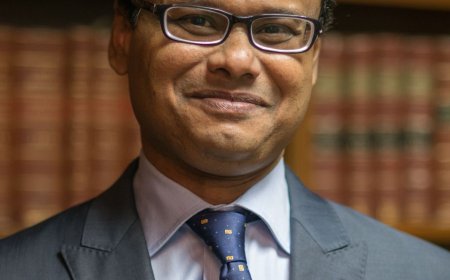
Ahnaf Hussain is a member of Bengal Arakan Canopy, a think tank focusing on the cultural and humanitarian relations of the two regions.