






























































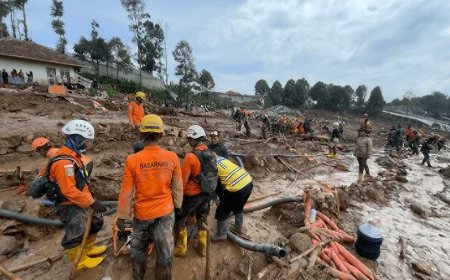
Natural disaster and relief distribution have become almost inseparable in Bangladesh.

The country doesn’t need to own its AI stack; the economics rule that out. It needs people who can keep it running on its own terms. Sovereignty is not what you own. It is what still works when someone else changes their mind.

Bangladesh’s new digital ID can make government easier to reach. It must not make citizens easier to watch.
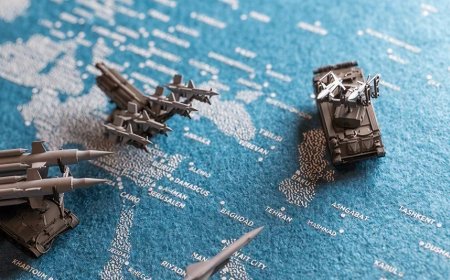
Bangladesh’s reserves have already come under pressure from import costs and exchange-rate changes; indiscriminate assistance could speed up reserve losses and fuel inflation. Trade, revenue and port agencies should speed up customs procedures and eliminate unnecessary logistics expenses.
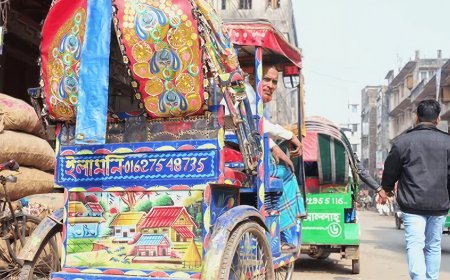
Citizens are told that auto-rickshaws cannot be banned because millions depend on them for a living. That argument is sound for the drivers, who are among the poorest workers in the city. It is not an argument for shielding the people who profit from an unregulated supply chain.

Singer first wrote about Bangladesh as a crisis. The idea he brings back has been working here for nearly 50 years. The question is whether more of our businesses will try it.

Bangladesh must cultivate a digital culture rooted in empathy. Digital spaces should encourage respectful dialogue, creativity, and community-building.

Bangladesh’s weakest areas are human capital and research (127th), business sophistication (125th) and institutions (113th). The second deserves the most attention, because it shows exactly where the system breaks.

As economic conditions evolve, is the central bank prepared to allow the taka to depreciate, or indeed appreciate should it come to that, over time? The MPS should ideally spell these out in an analytical manner.
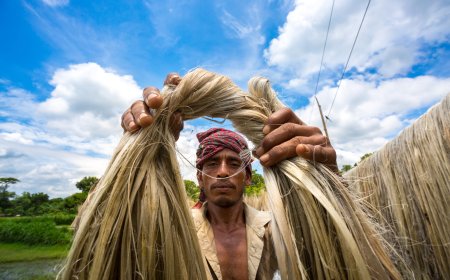
To save agriculture, we must bring back the farmer's lost traditional wisdom. Establishing community-based seed banks at the village level to preserve indigenous seed varieties is the ultimate demand of the hour.
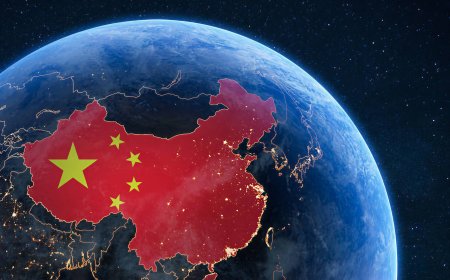
A genuine win-win partnership should create employment for Bangladeshis, strengthen Bangladeshi enterprises and build local capacity while providing Chinese businesses with opportunities in a growing market.

Safer to enter, harder to run: The revised rules may slow digital banks on their way to the underserved.
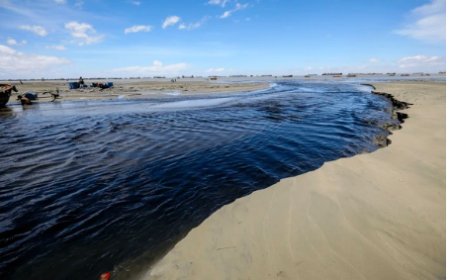
The historical responsibility for climate change belongs to the developed world, yet the extreme price is still being paid by our marginalized coastal people.
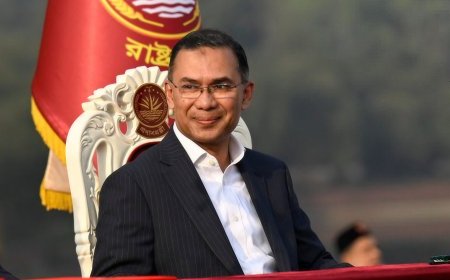
Bangladesh’s foreign policy has entered a period in which strategic balance, with the core guiding principle of “Bangladesh First” will be increasingly important.

If Amodei, Altman, and Musk actually believe what they're saying about the stakes, the test isn't whether they write an essay or post a tweet. It's whether they support external, binding, independently enforced rules that apply to everyone equally, including the possibility that a genuinely safer path is a slower, smaller AI industry than the one currently raising trillion-dollar valuations.

Energy security therefore needs to be considered not simply as an energy sector issue, but as an important component of Bangladesh's broader economic security.