





































































Bangladesh Must Balance Economic Vigilance with Policy Prudence
Bangladesh’s reserves have already come under pressure from import costs and exchange-rate changes; indiscriminate assistance could speed up reserve losses and fuel inflation. Trade, revenue and port agencies should speed up customs procedures and eliminate unnecessary logistics expenses.


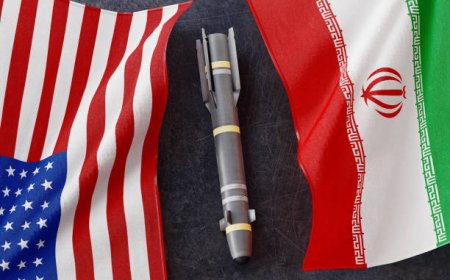
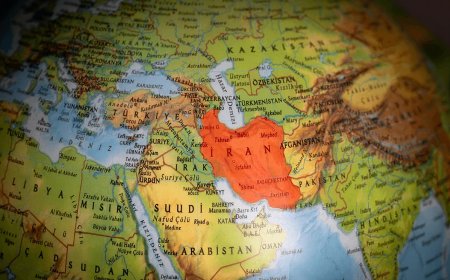
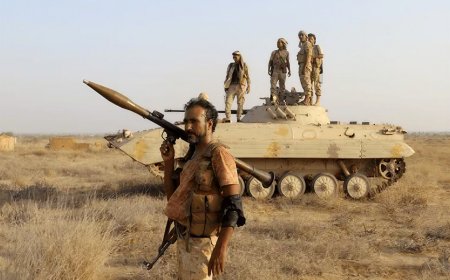
The conflict involving Iran and the Houthi attacks on Saudi Arabia pose serious risks to Bangladesh’s energy imports, exports, remittances, and supply chains. However, the scale of the threat must be evaluated carefully.
Bangladesh remains exposed to external shocks, but it is not necessarily on the verge of an immediate economic crisis. A calibrated response, rather than emergency action across all sectors, would do more to safeguard public finances and maintain investor confidence.
Bangladesh imports about 95% of its petroleum needs, leaving industries vulnerable to rising energy prices. The country’s annual petroleum import bill is estimated at $6-8 billion; a prolonged 10% increase in global oil prices could consequently raise import expenses by around $600-800 million.
Still, the final impact would depend on how long prices remain high, the mix of fuels Bangladesh purchases, domestic subsidies and movements in the exchange rate. A brief surge would not automatically create a permanent $800 million loss. In addition, Bangladesh’s merchandise exports exceed $50 billion, while annual remittances have crossed $20 billion.
These inflows offer some protection against a temporary worsening of the import bill.
The garment industry generates roughly 80% of merchandise exports and provides employment to more than 4 million people. Its dependence on international demand is undeniable, but its main vulnerabilities extend beyond shipping disruptions in the Middle East. Bangladesh’s apparel producers are chiefly connected to buyers in the European Union and the United States, which together represent a major portion of garment exports.
Higher freight charges or longer delivery periods could create pressure, yet many companies can alter sourcing arrangements, redirect shipments or renegotiate delivery timelines. A 5% reduction in export orders could threaten billions of dollars in yearly revenue, but that possibility should be viewed as a scenario, not a prediction.
Saudi Arabia sends nearly $6 billion a year in remittances to Bangladesh, out of a total exceeding $20 billion. This makes the kingdom a major source, but it also shows that about three-quarters of remittance earnings come from other countries.
Bangladeshi workers are spread across the Gulf, Southeast Asia, Europe and North America. A disruption involving Saudi Arabia would be significant, but it would not necessarily result in a nationwide collapse in remittances.
The government should track employment, wages, and payment systems, while reserving broad emergency action for signs of prolonged disruption.
The government should create a small monitoring task force bringing together the central bank, energy agencies, exporters, shipping firms and representatives of migrant workers. Its initial role should be gathering reliable information rather than introducing blanket measures.
Authorities should release weekly updates on crude prices, freight charges, fuel stocks, remittance flows, port congestion and export orders. Clear data would help policymakers separate short-term turbulence from a deeper structural shock.
Energy security requires attention, but a rapid expansion of strategic reserves could be expensive. Bangladesh should assess the fiscal and logistical advantages before buying more fuel at elevated prices.
If every $10 rise in crude prices adds about $1 billion to the import bill, purchasing large quantities during a price surge could intensify the foreign-exchange strain that the policy seeks to ease. A more practical strategy would involve diversifying suppliers, improving procurement agreements, cutting technical losses and promoting targeted conservation among major industrial consumers.
The central bank should preserve sufficient dollar liquidity while avoiding the impression that unlimited foreign-exchange assistance will be available. Targeted refinancing for exporters and small and medium-sized businesses could be appropriate when companies face temporary payment disruptions.
Yet subsidized lending should have fixed time limits, operate transparently and be tied to employment or export results.
Bangladesh’s reserves have already come under pressure from import costs and exchange-rate changes; indiscriminate assistance could speed up reserve losses and fuel inflation.
Trade, revenue and port agencies should speed up customs procedures and eliminate unnecessary logistics expenses. These improvements would be useful even in the absence of a regional security emergency. Congestion has affected Bangladesh’s ports, and delays increase costs for both exporters and importers.
Digital paperwork, longer operating schedules and risk-based inspections could raise efficiency without requiring a major fiscal programme. Preserving competitiveness should begin with removing administrative obstacles rather than reimbursing every company for higher international prices.
The government should also work with relevant agencies to protect migrant workers through emergency consular support, dependable wage-transfer systems and accurate information about employment conditions. Remittances from Saudi Arabia and other Gulf states sustain millions of Bangladeshi families, but policymakers should avoid exaggerating the probability of disruption.
Expanding formal remittance services, lowering transfer charges and improving worker documentation would deliver more lasting gains than temporary subsidies.
Renewable energy development should move faster, although it cannot quickly replace imported petroleum. Solar power, energy-saving measures and domestic gas production can lower long-term exposure, while industrial users should be encouraged to adopt efficient equipment and on-site renewable generation.
These initiatives require years of investment and planning; portraying them as immediate remedies would be unrealistic.
Bangladesh should consequently implement a time-limited contingency framework with specific thresholds, assigned responsibilities and routine reviews. Emergency assistance should begin if oil prices stay high for several months, remittances drop substantially, port delays pass established limits or export orders weaken significantly.
Until such conditions arise, the focus should remain on careful procurement, open data, targeted liquidity and administrative improvements. The country faces real dangers, but disciplined preparation is more effective than a broad crisis package built on worst-case expectations.
Asif Ibrahim is a former president of Dhaka Chamber of Commerce and Industry (DCCI).