





































































The Houthis, the Red Sea, and the Cost to Bangladesh
Bangladesh's economic prospects depend partially on how successfully it can navigate an international trade environment that has become increasingly defined by geopolitical rivalries.

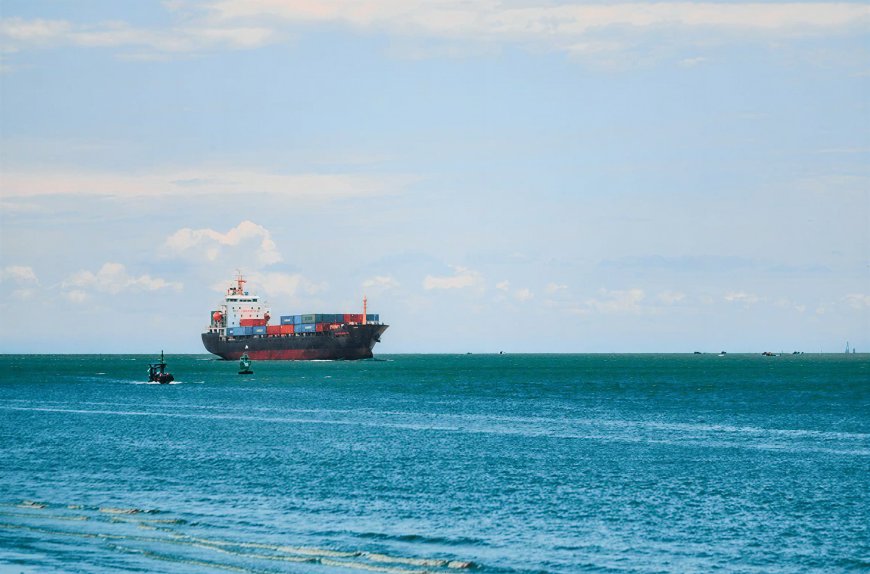
A war doesn't have to cross a country's border before it impacts that country's economy. Sometimes, just as bad is when a trade route gets too risky for ships to use. A clear example can be found in the Red Sea crisis.
After commercial ships were attacked by Yemen's Houthi movement, and then military actions were taken in response, which resulted in an increase in regional tensions, a shipping lane that connects Asian manufacturing hubs to European markets has been affected.
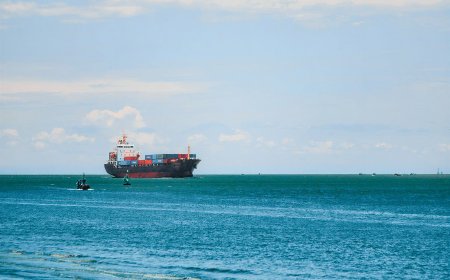
As such, some of the ships that would normally use the Red Sea and Suez Canal are now traveling around the Cape of Good Hope. This change in route has increased the distance traveled, the amount of fuel used, the time it takes to deliver goods, and the overall cost of operations. This is more than just a far away political conflict.
This is an economic threat that has serious consequences for the country's export industry, import needs, energy supply, and the well being of the population. A country so heavily reliant upon global commerce cannot simply ignore issues with how their products get from point A to point B.
The United Nations Conference on Trade and Development's Review of Maritime Transport 2025 outlines that the global maritime trade industry is facing increasing costs, a brittle supply chain and a degree of unpredictability due to shifting geopolitical dynamics altering shipping routes.
This document illustrates how re-routing ships around Africa has resulted in longer voyages, thus leading to higher freight rates. Therefore, the issue for Bangladesh is not whether it can control events in the Red Sea. Bangladesh does not have control.
However, a much more relevant issue is whether Bangladesh can mitigate the negative economic effects resulting from disruptions that it cannot influence.
A distant conflict with global consequences
The Red Sea connects the Indian Ocean to the Mediterranean Sea via the Bab el-Mandeb Strait and the Suez Canal. For the purpose of trade between Asia and Europe, the Red Sea provides an alternative to the long voyage required by traveling around Southern Africa.
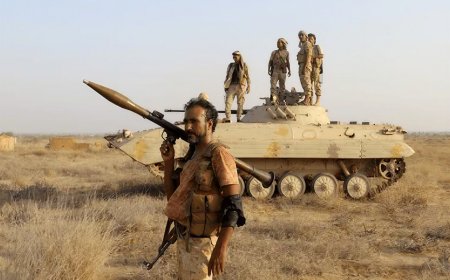
Since late 2023, the Houthis have been carrying out attacks on merchant shipping. This has been portrayed by them as being part of their campaign against Israel's war with Gaza. However, these attacks are creating risks that go beyond the two parties that are actively engaged in combat.
All of the following merchant vessels, civilian crews, shipping companies and global supply chains are now experiencing the negative effects of the increasing lack of safety. The way that this operates is very simple.
If a company that operates ships believes that a particular route on which those ships travel is too dangerous to use, it can choose to send its ships around the Cape of Good Hope. As a result of this decision, the ships will have to stay on the water for a greater amount of time, use more fuel, and will be unable to take on additional jobs for a longer period of time.
In addition to these issues, the cost of insurance for the company and the costs associated with running the ship are likely to increase, and the time it takes to deliver goods will become even harder to predict.
According to the International Monetary Fund's report titled Red Sea Attacks Disrupt Global Trade, trade volumes through the Suez Canal dropped by 50% year-on-year in January and February of 2024.
In contrast, transit around the Cape of Good Hope increased rapidly and the diversion of routes added approximately 10 days to each shipment.
The above figures show how the effects of maritime insecurity can create a global economic issue long after the initial conflict. International trade doesn’t have to completely stop for a business or consumer to suffer. The increase in transport cost, delays in delivery, and worry over future shipments may cause serious problems for companies and consumers.
The results of this study have specific implications for Bangladesh as its economic development is reliant on both foreign inputs and foreign trade opportunities.
The vulnerability of an export-dependent economy
The ready-made garment (RMG) industry in Bangladesh is essential to the country's export revenue and employment. The success of RMG depends not only upon producing garments at a lower cost than other countries, but also upon having an efficient logistics system that can provide on-time deliveries and meet the standards set by foreign buyers.
If a vessel that travels between Europe and Asia avoids the Red Sea, it can cause the shipment to take longer than normal to arrive at its final destination. This delay can lead to major business problems for companies that have tight production schedules. International buyers make ordering decisions based upon seasonal demand, current stock levels and the timeline of the retail market.
If a shipment is delayed past its delivery date, it could be too late to maximize revenue from that particular product. Once a product does arrive at the specified location, exporters will likely be forced to renegotiate pricing, adjust delivery schedules, or offer increased competition for subsequent orders.
The consequences are not expected to affect all parties in the same manner. Larger manufacturers will typically possess larger cash flows, a wider variety of customers and more leverage when negotiating. Smaller businesses that frequently operate on smaller margins and limited cash flow will likely experience difficulties in absorbing unbudgeted costs.
There is a significant caveat. With regard to Free On Board (FOB) contracts, in general buyers will be responsible for the main international freight charges once the merchandise has been loaded onto the vessel at the agreed upon port.
In doing so, this could potentially provide Bangladeshi exporters with some relief from having to pay for additional freight charges in a direct manner. Although there is potential for relief, it is only partial. Buyers may still require lower prices, delay orders or switch their sourcing to other suppliers in the future.
The larger problem is that an economy's ability to compete in global trade is based on its entire supply chain and not just the expense associated with producing goods within a manufacturing facility.
In addition, the World Bank's document, Moving Forward: Connectivity and Logistics to Sustain Bangladesh’s Success, illustrates how improving both transport connectivity and logistics can lead to the continued growth of the Bangladeshi economy. The crisis in the Red Sea further illustrates that.
Although Bangladesh cannot eliminate the risks associated with geopolitics, it is able to enhance the domestic processes that will ultimately affect how quickly and efficiently its companies can react to those risks.
From shipping costs to household pressures
The impact of a disruption to shipping goes beyond just the exporters. Bangladesh relies heavily on imported goods such as oil/gas, industrial raw materials, equipment and other basic necessities. As a result of increased shipping costs, and/or late delivery times, the negative impacts will affect many different industries.
Energy security is of special concern. According to the US Energy Information Administration's analysis on Red Sea disruptions and how they have affected oil flow through the Cape of Good Hope, crude oil and petroleum products were transported around the Cape at a rate of approximately 50% higher than what was typically transported each month for the last five months of 2024 as opposed to the monthly average in 2023.
The agency stated that re-routing of traffic will result in higher cost for shipping and a longer travel time. These added costs may further increase the economic hardship that comes with obtaining energy sources from foreign countries like Bangladesh which imports most of its energy; especially during times when international energy costs are rising.
High shipping rates do not always result in an equal increase in domestic fuel prices. Many factors such as contracts, inventory levels, foreign currency exchange rates, government price regulation, and purchasing arrangements will determine what happens at the end of the day.
However, long-term disruptions can lead to higher prices for imported goods and greater uncertainty when it comes to planning. Industrial producers may experience an increase in costs for imported inputs.
Interruptions in production due to late delivery of raw materials, and high costs associated with transporting those raw materials can negatively impact profits. To deal with these issues, companies may decide to absorb the extra cost; delay investments; or pass on some of the added cost to customers.
Ultimately, families will experience some of that burden through higher prices for products and services and/or fewer job openings. Families with lower incomes are more likely to suffer as a result of the fact that the majority of their income is used to purchase food, transportation, and other basic necessities.
The Red Sea crisis alone does not explain the high inflation in Bangladesh. Inflation can be caused by domestic market conditions, exchange rate movements, supply constraints, and government policies.
A better way to state this is that maritime disruptions create another external force acting upon an economy that is already subjected to the fluctuations of the global economy.
The danger of overlapping geopolitical shocks
The Red Sea conflict shows us another problem with the world's trade system. A lot of the world's trade depends on a few major ocean pathways (chokepoints) that are used for shipping.
The Bab el-Mandeb strait and the Strait of Hormuz are two distinct bodies of water with varying levels of importance for global trade. If either is blocked, it could disrupt maritime shipping. However, the impact will vary based upon which types of goods are being shipped; whether there are other options for transporting those goods; and how long the blockages last.
If there is an increase in security risk in the Red Sea at the same time as other parts of the Middle East experience disruptions, then increased energy costs and longer shipping routes could create a reinforcing effect.
Business owners will be faced with higher import costs due to the combined effects of higher transportation expenses, delayed deliveries and uncertainty regarding future supply availability.
As a result, in the case of Bangladesh, there may be increased pressures on foreign currency needs, industrial production and on government budgets. Such a situation would likely complicate government efforts to provide affordable energy and to support low-income families.
This is a risk which requires us to prepare, it does not mean all potential problems are going to happen at once. The IMF's paper, More Diversified Trade Can Make Middle East and Central Asia More Resilient, describes how a lack of diversity in trading partners and logistical infrastructure can create vulnerability for many developing countries during times of global disruption.
As a result of this, Bangladesh should view increasing the number of suppliers, markets for exports and logistical options as a critical element of its national economic strategy; not simply a reaction to a crisis.
What Bangladesh should do
The primary goal is improved information. All parties involved (government agencies, port authorities, shipping companies, exporters and importers) require up-to-date evaluations of freight rates, insurance costs, route modifications and delivery schedules. An integrated monitoring system would allow for identification of emerging pressures prior to their being able to affect other areas of the economy.
Second, Bangladesh needs to improve its emergency preparedness planning for imported goods. Importing from different countries, looking into alternative ways of transporting imported goods, and having enough reserve stocks of important goods will help minimize the potential effects of long-term shortages.
However, any such improvements should be evaluated using realistic cost-benefit analyses. Alternative transport routes may not always be less expensive than current ones.
Similarly, holding large amounts of reserves of important goods also requires resource allocation. Therefore, Bangladesh should assess what would be viable alternatives prior to being forced to make decisions under pressure during a crisis.
In addition to these other three improvements, we also need to continue to improve our internal logistical system. We will be able to better deal with the uncertainties of the global supply chain if we have more efficient port operations, less unpredictable customs processes, more reliable cargo tracking capabilities, and stronger relationships between exporters and shipping companies.
Although we cannot use internal logistical systems to make the international shipping lanes any safer, we can use them to minimize the added expenses resulting from internal inefficiencies.
Fourth, small exporters should be able to get easier access to financing for trade, accurate shipping information, and tools that help manage risks. Bigger companies tend to have more clout when negotiating with overseas customers and can also absorb unexpected expenses.
If small manufacturers do not receive specific assistance, they could suffer disproportionately large losses each time there is an increase in freight rates or delays in delivery.
Bangladesh must develop more products that can be exported. In addition to expanding what it sells abroad, Bangladesh needs to become more active in the international supply chain.
The Asian Development Bank's study of Bangladesh’s trade and global value chains has provided a wider context for understanding the need to increase productivity, expand product offerings, and establish stronger links with businesses in other countries.
The final point is that diplomatic engagement is important. Bangladesh needs to support international efforts to protect commercial shipping, keep civilian crew members safe, and maintain the right of navigation.
International law and diplomacy will be key in reducing maritime insecurity. Military actions which result in increased instability within the region can cause harm to many other nations than those directly involved in a conflict.
In addition, economic preparedness must also incorporate social safety nets. When an exogenous event creates inflationary pressures or employment related pressure on vulnerable households, those families should not have to bear the full brunt of the impacts by themselves.
Clear communications, directed aid, and competent fiscal management can help share the costs of the shock more equitably.
Security is also a question of economic justice
The Red Sea crisis illustrates a core issue concerning the connection between political conflict and fair treatment in economics. Decisions made by armed groups, local authorities and large militaries can cause disruptions to trading routes that millions of people rely upon, some of whom have zero control over the conflicts.
The fact that the Houthi's have clearly defined their political goals does not reduce the risk their attacks represent to commercial vessels and civil crew.
At the same time, any military response which increases instability could increase the negative impacts of the disruption you want to limit. Both protecting the rights of navigation, protecting civilians and pursuing a political solution should be viewed as related goals.
For Bangladesh, the implications are practical. The cost of global instability could potentially fall on the shoulders of the factory workers, small business owners, importers that depend on foreign goods and on the families who have trouble making ends meet every day.
Although none of these people caused the conflict, they will likely experience some of the financial consequences. A resilient economy needs to be able to continue trading. It also has to look at how much each country will pay if trade is interrupted.
To help make sure that a shock from outside doesn't put too much pressure on the countries that cannot handle it, there should be better plans for emergencies, improved logistics systems and adequate social protections.
Bangladesh cannot tell us if there will be more Houthi attacks on the ships that use the Red Sea; if the situation in the region is going to get worse; or when the shipping lines will feel comfortable enough to start sailing in the Red Sea again.
But what it can do is help prepare Bangladesh's government agencies and private sector for the effects of these uncertainties. International studies demonstrate that disruptions to shipping routes may result in higher shipping fees, longer delivery times, and strain on international supply chains.
These risks should receive due consideration from countries which rely heavily on imports of fuel and the export of manufactured goods. There's no need to worry (alarmism), nor should we be satisfied (complacency).
Instead, we need a realistic plan based on accurate data, many different sources of supplies, effective port operations, better export potential and safety nets for vulnerable families.
Bangladesh's economic prospects depend partially on how successfully it can navigate an international trade environment that has become increasingly defined by geopolitical rivalries.
The Red Sea crisis must lead to a more comprehensive review of how the country prepares for and responds to international economic shocks. The war may be happening many thousands of miles away from us; however, the effects of that war will spread through the world's economy very quickly.
For Bangladesh, the distance is physical. The vulnerability is internal.
Md Shihab Uddin is an independent researcher and a student of Folklore and Social Development Studies at the University of Rajshahi. He may be contacted at [email protected].