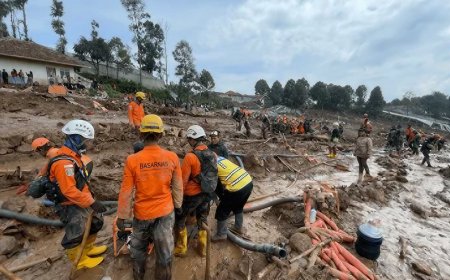































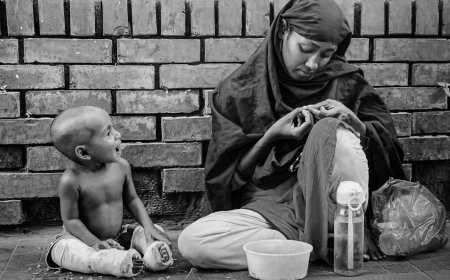



































Hunger rarely appears alone; it is accompanied by indebtedness, illness, labour precarity, and social exclusion.
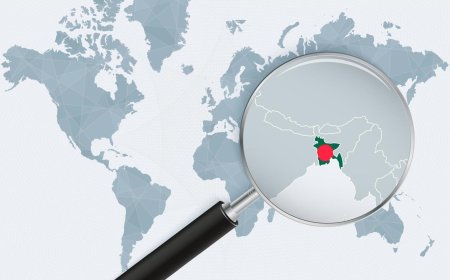
The country maintains an extensive diplomatic presence, with around 83 missions abroad, including embassies, high commissions, and consulates.
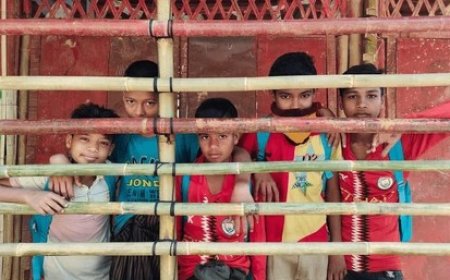
Bangladesh finds itself in a cruel diplomatic trap. Everybody says “patience,” but no one is stepping up to share the cost.

Disorder in Dhaka is not always accidental. It is often profitable.

There is a sensible way out, and it lies inside the Constitution, not outside it. If the new government wants to preserve the Reform Council model, it should table a constitutional amendment under Article 142 defining the Council’s status, powers, voting threshold, relation to Parliament, and oath.

It is now part of the international customary law that no states are allowed to use the international watercourses even in their own territories, in such a way that would cause significant harm to other basin states or to their environment.
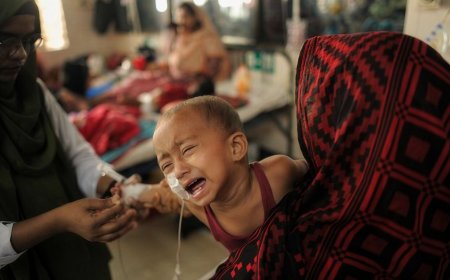
Parents must trust that vaccines are available, safe, and reliably delivered and that the health system stands with them. This trust cannot be built through campaigns alone. It requires sustained community engagement, local leadership, and transparent communication.

He can keep the portfolio as a badge of party confidence. Or he can turn it into something rarer in our politics: A record. And if he wants that record to mean anything, he should begin by demanding answers from Facebook and YouTube.

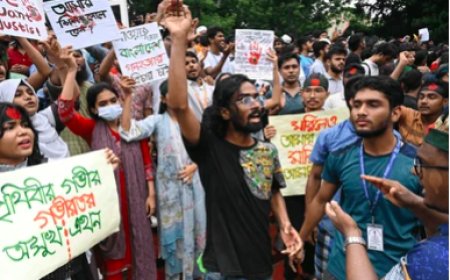
It is striking that nearly two years after a youth led uprising that was triggered by protests about jobs, the economy is largely absent from public discourse. This may be the ultimate July betrayal of them all.

At a time when investor confidence is closely tied to perceptions of policy stability and transparency, a structured and inclusive engagement framework sends a powerful signal. It tells both domestic and international investors that policymaking is consultative, predictable, and responsive.
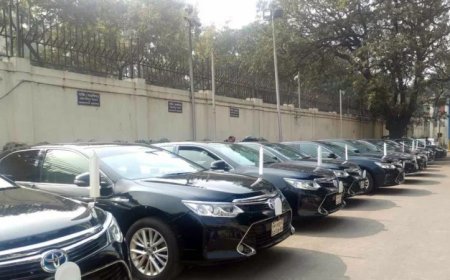
Money is not free. Interest-free loans do not eliminate cost; they merely obscure it. Whether financed through budgetary allocations or institutional balance sheets, the subsidy embedded in such loans must ultimately be borne by someone.

The ordinances concerning the Human Rights Commission, the Anti-Corruption Commission, and the prevention of enforced disappearances, are all directly aimed at protecting citizens’ rights, and maintaining the separation of powers. Rendering them ineffective is deeply disappointing from the perspective of citizens.

Strengthening healthcare services means investing in frontline workers, improving facility readiness, ensuring reliable supplies of essential medicines, and better integrating services across the continuum of care.

Bangladesh is not short of clever people or workable ideas. What we are short of is institutional willingness to treat a crisis as something other than an inconvenience to be weathered.
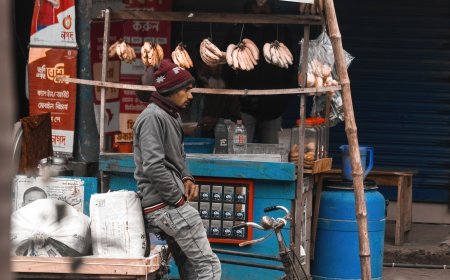
Albert Camus wrote that we must imagine Sisyphus happy but for those caught in Bangladesh’s cycles of performative governance, happiness is not the point. Each new deadline, each “operation,” each raid is a boulder pushed up the hill. The problem rolls back down, and we begin again.

Justice must not only be done but must be seen to be done; impartially, consistently, and without fear or favor. For ordinary citizens to trust the system, they must believe that the law protects them equally, regardless of wealth, influence, or affiliation.