

































































Climate activists paint a dire picture of rising temperatures devastating crops and fueling famine, but they are mostly wrong. Climate change will alter farming conditions, benefiting some areas, challenging others, with a net negative but negligible impact.

A higher public-sector wage bill may be justified, but without revenue reform and administrative restructuring, it could narrow Bangladesh's fiscal space for years to come.

Bangladesh does not need a government that owns everything. It needs a government that has the political will to solve issues from the perspective of its citizens and not of the ruling class.

Humans are not passive recipients of incentives; they are active interpreters who respond creatively, strategically, and sometimes opportunistically.
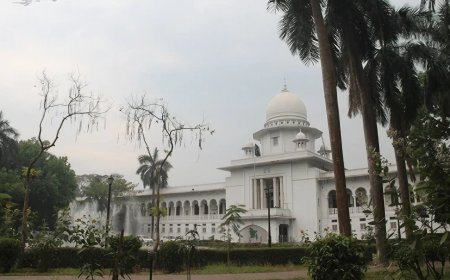
Democracies flourish when institutions remain stronger than personalities and when constitutional principles remain superior to partisan interests. Bangladesh's future cannot be secured through improvised arrangements or symbolic declarations alone.

A budget succeeds not because it contains attractive numbers but because citizens, investors, entrepreneurs, and international partners trust those numbers.
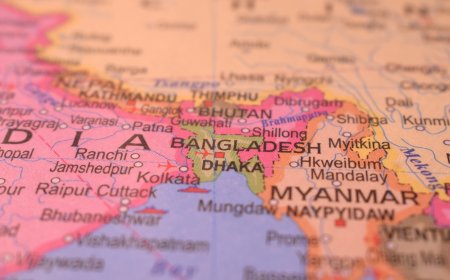
The binary is brutally simple. Nations that negotiate as supplicants get extracted. Nations that negotiate as sovereigns get developed.
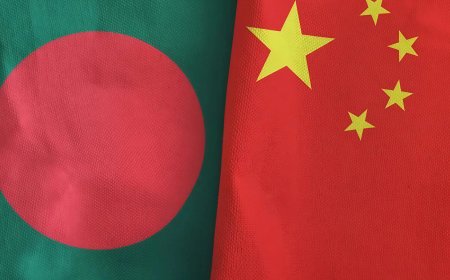
Tarique Rahman’s expected Malaysia-China sequence is a necessary correction to an India-centric past. Malaysia gives the visit diplomatic balance and China gives it strategic weight. But the correction will only succeed if it produces a wider foreign-policy basket without chipping away at Bangladesh’s sovereign decision-making space.

The most successful developmental states were not necessarily those that possessed perfect knowledge from the outset. Rather, they were states capable of learning rapidly, adjusting policies pragmatically, and building institutional memory over time.
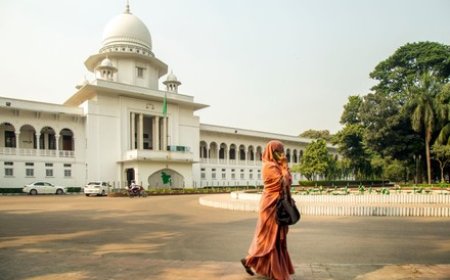
The problem is not only that laws fail after harm occurs, but that outdated laws make women unsure whether what they are facing is legally recognized as harm or not.
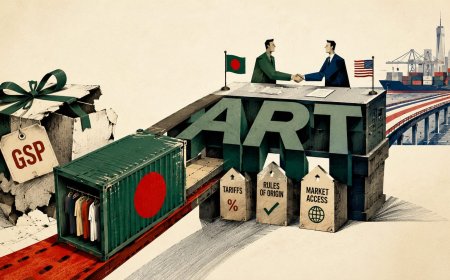
Global trade politics are changing. Reciprocity now matters far more in Washington than it once did.

The generation gap becomes dangerous only when generations stop listening to one another. When experience and innovation walk side by side, education becomes what it is truly meant to be -- a bridge between the past and the future

As Bangladesh aspires to become a developed and knowledge-based economy, strengthening intellectual property protection must become a national priority.
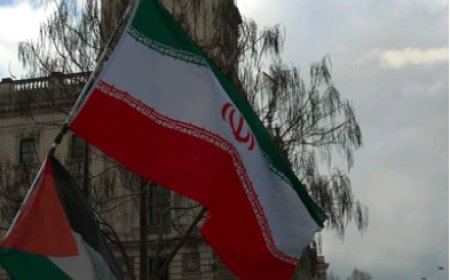
Not only must the war around the world be stopped, but any illegitimate war anywhere in the world must also be treated as a war against humanity.
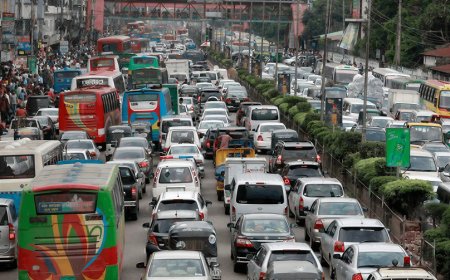
In many ways, the deployment of AI-controlled traffic signals represents a test of whether Dhaka is prepared to embrace smarter urban governance.

For many, the desire to contribute extends far beyond remittances -- it reflects a deep and enduring connection to the country.