


























































Decency, Please
We cannot build a healthier political culture while treating humiliation as entertainment whenever it happens to someone we dislike. Disagreement is part of public life; cruelty does not have to be.

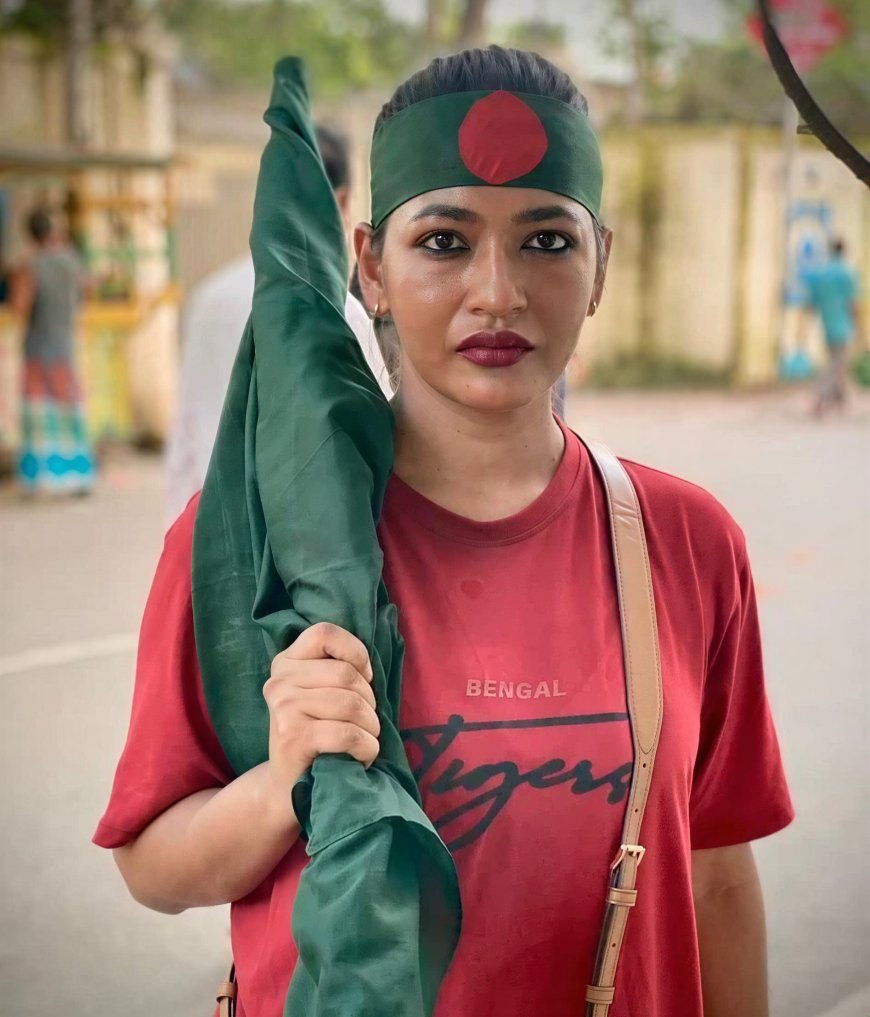
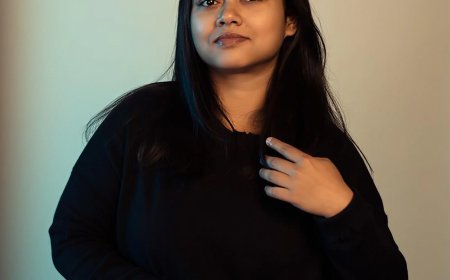
The attack on the actress Azmeri Haque Badhon in Italy this week deserves unequivocal condemnation. Badhon was in Mestre for the Venice Film Festival.
She was in a local park with her brother and his young child when a group of expatriate Bangladeshis surrounded her, threw water, soft drinks and eggs, struck her near the ear and knocked away her phone.
Several of them identified themselves as supporters of the Awami League and its banned student wing.
What makes it worse is that Badhon is not a political figure in any meaningful sense. She is an actress who spoke publicly during the July uprising, as many citizens did. Targeting her would be indefensible even if she held party office.
That she holds none, and was attacked anyway, suggests how little provocation is now thought necessary.
Worse still is what followed. The attackers recorded the incident themselves, pressing her to say "Joy Bangla, Joy Bangabandhu" while the camera ran, and the footage was then circulated online by people who appeared to consider it a victory.
It is hard to see what they believed the video established. A woman was cornered in a public park in front of a child. Whatever those images diminish, it is not her.
This cannot, however, become an argument about the misconduct of one political camp alone. Bangladesh has seen similar behaviour from people across the political spectrum.
When actress Rokeya Prachi and others were attacked at Dhanmondi 32 while attempting to pay tribute to Sheikh Mujibur Rahman in August 2024, the incident should have been dealt with firmly and without political calculation.
More recently, people visiting Dhanmondi 32 to pay tribute were again assaulted by men identifying themselves as July activists.
Every such incident that goes insufficiently condemned makes the next one easier.
It is deeply troubling when political allegiance becomes a reason to suspend the basic standards of decency we owe one another. We have become too accustomed to people being threatened, chased, humiliated or assaulted because they happen to stand on the wrong side of a political divide.
More than anything else, the Badhon incident is revealing because of the sheer lack of decency underlying it.
Political disagreement is inevitable. Anger is inevitable. Even profound disagreement over Bangladesh’s history and politics is inevitable. Physical intimidation should not be.
The question, then, is whether we can begin with something more basic than political reconciliation. Can we start by restoring the idea that another person’s dignity is not contingent on whether we agree with them?
Political parties and their supporters have a responsibility to condemn such conduct consistently, regardless of who is responsible. If an attack is wrong when directed at one political camp, it must remain wrong when directed at another.
The wider public should expect no less. We cannot build a healthier political culture while treating humiliation as entertainment whenever it happens to someone we dislike.
Disagreement is part of public life; cruelty does not have to be. There ought to be enough distance between the two for us to recognize the difference.
Perhaps that is where rebuilding a decent public square has to begin.