
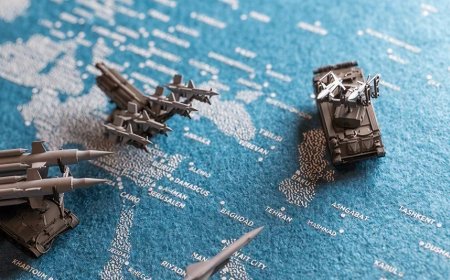




























































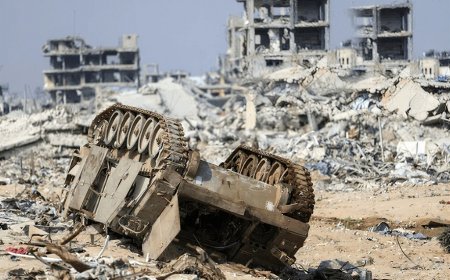
The US is out of options with bombs and blockades. A blockade is partial. The bombs have been shown not to work. We see diminishing rate of sorties all the time, now a tiny fraction of the sortie rate that the US is usually accustomed to.
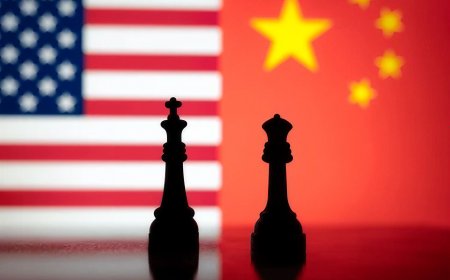
China leads in AI publication volume, citations, patent output and industrial robot installations, while the US retains advantages in notable model development, high-impact patents and investment.
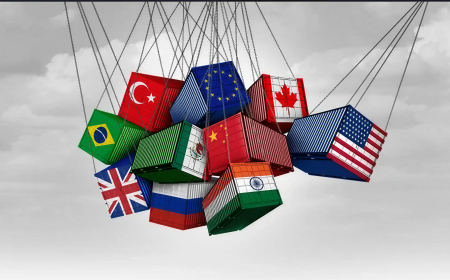
Engagement with China is presented as proof of resistance against Western dominance. Good relations with India become synonymous with regional stability. Foreign policy becomes a performance of political identity rather than a framework for advancing long-term national interests.
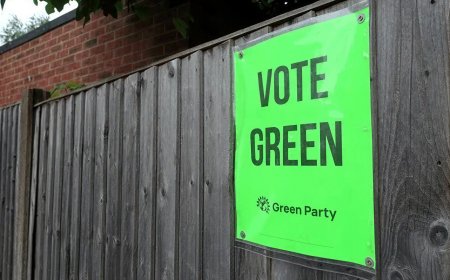
What started as a protest became politics. What was once dismissed as extreme is now the subject of international summits. The questions Green activists were asking 50 years ago -- how do we live within the limits of this planet, and who pays when we do not -- are still the most important questions today.
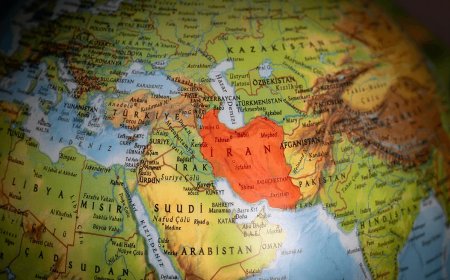
The ceasefire has created an opportunity. Whether the parties seize it will depend not only on the negotiators in the room but also on political leaders willing to accept outcomes short of their maximalist positions. Transforming that opportunity into lasting peace remains the region's greatest challenge.
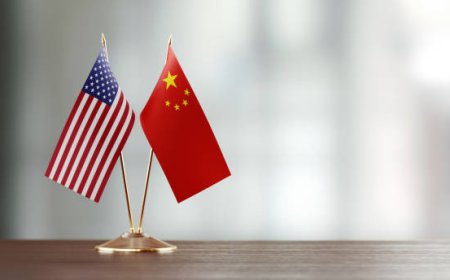
The Chinese leaders learned it well, as was evident in his call to Mr. Trump in the opening remarks of Chinese Premier Mr. Xi Jinping, who urged him to avoid falling into the Thucydides trap and embrace peace for global prosperity. But at the close of the talk, the disturbing global concerns may be: is there a second Kissinger, or a President like Nixon, to achieve the same?
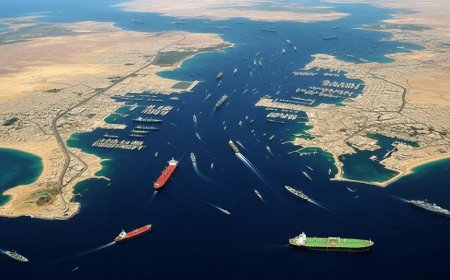
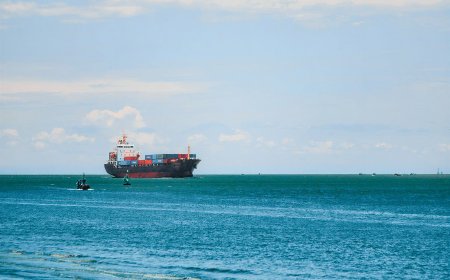
For Bangladesh and other maritime-dependent nations, the lesson is clear. Security can no longer be conceived in predominantly territorial terms. It must be understood as a function of connectivity, resilience, and access -- all of which are fundamentally maritime.
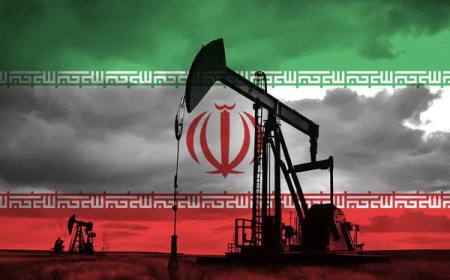
If Iran is honorably invited back into the financial system its 90 million refined and energetic people, backed by huge oil wealth, will be able to make the greatest possible contribution to strengthening not only the whole world economy but specifically to saving the US currency.
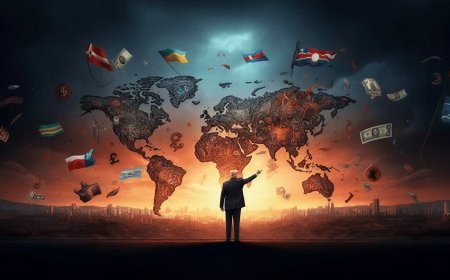
The final irony of our current moment is that while the world watches the dramatic surface conflicts and the crises that dominate headlines and social media feeds, the deeper system is already adjusting, already adapting, already moving towards a different configuration.
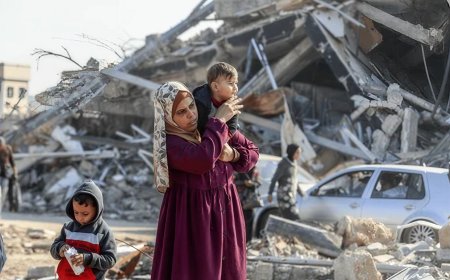
For civilians, of course, the distinction between pause and resolution may seem academic. The absence of immediate violence is a tangible relief. But from a structural perspective, the conditions that produced the war remain unchanged.
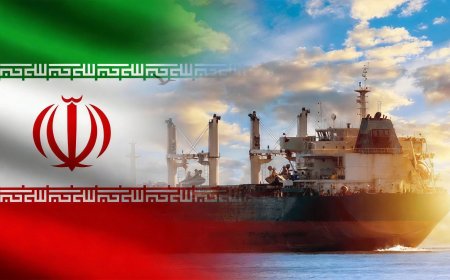
The strategic balance of the world has changed because from this point onwards. Future crises will be shaped by deterrence from multiple directions. The lesson from Iran’s victory is nothing short of a paradigm shift
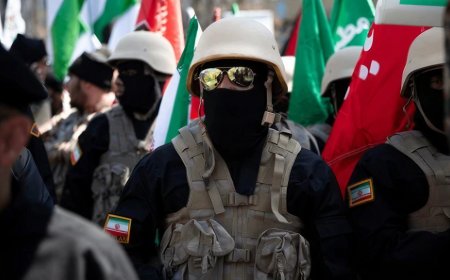
Former American Secretary of Defense Donald Rumsfeld’s phrase “unknown unknowns” best captures the near impossibility of predicting what comes next. That said, the ongoing Iran-United States ceasefire, offers a brief window of opportunity to take stock: A highly precarious, at best partial, cooling-off period in a region that remains very much in turmoil.
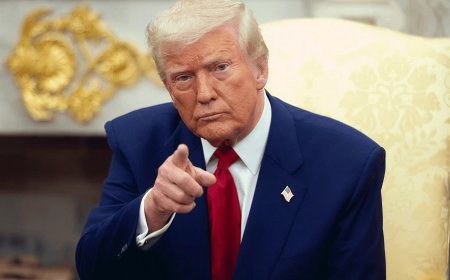
It is a clear admission that the war failed to deliver its stated objectives. No regime change, no oil conquest, no uncontested control of the Strait of Hormuz, no elimination of Iranian nuclear capabilities without serious concessions.

The Strait of Hormuz is in crisis, disrupting the global economy. Asia, in particular, faces a coming storm with a prolonged closure -- the Strait carries the lifeblood of Asia's economy.
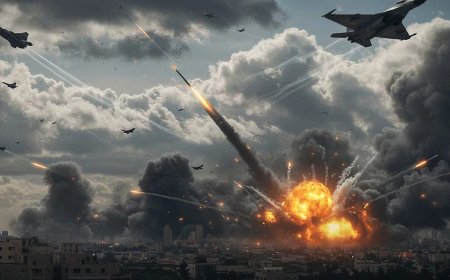
From the Strait of Hormuz to the Bay of Bengal, the United States is fighting a war it has never fully declared -- one waged not against Tehran or Caracas, but against the architecture of a Chinese-led economic order.