



























































The Clock is Ticking
The nation needs a doctrine to specifically define what the state should exist for and what it should deposit into the people's account for a longer term than an electoral cycle. The plan can be subordinated to the doctrine to ensure continuity of governance, not of party.


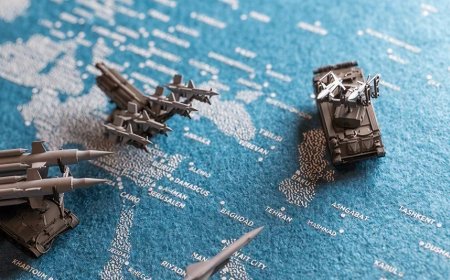
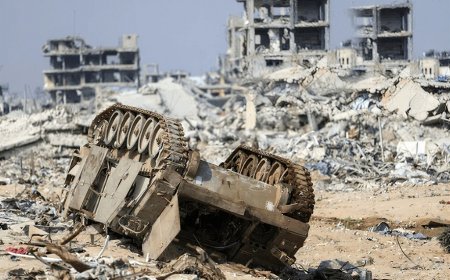
The uncertainty surrounding the Iran War and its ripple effects on the global energy supply is prompting the development of newer security architectures. The push-and-pull strategy of the US through different mediators behind the scenes, on the one hand, and menacing Iran with newer threats on the other, has yet to demonstrate a clear end state.
For Bangladesh, the security of energy, water, food, remittance flows, exports and imports, etc. is contingent on the interplay of powerful actors. Given its reliance on foreign actors for most of its security needs, setting priorities and joining the right alliances is an equally difficult task for Bangladesh amid the pressures of domestic politics, opposing views among the diplomatic intelligentsia, the foreign ministry's capacity for absorption, and international actors.
The abysmal internal economy, affected by fiscal mismanagement of the last regime, is struggling to support the government in managing its operating costs due to abysmal revenue collection, let alone funding development projects to add velocity to the economy.
The impact of the pause in energy supply chain management, which is worsening the overall economy and people's daily lives, reveals the government's unpreparedness. The six months of the new political dispensation aren’t enough time or scope to demonstrate its strategic skill in governing the state.
The cabinet reshuffle in this short span of time is unlikely to have any impact, but rather to be questioned for its logic. Under these harsh realities, what could indicate the party's goodwill and capacity to handle future challenges, whether arising from internal dynamics or external global pressures?
What would convince the people that the party they elected would deliver on its promises? How will the initial actions at the start of governance influence long-term outcomes, especially when the nation needs to solidify its strategy? Are these part of the ‘Plan’ that the very start of the election campaign resonated with before one of the largest crowds that the party could amass before assuming power?
The personal intent and deeds of the Prime Minister to be austere in the use of energy in office, punctuality, sharing the burden of daily traffic congestion, underplaying the personal security needs or unnecessary protocols, and displaying a respectful demeanor -- these can bring comfort to people who, for the first time, feel genuinely empowered.
The segment of the population unaccustomed to looking beyond immediate needs may feel reassured by this good demeanor; the broader segment, however, will look for strategic acts that serve long-term goals. For the current government, understanding strategy is crucial for managing these national and international crises with clear national goals.
Unless a comprehensive strategy is formulated to run the government, no pilot project aligned with any promised manifesto will enable the government to succeed and secure future terms. Actions without strategic ends will merge with populism and draw the attention of the uninformed segment of the population, which, in the digital age, is meager.
The questions might pop up sooner: Can austerity measures like energy savings or punctual office attendance help save the nation from pervasive corruption; can savings from sharing the burden of traffic congestion, cutting security needs, and skipping non-essential protocols reverse the distressed state of the national economy?
How long does the country need for its government to run its office from constant borrowing from public and private savings rather than managing it from its revenue collection?
How long will the country wait to see that the national economy is not shackled to earnings from the apparel sector alone and remittances? When can the country include the informal economy in the national revenue collection process without being inhumane?
How can monetary stability in a devastated economy be revived under the current central bank management system? When can the heads of national institutions be selected not based on the loyalty of the party but rather on skills?
Can punctuality in the office ensure a punctual supply of energy to the economy and daily lives, a punctual national reform process, and a punctual judicial process for all who committed crimes against humanity during the July Revolution?
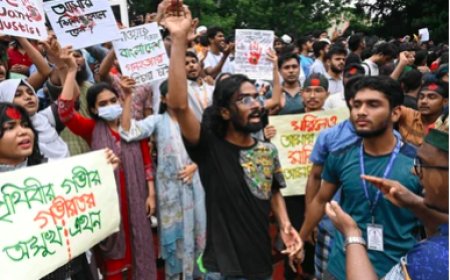
The opposition, not strong in numbers but in philosophy aligned with the ‘Spirit of July ’, is watching with patience rather than with haste to topple the government. The members of parliament from the youth, who make up a significant number, have a strategic vision to challenge traditional politicians who once relied more on deceit than on delivery.
In the age of social media dominance, deflection from the truth will be difficult, and the power of opposition will not rest only with the opposition party but also in the hands of people on the streets outside parliament. Deception is no longer an option; promises are no longer only pre-election lip service; an elected term is no longer a guarantee of five years; accountability of the parliamentarian is no longer only to the party head; and transparency is not only guaranteed through state institutions but also by watchful people who empower themselves.
The test of the government's endurance will depend on how soon it can restore disrupted energy supplies and hold the mouths of important ministers to prevent them from releasing words of inability regarding promises made before the election.
The nation can’t afford the failure of government, and good personal examples, along with whatever good intentions the premier himself displays, might be futile against the need for competence.
Its absence will fail to balance the youth's demand to organize an independent and dignified state with the status quo, benefiting the privileged segment of the population.
The train will not stop for long on the platform for vacillating foreign policy objectives between hard and soft postures. The mainstream media might again inflate the premier's good deeds out of proportion, and obscure governmental mismanagement of public needs.
The clock is ticking faster than five years can pass; a naive confession of the government's inability to secure energy for the next two years might not only infuriate parliamentary debates but also warm up the streets again. There is no space for failure; failure of the government is the failure of the nation, which neither the opposition party nor people in the streets wish.
The nation needs a doctrine to specifically define what the state should exist for and what it should deposit into the people's account for a longer term than an electoral cycle. The plan can be subordinated to the doctrine to ensure continuity of governance, not of party.
Pounds can be accumulated by saving many pennies, but once the pounds are gone, just as many pennies are needed to make a pound; the result might not reflect the true value of the sacrifice made by saving all those pennies.
Brigadier General AF Jaglul Ahmed (Retd) is a regular contributor to national dailies. He can be reached at [email protected].