




















































![A Ledger of the Soul: Navigating the Allah-Bhagavant Nexus in a 19th-Century Puruṣākāra Jñāna Caupara [Gyan Chauper]](https://counterpointbd.com/uploads/images/202608/image_430x256_6a93baa3b09a7.jpg)





















The Role of Collagen
Collagen, a fibrous protein composed primarily of glycine, proline, and hydroxyproline, is particularly important during the proliferative and remodeling phases. Without sufficient collagen synthesis, wounds may heal slowly, remain fragile, or become susceptible to infection and reopening.
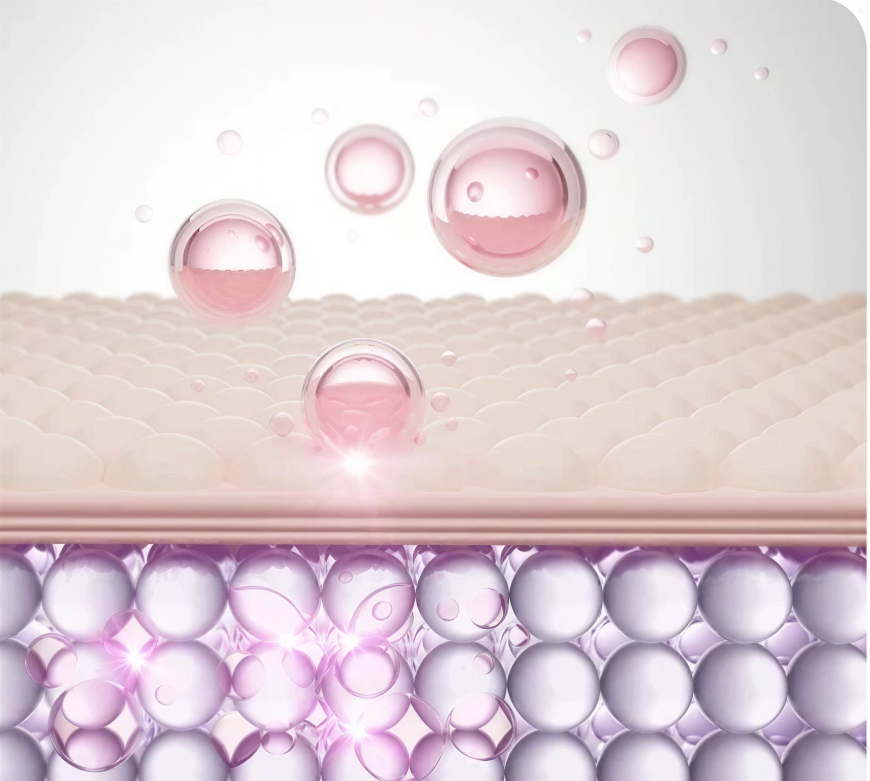
Wound healing is a remarkable biological process that restores the integrity of damaged tissues following injury, surgery, burns, or chronic diseases.
Although modern medicine offers advanced treatments for wound management, nutrition remains one of the most fundamental yet often overlooked factors influencing recovery. Among the many nutritional components involved in tissue repair, collagen plays a particularly critical role.
As the most abundant protein in the human body, collagen serves as the structural framework for skin, tendons, ligaments, and connective tissues. Its synthesis and maintenance are essential for effective wound healing. Understanding the relationship between nutrition, collagen production, and tissue repair can help healthcare professionals and patients improve healing outcomes and reduce complications.
Wound healing occurs through a series of complex and overlapping stages: hemostasis, inflammation, proliferation, and remodeling. During the initial stage, blood clotting prevents excessive blood loss and creates a temporary matrix for healing.
The inflammatory phase follows, during which immune cells remove bacteria, debris, and damaged tissue. In the proliferative phase, new blood vessels form, fibroblasts produce collagen, and granulation tissue develops.
Finally, the remodeling stage strengthens the repaired tissue through collagen reorganization and maturation. Nutrition influences every stage of this process, making adequate dietary intake a prerequisite for successful recovery.
Protein is often regarded as the cornerstone of wound healing because it supplies the amino acids required for tissue repair.
Collagen, a fibrous protein composed primarily of glycine, proline, and hydroxyproline, is particularly important during the proliferative and remodeling phases. It provides structural support to newly formed tissues, contributes to wound tensile strength, and facilitates the formation of extracellular matrices that guide cellular repair. Without sufficient collagen synthesis, wounds may heal slowly, remain fragile, or become susceptible to infection and reopening.
The body's ability to produce collagen depends heavily on nutritional status. While collagen itself can be obtained through dietary sources and supplements, the synthesis of collagen requires an adequate supply of amino acids and micronutrients.
Protein-rich foods such as lean meats, poultry, fish, eggs, dairy products, legumes, and soy products provide the building blocks necessary for collagen formation. Individuals recovering from wounds often have increased protein requirements because tissue repair significantly raises metabolic demands. Insufficient protein intake can impair fibroblast activity, reduce collagen deposition, and delay healing.
Vitamin C is perhaps the most important micronutrient associated with collagen synthesis. It functions as a cofactor in the hydroxylation of proline and lysine, two amino acids essential for stabilizing collagen fibers.
Without adequate vitamin C, collagen molecules become weak and poorly formed, leading to impaired wound healing. The historical disease scurvy provides a classic example of vitamin C deficiency, characterized by fragile skin, poor wound repair, and bleeding gums. Citrus fruits, strawberries, guava, kiwi, tomatoes, broccoli, and bell peppers are excellent dietary sources of vitamin C and should be included regularly in the diets of individuals recovering from wounds.
Zinc is another vital nutrient involved in collagen production and wound repair. This essential mineral supports DNA synthesis, cell proliferation, immune function, and protein synthesis. Zinc deficiency has been associated with delayed epithelialization, reduced collagen formation, and increased susceptibility to infection.
Foods rich in zinc include meat, seafood, dairy products, nuts, seeds, and whole grains. While supplementation may benefit individuals with deficiencies, excessive zinc intake should be avoided as it may interfere with the absorption of other important minerals.
Vitamin A also contributes significantly to wound healing. It promotes epithelial cell growth, supports immune function, and regulates collagen synthesis.
Adequate vitamin A intake enhances the inflammatory response required for wound cleaning while also facilitating tissue regeneration. Rich sources include liver, dairy products, eggs, carrots, sweet potatoes, spinach, and other dark green leafy vegetables. Healthcare providers often emphasize vitamin A in patients experiencing delayed wound healing or those with compromised immune systems.
In recent years, collagen supplementation has gained popularity as a strategy to support wound healing.
Hydrolyzed collagen peptides are easily digestible forms of collagen that may stimulate fibroblast activity and promote collagen synthesis. Several studies suggest that collagen supplementation can improve skin elasticity, enhance tissue regeneration, and support healing in certain populations, particularly older adults and individuals with chronic wounds.
However, collagen supplements should not be viewed as a replacement for a balanced diet. Their effectiveness is greatest when combined with adequate protein intake and essential vitamins and minerals.
The role of nutrition becomes even more critical in chronic wounds such as diabetic foot ulcers, pressure injuries, and venous leg ulcers. These wounds often persist due to impaired blood flow, inflammation, infection, or metabolic disturbances.
Patients with chronic wounds frequently experience malnutrition, which further compromises collagen synthesis and tissue repair. Comprehensive nutritional assessment and intervention are therefore essential components of wound management.
Healthcare professionals increasingly recognize that addressing nutritional deficiencies can significantly improve healing rates and reduce healthcare costs.
Aging presents another challenge to collagen production and wound healing. Natural aging is associated with decreased collagen synthesis, reduced skin elasticity, and slower tissue regeneration.
Older adults may also experience reduced appetite, chronic illnesses, and nutrient deficiencies, all of which can impair healing capacity. Ensuring adequate protein intake, maintaining a nutrient-dense diet, and considering appropriate supplementation when necessary can help support collagen production and improve recovery outcomes in elderly populations.
Hydration should not be overlooked in discussions of wound healing and collagen formation. Water is necessary for nutrient transport, cellular function, and tissue integrity.
Dehydration can reduce skin elasticity and impair cellular activities involved in wound repair. Adequate fluid intake helps maintain optimal physiological conditions for collagen synthesis and tissue regeneration. Therefore, proper hydration should accompany nutritional interventions in wound care plans.
Despite the growing interest in collagen supplementation, it is important to acknowledge that wound healing is influenced by multiple factors beyond nutrition.
Underlying medical conditions, medications, smoking, alcohol consumption, infection, and poor circulation can all impair collagen synthesis and tissue repair. Smoking, in particular, reduces oxygen delivery to tissues and decreases vitamin C levels, significantly hindering collagen production.
Effective wound management therefore requires a holistic approach that combines proper nutrition with medical treatment, lifestyle modifications, and appropriate wound care practices.
From a public health perspective, increasing awareness about the connection between nutrition and wound healing is essential.
Many individuals underestimate the importance of dietary choices during recovery from injury or surgery. Educational initiatives should emphasize the role of protein, vitamins, minerals, hydration, and collagen-supporting nutrients in promoting optimal healing.
Healthcare institutions can further improve outcomes by integrating nutritional screening and counseling into routine wound care protocols.
In conclusion, nutrition is a fundamental determinant of wound healing, and collagen serves as one of the most important biological components in the repair process. Adequate protein intake provides the building blocks for collagen synthesis, while vitamins and minerals such as vitamin C, zinc, and vitamin A ensure the formation of strong and functional collagen fibers.
Whether through dietary sources or supplementation, supporting collagen production can enhance tissue regeneration, improve wound strength, and reduce healing time.
As evidence continues to highlight the importance of nutritional interventions, healthcare professionals and patients alike must recognize that effective wound healing begins not only with proper medical care but also with optimal nutrition. By prioritizing collagen-supportive dietary practices, individuals can significantly improve their recovery and overall health outcomes.
Raisa Mehzabeen is a nutritionist & CEO, Nutrition For Change.