






























































Relief Cannot Hide Structural Problems
Natural disaster and relief distribution have become almost inseparable in Bangladesh.

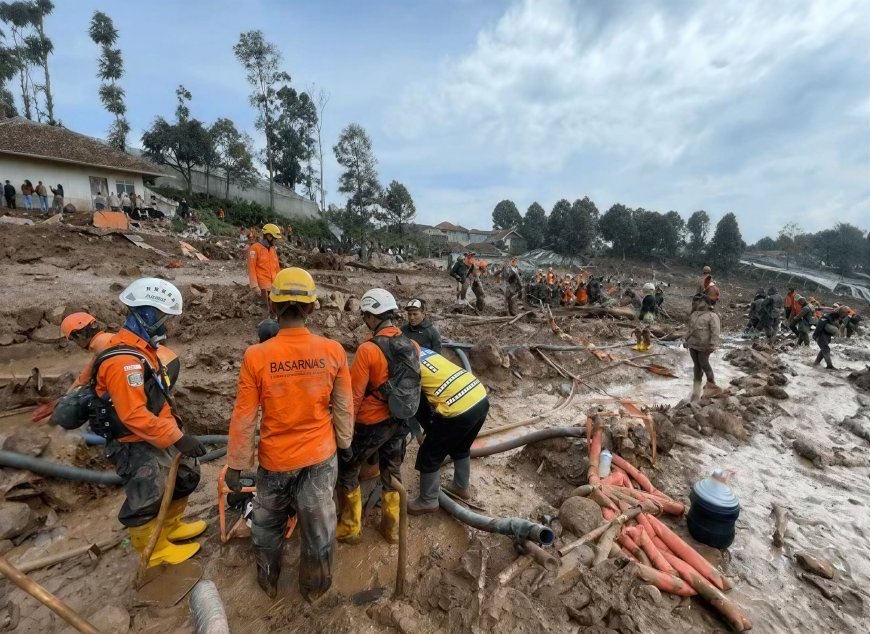
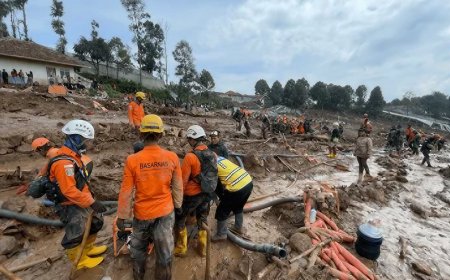
The floods and landslides that hit different parts of the country this July were not isolated events. The damage stretched from hill districts like Khagrachhari, Rangamati, and Bandarban down to Cox's Bazar, Chittagong, Moulvibazar, and Habiganj.
According to the Ministry of Disaster Management and Relief's latest update, the death toll across these seven districts had reached 59 as of July 18, with more than 50 upazilas, 100 unions and several municipalities affected. In Cox's Bazar, the dead included both residents and Rohingya refugees living in the camps there.
Disaster does not check citizenship before it strikes. It strikes wherever people are forced to live on unsafe ground. Natural disaster and relief distribution have become almost inseparable in Bangladesh. A flood, a tidal surge, a cyclone hits somewhere in the country, and our attention narrows to one thing: Relief.
Rice, lentils, saline, bottled water, handed to people standing in floodwater. It's an image we've grown up with. But does disaster management really mean handing out food or cash for a few days after the water rises?
Are we pouring our energy into relief while the actual vulnerabilities that make these events so deadly go untouched? That question deserves a serious answer, not just a sympathetic nod.
To be fair, this is not for lack of policy. Bangladesh's National Plan for Disaster Management has, on paper, moved away from a relief-only model since the 1990s, formally building in prevention, preparedness and risk reduction alongside emergency response.
The gap is not in the writing of the plan. It is in what actually gets funded. A government-commissioned review of disaster-related public spending across six ministries found that only about a quarter of relevant project funds went toward disaster risk reduction and preparedness activities, with the rest concentrated in response and recovery.
That is the real measure of where our priorities sit, whatever the policy documents say. The roots of this vulnerability differ by region but come from the same neglect. In the Chittagong Hill Tracts, roughly ten lakh people live in high-risk zones on the hills of Bandarban, Rangamati and Khagrachhari, many of them families who have lived on or at the base of steep slopes for generations.
Researchers who studied the 2017 Rangamati landslide, which killed more than 120 people, found that deforestation, hill cutting, and unplanned settlement were central causes, and a separate study found that 95% of the houses destroyed in that disaster had been built without following any building code.
In the plains and cities, the story is different, but the outcome is the same. In Chattogram, decades of unplanned urbanization have filled in wetlands and ponds, encroached on canals, and paved over green belts that once absorbed monsoon runoff.
Experts point to a specific case: In 2023, three large ponds and low-lying water bodies in Kulgaon were filled in to build a bus terminal, and when the rains came this year, roughly three lakh residents there were left marooned.
If hill and urban planning had taken these limits seriously, if drainage systems had been modernized and settlement kept off unstable slopes, much of this damage simply would not exist. What we save by not investing in prevention, we lose many times over once the disaster arrives and the cost of relief comes due.
The coast tells a related story, on a slower timescale, and it is worth being precise about what is driving it, because more than one force is at work. Land that once symbolized Bengal's agricultural wealth was turned over to shrimp farming from the 1980s onward, marketed then as "white gold." But shrimp farming did not create the region's salinity crisis on its own.
The Coastal Embankment Project of the 1960s built polders to keep tidal saltwater out and protect farmland; over decades, silt built up inside those polders, riverbeds rose, and saltwater began intruding into low-lying areas regardless of what was farmed there. Reduced freshwater flow from upstream, worsened by barrages on shared rivers, pushed the salt line further north.
Sea-level rise and repeated cyclones and storm surges have compounded all of this. Shrimp farming entered that weakened system and made it worse: Prolonged flooding of farmland with brackish water for shrimp ponds accelerated salinity in soil that was already under stress, and pushed many farming families off land their households had worked for generations.
This shift from agriculture to other work is itself a disaster, just a slow one that doesn't make for dramatic footage. When a cyclone hits, we hand out relief for a few days.
But building durable embankments, storing fresh water, creating salt-tolerant livelihoods- the things that would actually matter- get postponed year after year. People lose their land, move to city slums, and all we offer from a distance is sympathy.
The pattern repeats among marginalized groups. River erosion, disappearing navigability, and general environmental decline have put fishermen and other river-dependent communities in an existential bind.
What they need is long-term resettlement and environmental protection, not seasonal handouts. Our institutions have narrowed their own mandate down to emergency response and stopped there.
There's a bigger threat waiting beyond floods and cyclones: Earthquakes. A four-year survey conducted by RAJUK's Urban Resilience Project between 2018 and 2022 estimated that a 6.9-magnitude earthquake along the Madhupur Fault could cause roughly 850,000 buildings in Dhaka to collapse, with death tolls estimated between two and three lakh depending on the time of day.
The same survey found that of roughly 95,000 buildings constructed in the capital between 2006 and 2016, barely 4,000 had RAJUK's approval. A relief package cannot rebuild a city that was never built to withstand the shaking in the first place.
What saves lives is infrastructure built to hold up from the start, and the training and equipment to respond fast when it doesn't. On this front, we've stayed almost entirely quiet.
None of this is an argument against relief. It's necessary, and there's no substitute for it in the first days after a disaster. The problem is that we've let relief stand in for disaster management itself. Relief is visible.
It moves fast, reaches people directly, and photographs well. Building an embankment, dredging a canal, overhauling a drainage system, funding research on climate adaptation- none of that is quick or photogenic.
It earns no applause. That is precisely why our state and our society keep choosing relief over the harder, slower work of actually fixing things.
We are long past the point where this mindset should have changed. Disaster management was never supposed to mean keeping people dependent on aid.
It's supposed to mean making people secure enough that a disaster doesn't force them to beg for it. That means identifying where the vulnerabilities actually are and going after them directly: Reining in the reckless use of natural resources, building infrastructure meant to last, and training ordinary people at the local level in the science of disaster response.
A well-engineered embankment and a properly enforced building code will save more lives and livelihoods than any number of relief packages ever could. Our investment has to shift toward prevention, preparedness, and fixing the structural weak points, not just toward relief. That's the only way we'll be ready for what comes next.
AL Sharia is a columnist, environmental activist, and student of Disaster Science and Management at Begum Rokeya University, Rangpur.