






























![A Ledger of the Soul: Navigating the Allah-Bhagavant Nexus in a 19th-Century Puruṣākāra Jñāna Caupara [Gyan Chauper]](https://counterpointbd.com/uploads/images/202608/image_430x256_6a93baa3b09a7.jpg)




















How Bangladeshis are Being Trafficked to Fight in Ukraine
Russia’s war has already caused immense suffering. It should not be sustained through the exploitation of vulnerable people.

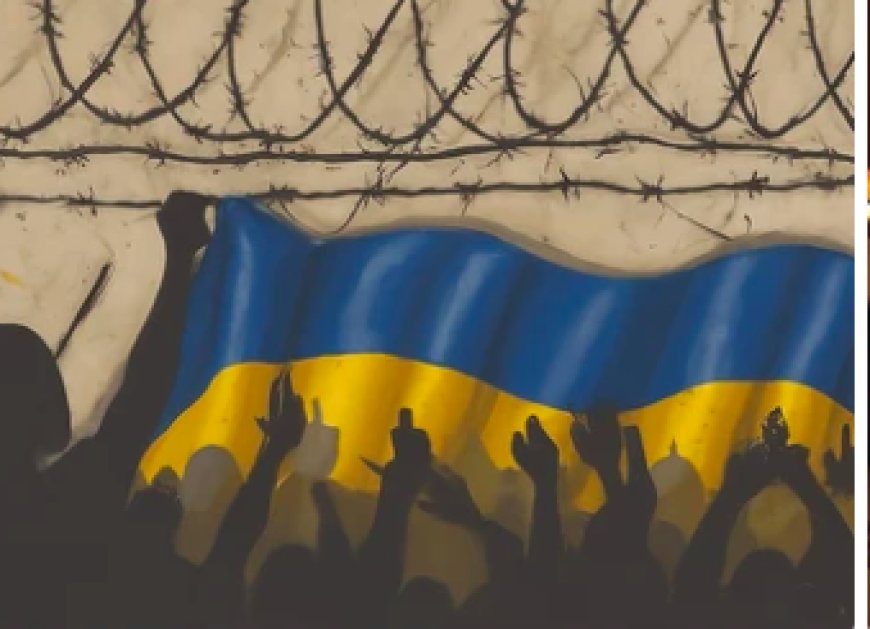
Russia’s illegal war against Ukraine is increasingly drawing in vulnerable men from far beyond Europe’s borders. Among them are Bangladeshi men who were promised jobs abroad but instead found themselves on the frontlines of the Russian war of aggression against Ukraine.
Through a network of brokers, deception, and exploitation, Bangladeshi men have been recruited and transported to Russia, where they were pressured or forced to serve in the Russian armed forces.
What begins as a promise of employment often ends in the trenches of a war they never intended to fight.
The Russian war machine continues to threaten global peace and security. It has devastated Ukrainian cities, displaced millions, and fueled instability far beyond the battlefield.
Increasingly, it is drawing on a shadow pipeline of foreign labor migrants, many recruited under false pretenses, to sustain its war effort.
Our organizations, Truth Hounds and Fortify Rights, have documented this coercive recruitment and trafficking. Recruiters and brokers in Bangladesh advertise jobs in Russia, often claiming the work will involve construction, security, or other civilian employment.
Instead, many men arrive only to find themselves pressured into signing military contracts or placed under the control of the Russian armed forces.
“I was repeatedly assured [by the broker] that this was not military work and had
nothing to do with the war. ... The broker said it was a civilian contract job and told us not to worry,” said Maksudur Rahman, 31, a Bangladeshi survivor of trafficking. “Because of financial pressure and lack of alternatives, I agreed.”
Maksudur Rahman went on to explain how he ended up on the front lines, saying:
“Eventually, we were taken to the airport [in Dhaka], bypassing proper procedures. Our flight route was Dhaka to Dubai and then onward to Russia. … At the [Moscow] airport, [brokers] demanded additional money. Groups of Bangladeshis were taken one by one into airport toilets where cash was collected to avoid cameras. I paid about US$1,000 under pressure.”
After paying the money, the situation became clear to Maksudur Rahman. “We were transported at night to another location and eventually told through a translator that we had been ‘bought’ to fight in the war.”
Cases like Maksudur Rahman’s point to a broader pattern of deception, coercion, and abuse that amounts to human trafficking. Some foreign nationals knowingly signed contracts with the Russian military.
Even in such cases, evidence indicates that many were misled about the nature of the work, the risks involved, or their ability to leave once deployed.
This is not merely a Bangladeshi problem. Russia conducts its predatory recruitment in African and Latin American countries and across Asia. The patterns are the same: deception, pressure, and force.
Bangladeshi and other South Asian recruits have been killed on the battlefield. Many are missing. Ukrainian authorities report the recruitment of more than 100 Bangladeshis into the Russian military, of whom 34 were killed, these numbers indicate only those identified.
The real number is likely higher. The specifics also vary across countries: the count for Nepalis is more than 850 recruited and more than 100 dead and the number for Sri Lankans is more than 750 and at least 275 respectively.
Others remain trapped in military service with little ability to escape. Their families are desperate for information on missing loved ones or to receive back the bodies of those killed on the frontlines.
At least one Bangladeshi national is reportedly being held as a prisoner of war in Ukrainian custody along with men from Sri Lanka, Nepal, India, and Pakistan. Their future fate is vague as Russia does not request foreigners back during prisoner swaps.
The new government of Bangladesh, led by the Bangladesh Nationalist Party under Prime Minister Tarique Rahman, has an opportunity and a responsibility to act. Authorities in Dhaka should prioritize dismantling trafficking networks that recruit vulnerable workers for Russia, investigate and prosecute brokers involved, and provide meaningful assistance to survivors and the families of those killed or missing.
Bangladesh should also use diplomatic channels to press Russian authorities to facilitate the safe return of Bangladeshi nationals deployed on the frontlines.
At the same time, the Bangladeshi government should publicly condemn Russia’s aggression against Ukraine and take concrete steps to prevent its citizens from being drawn into the illegal war.
The new government in Nepal, which emerged from youth-led protests, should also take proactive stance to address this issue, which has led to the death of many Nepali nationals and left families in debt
Political and economic interests by governments in the region should not justify allowing Russia to turn people into cannon fodder.
Ukraine, for its part, should continue cooperating with international anti-trafficking organizations, including the International Organization for Migration, as well as civil society groups and service providers to identify and screen potential survivors of human trafficking and other human rights violations among captured foreign fighters held as prisoners of war.
Foreigners who were coerced into Russia’s illegal war must be treated first and foremost as potential human trafficking survivors.
Russia’s war has already caused immense suffering. It should not be sustained through the exploitation of vulnerable people. Ending this machinery of deception and coercion is not only about preventing trafficking, it is about upholding international law and ensuring that the human cost of Russia’s war is not borne by men who never chose to fight in it.
John Quinley is a director at Fortify Rights and Maria Tomak is an Engaged Researcher with Truth Hounds.