
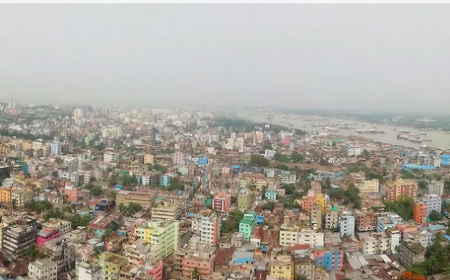






















































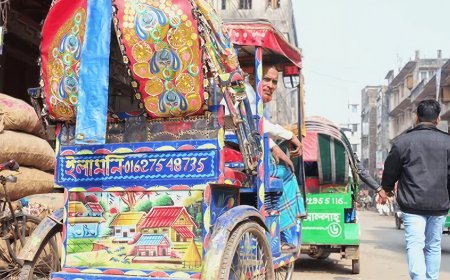
Citizens are told that auto-rickshaws cannot be banned because millions depend on them for a living. That argument is sound for the drivers, who are among the poorest workers in the city. It is not an argument for shielding the people who profit from an unregulated supply chain.
If Amodei, Altman, and Musk actually believe what they're saying about the stakes, the test isn't whether they write an essay or post a tweet. It's whether they support external, binding, independently enforced rules that apply to everyone equally, including the possibility that a genuinely safer path is a slower, smaller AI industry than the one currently raising trillion-dollar valuations.
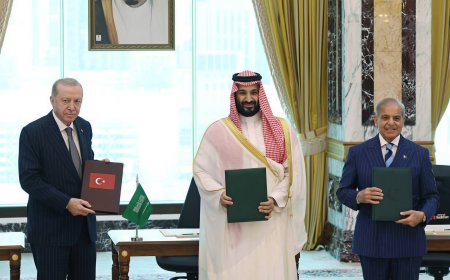
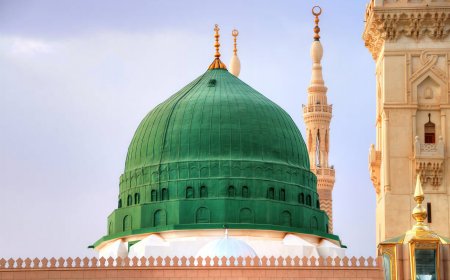
A defence pact that only defends when nobody is actually being attacked is not a defence pact. It is a press release, and Mecca's first stress test made that painfully clear.
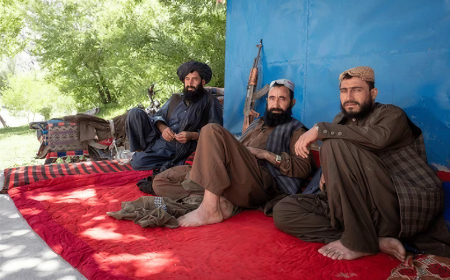
A regime fighting a two-front war against Pakistan and internal insurgents, unable to feed its own base, splitting at the leadership level, and now facing a resistance movement finally capable of operating on its own home turf.
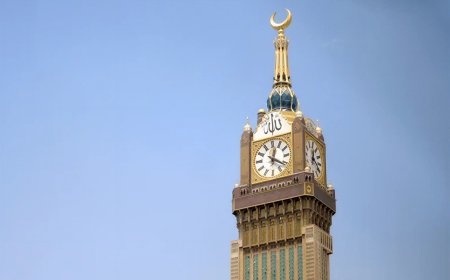
The Mecca Agreement will be remembered less as a wartime alliance against a weakened Iran and more as the founding document of a new, durable axis within the Muslim world, one whose rivalries with Israel, the UAE and India will define regional politics for a generation.
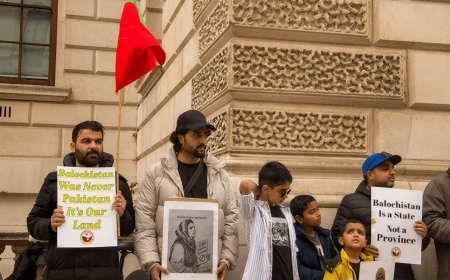
Its economy survives on IMF support with reserves near depletion. Its own defence minister accuses India of funding the insurgency, an allegation India denies.
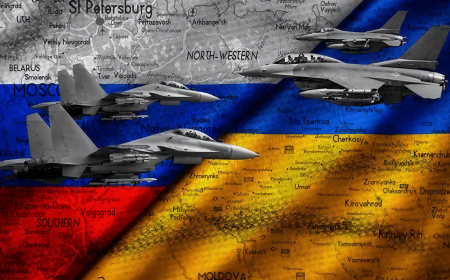
None of this is really new, only newly visible. The Caspian has functioned as a sealed smuggling corridor between Moscow and Tehran since the summer of 2022.
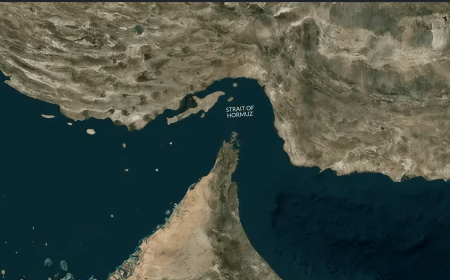
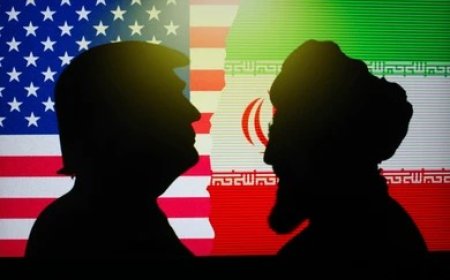
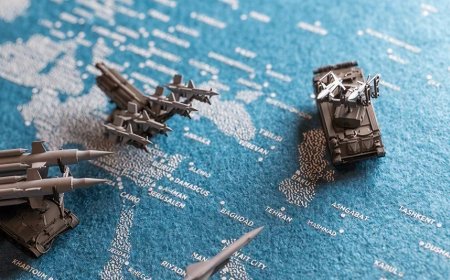
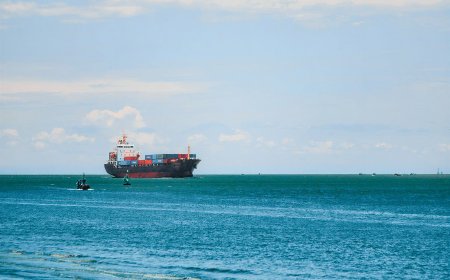
The latest ceasefire between the United States and Iran has failed to restore confidence in the Strait of Hormuz, exposing the world's continued dependence on a chokepoint that remains vulnerable to disruption.
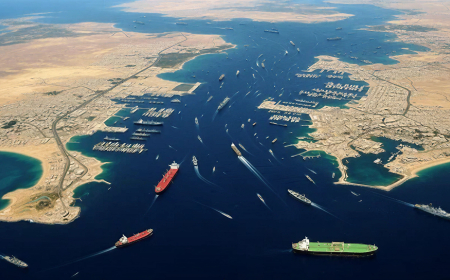
A war fought in part to eliminate Iranian leverage ended with Iran holding more of it, over Hormuz, over Lebanon, and over the sanctions regime, than it had before the first missile was fired. Whether that trade was worth it depends on whether the next 60 days produce a durable peace or simply a longer, costlier version of the same unresolved fight.
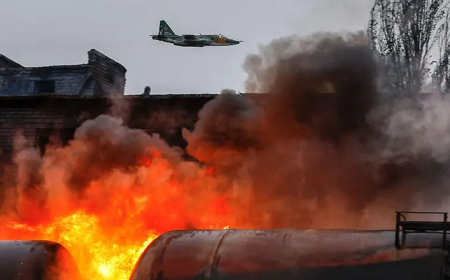
What Ukraine has executed is not merely a military operation. It is a masterclass in the psychological and strategic manipulation of an adversary whose leadership places symbolism above military reality.
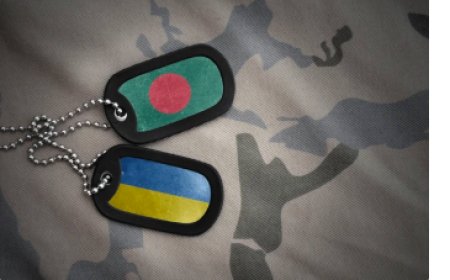
An unknown number of Bangladeshi young men whose families parted with savings of 10 lakh taka or more for the prospect of a better life for them, find themselves on a distant frontline in a war they never chose, in a country whose language they cannot speak, and fighting for a side they were never asked to join.
The tragedy in Myanmar will not stop, the junta rules a hollow state, the rebels hold territory but don’t have a future vision moving forward.

The client eyes you across the desk, not the screen. Efficiency kneels to trust; betray it, and no algorithm absolves. Guard that human bond fiercely: Our future depends on it.

Bangladesh cannot sustain its growth economically if our banking system remains feeble and compromised. The solutions are well known: Independence, accountability, transparency, good compliance, governance, and professionalism. What’s missing is the willpower to enforce them.
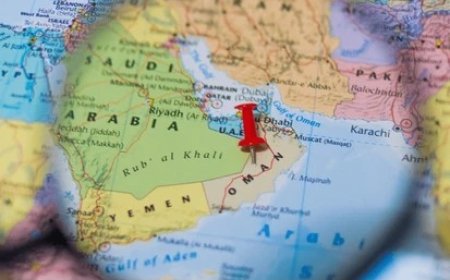
Leaving OPEC was a symbolic declaration to the Gulf that Abu Dhabi can no longer stay a passenger in the oil vehicle supplying the world.