


































































R-E-S-P-E-C-T
When you stand up for your citizens you earn respect. It doesn’t close doors, it opens them. If we don’t have respect for ourselves and our own people, how can we expect the rest of the world to?

The recent execution of a young Bangladeshi couple in Saudi Arabia is a travesty of justice that lays bare the cancer that lies at the heart of that benighted country.
But there is nothing to be gained by bemoaning the ills and injustices of Saudi Arabia.
We need to concern ourselves with the things that we can change and not the things that we cannot.
We cannot do anything about the fact that Saudi Arabia is and will remain a moral and civilizational backwater where justice is neither fair nor transparent nor equal. It is what it is.
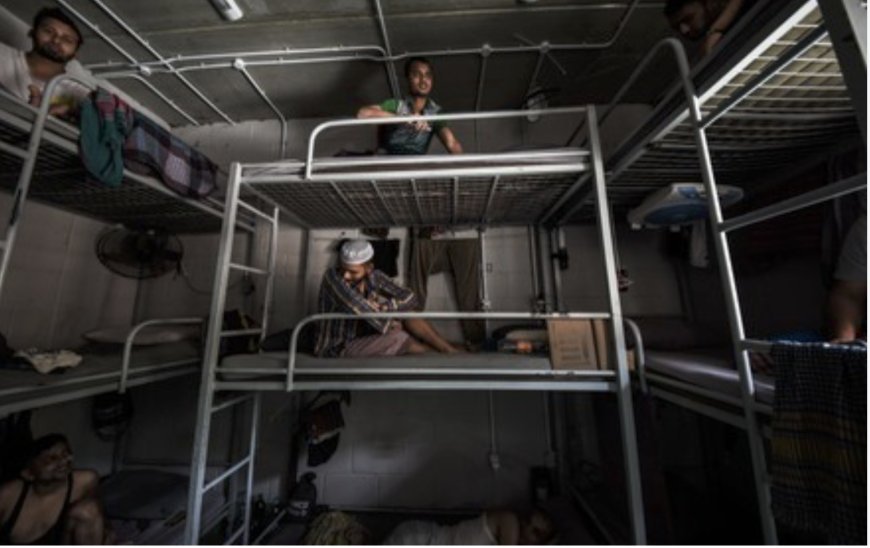
What we can and should do, and what we have shamefully failed to do, is to protect the millions of Bangladeshis who are working there.
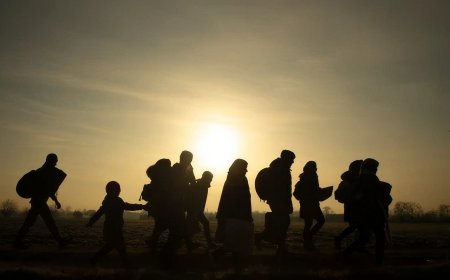
This goes not just for Bangladeshis in Saudi Arabia, but all the Bangladeshi migrant workers around the world who toil in dangerous and difficult conditions.
These men and women are the backbone of the economy. Without them and the billions they remit back to Bangladesh each year, the economy would grind to a halt.
We need to understand as a first order of business just how important these men and women are to our well-being.
Governments routinely pay lip service to those they call our remittance warriors, but what do they actually do for them? Almost nothing.
There is precious little policy in place that would reflect how important these men and women are to the economy.
The Ministry of Overseas Welfare should be recognized for what it is: an absolutely crucial ministry that is in fact more important than Commerce or Industry.
We should be pouring resources into our overseas workforce and doing everything we can to expand it, develop it, and optimize it.
This doesn’t just mean training and upskilling, it also means protecting the workforce so they are not vulnerable to exploitation.
Countries such as the Philippines and Sri Lanka do a much better job of protecting their migrant workers. We can learn from them.
The recent execution of Nazrul Islam and Sweety Akhter provides a case in point, and the more we learn, the more glaring the Bangladesh consulate’s dereliction of duty appears.
It is clear that we have no policy in place to provide legal assistance or even translation services to Bangladeshis in Saudi Arabia accused of committing a crime.
Indeed it has become apparent that not only do we have no protocol in place to protect the rights and interests of Bangladeshis in Saudi Arabia, but the high commission and consulates do not even conceive of this as their concern.
This must change. If the humanitarian argument – that these are Bangladeshi citizens who deserve protection – does not move the government, then perhaps a practical argument will: The better we take care of our workers, the more money they will be able to repatriate home.
This is the lowest of low-hanging fruit. The government can actually do the right thing and reap a reward for doing so. Every penny spent on protecting the rights of our workers will be repaid tenfold in remittances.
There is unfortunately a mindset in Bangladesh that if we make too much noise about worker rights that this will backfire and only lead to the closing of the doors, something we can ill afford.
But this fear is misplaced and fundamentally misunderstands how the world works. When you stand up for your citizens you earn respect. It doesn’t close doors, it opens them.
If national pride and dignity mean anything it means abandoning the craven posture and belief that we are a supplicant nation that must accept what other countries offer without demur.
Whether it is trade deals, or the rights of overseas workers, or private terms of trade with garment buyers, prostrating ourselves before the other side in a race to the bottom only ensures that we will remain there. It is not a sustainable strategy.
The sustainable strategy is to stand up for ourselves and our people and demand basic respect.
If we don’t have respect for ourselves and our own people, how can we expect the rest of the world to?
Let the tragedy of the executions of Nazrul and Sweety be the impetus that transforms our policy towards our overseas workers.
The time is long past overdue that we put their rights and welfare at the heart of our foreign policy.
Zafar Sobhan is the Editor of the weekly Counterpoint.