




























































The Love That Breached the Wall
The feeling had already taken root, silent and complete, somewhere he could not reach to tear out. And already, deep in the grammar of a lifetime, he could feel the old instinct stirring: The wall beginning, stone by patient stone, to rebuild itself.

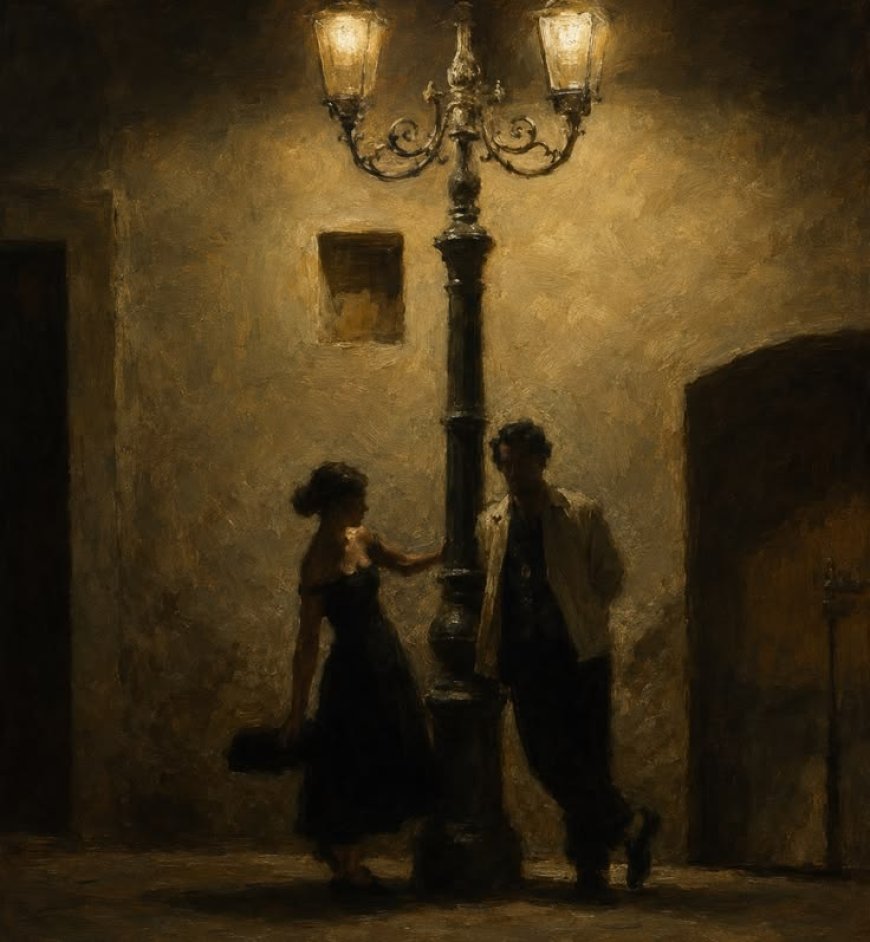
Beyond the open sides of the pavilion, the December dark gathered among the trees. A cool breeze drifted in from the garden, carrying the scent of crushed grass and, beneath it, the faint dampness of water; the lake somewhere past the wall, invisible, revealing itself only by its smell.
The hanging lamps burned low, turning everything they touched to gold: the polished teak of the table, the thin rim of her glass, the stray strands of hair at her temple. Around them, the evening unfolded as though nothing were amiss. Couples leaned toward their candles. A waiter glided across the floor, soundless. Near the pool, a band played soft classics from years past, the music drifting over a crowd that listened the way people listen when they have not come to listen at all.
For him, something had already gone wrong.
He had spent the entire month keeping her at a distance. The postcards lay tucked in his drawer; he had made a point of not reading them again, promising himself he would not accept another. He was deliberately avoiding a door he knew he would eventually open. As a man who spoke the language of leverage, he had filled his hours with contracts and figures: the clean, answerable world of things that could be measured and settled by nightfall. He had built a life on the certainty that everyone wanted something, and that a man who knew what they wanted was never truly exposed.
With her, his usual tactics failed; none of the instruments worked. He had searched for the angle, the way another man checks his pockets at the door, but found nothing. She wanted nothing from him except his presence and his undivided attention. The absence of a demand frightened him more than any request ever could, simply because he did not know how to meet it.
Now she sat beside him, and she was far more dangerous in person than in memory.
He looked down at his phone; scrolled anyway, his thumb moving over nothing, laying small, deliberate tasks between them like bricks. It was an old habit—the phone a door he could step behind, a retreat to the version of himself no one had ever reached. In every room he had ever entered, he was the one who observed and went unobserved. He did not know what to do with the way she looked at him. It was not mere attention; it was closer to being read.
Across the room, the guitar softened, and the singer reached the microphone, his voice carrying low over the gentle acoustic chords—wise men say only fools rush in...
He lowered his eyes. To meet hers would be a surrender, the one language he had never learned to speak. A faint, bitter smile touched his mouth at the absurdity of it.
"Put the phone away," she said. "It’s disrespectful."
The words caught him unguarded. He had a hundred evasions ready—work, fatigue, the hour, the noise. He was an expert at the answer that reveals nothing, the response that closes a subject while seeming to open it. He had spent forty-five years perfecting the art.
"You overwhelm me," he said instead.
The words escaped before his defenses could intercept them. He heard them land in the small space between them and understood, too late, what he had done. He had told the truth. For a man like him, the truth was where the trouble always began.
She turned toward him, unhurried, without the faintest trace of triumph.
"What does that mean?" she asked.
He investigated the amber depth of his glass. For a moment, he reached for language wide enough to hold his meaning, only to find, with a quiet lurch of something close to fear, that he was reaching honestly rather than carefully. He let out a soft laugh, a sound that escaped before he could decide whether to allow it. He had not heard himself laugh like that in years.
"You are the wine," he said.
She blinked. "The wine?"
"The intoxicant."
Over the low hum of the patio, the song reached its refrain, soft and inevitable: I can’t help falling in love with you.
The word slipped out before he could file it somewhere safer. He heard the confession folded inside it and knew he could not take it back.
Outside, the wind moved through the dark canopy of the garden. Inside, the song drew toward its close. She did not ask him to explain, and he did not try. Yet something shifted between them—a quiet, almost serene shift, the kind that comes when two people finally stop pretending they do not understand each other.
He looked at her then. Truly looked, in the way he had spent the entire evening avoiding. The lamplight gathered in her eyes. Behind her, the roof beams climbed into shadow like the ribs of an overturned ship, and for a moment the whole pavilion seemed to drift, carrying the two of them somewhere neither had chosen to go.
She saw the stillness in him, and the fear beneath it: The particular terror of a man watching his carefully constructed life give way at the seams. She felt it the way she felt most things, without effort, as light passes through glass: The guilt he never named, the regret, the loneliness grown so old he no longer recognized it as such. But she did not press. She had learned that the things worth having cannot be seized, only allowed. So she let the silence rest between them, waiting without reaching for anything.
The world hung suspended between the music and the dark.
He took a slow sip of his drink and felt the chill of the garden against the back of his neck. The feeling had already taken root, silent and complete, somewhere he could not reach to tear out. And already, deep in the grammar of a lifetime, he could feel the old instinct stirring: The wall beginning, stone by patient stone, to rebuild itself.
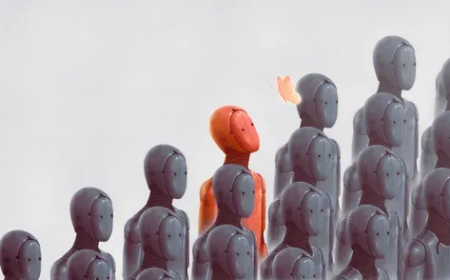
Love did not knock. It breached.
And a fortress, he knew better than anyone, feels the first crack long before it falls.
Namia Akhtar is an anthropologist with a background in international development, politics, and cultural heritage. She holds an MA in South Asian Studies from Heidelberg University, Germany, and is currently at work on her first novel.