





























































An uprising can reclaim space without reclaiming sovereignty. It can capture a symbol without capturing the mechanism. It can change the occupants without changing the architecture of access.
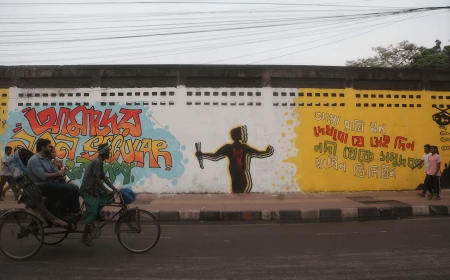
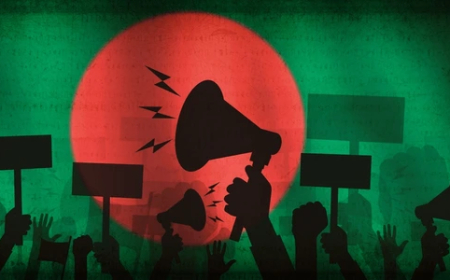
July’s azadi was powerful because it was capacious. It united people who agreed on the regime they opposed but not necessarily on the republic they wished to build.
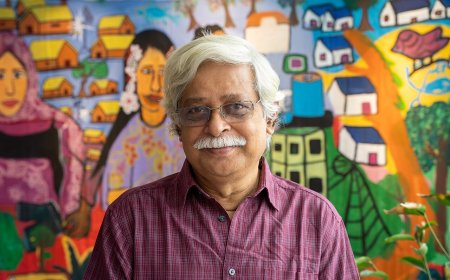
For decades, Bangladesh placed some of its heaviest moral burdens on Muhammed Zafar Iqbal's shoulders. When students needed someone, we called him. When science needed a champion, we called him. When education failed, we expected him to protest.
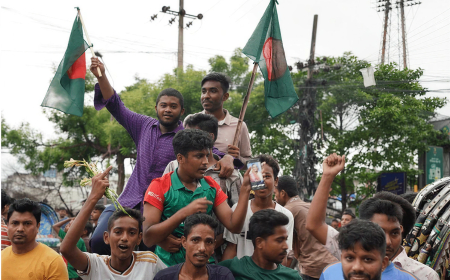
Bangladesh has already demonstrated that revolutions can go viral. The unfinished challenge is ensuring that reform becomes institutional.
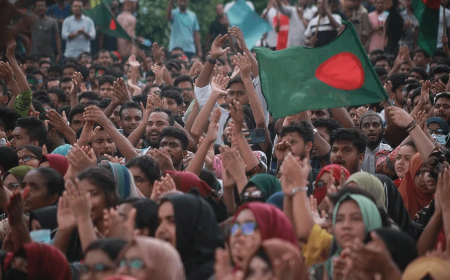
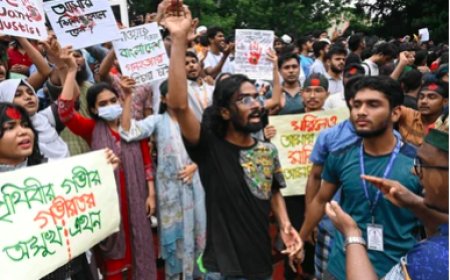
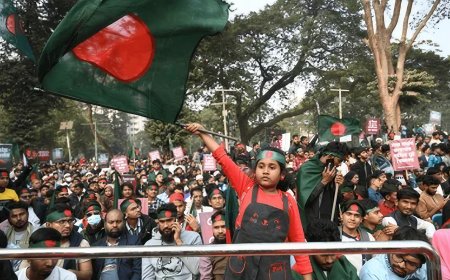
The demand that drove millions into the streets was never abstract. It was the return of democracy and fair elections to Bangladesh, the right of its people to choose their own government, and through that, make the decisions that would govern their destiny.
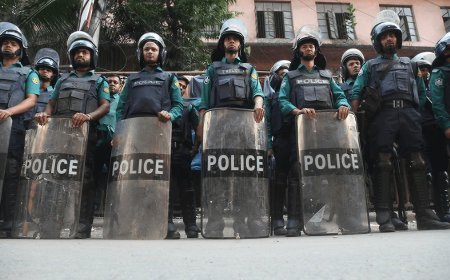
Abu Sayed's killing -- and the statement later made by the police officer convicted of his murder -- did not simply expose failures in the conduct of individual officers. Together, they illuminated deeper structural weaknesses within policing and compelled the nation to confront fundamental questions about accountability, professionalism, and the relationship between the police and the public.
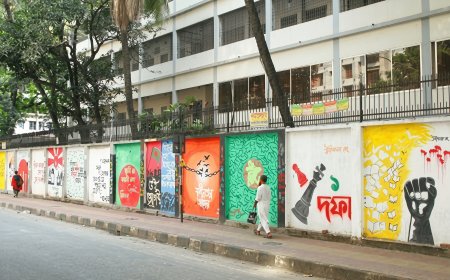
As the second anniversary of the July Uprising approaches, the country has a rare opportunity to move beyond ceremonial commemoration and begin the serious work of preservation.

It should be the topmost priority of any government to ensure that our education system is running independently with the most competent and scholarly educators.
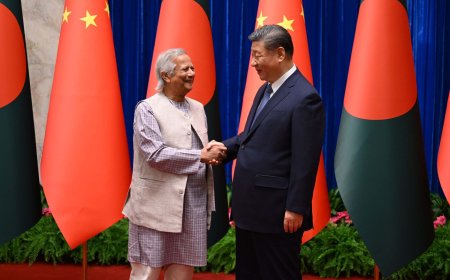
In this environment, terms like “deep state conspiracy,” “foreign funding,” etc provide a ready‑made vocabulary for dismissing the July uprising as manufactured rather than acknowledging the real anger that drove it.

In July 2024, when the entire country erupted in protest, when over 1,400 lives were lost, and when Dhaka became a city under siege, RAB did not revert to familiar patterns. They did not conduct midnight raids. They did not trigger mass disappearances. Instead, they acted as a containment force. That contrast is not just noteworthy, it is historic.
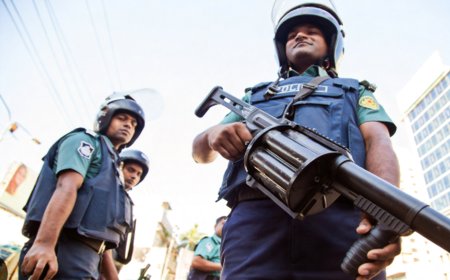
If unlawful killings by police are prosecuted while unlawful killings of police are ignored, the law becomes partisan. If mob killings are investigated while state killings are diluted, the law becomes cynical.

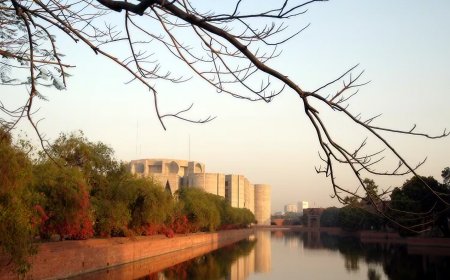
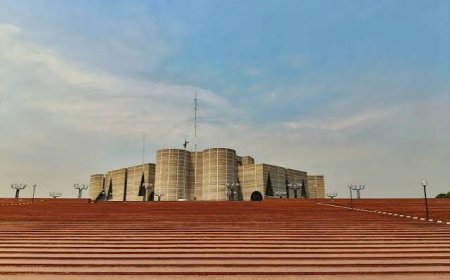
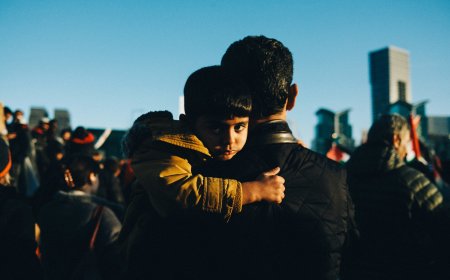
One institution will carry three kinds of weight at once: The grief of a country that has buried its young; the fragile hope that it can still build rules stronger than instinct; and the scrutiny of a world deciding what kind of Bangladesh it must now learn to live with.
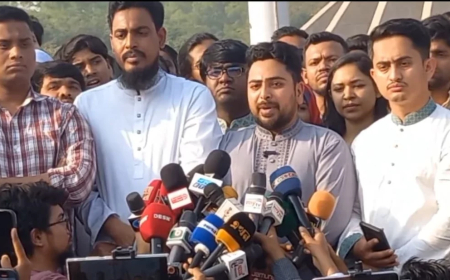
The NCP is still young. Its leaders are young. When it was launched, the response was electric; crowds gathered wherever it went. That energy is now waning. The atrophy has begun -- but it is not irreversible.

The critics are right: the system is unjust. But addressing anger without repairing the economic wiring that produces it has only ever muted the noise. We are not risking a tinderbox. We are responsible for the one we are already living in.