










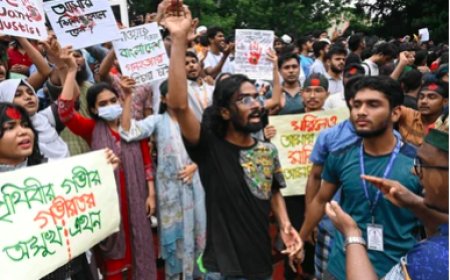












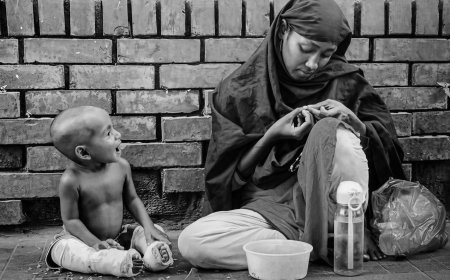































Respecting the rights, dignity, and freedom of women, and ensuring full equality for women in health, education, employment, and opportunity must be established as the common ground on which all political actors in Bangladesh agree.
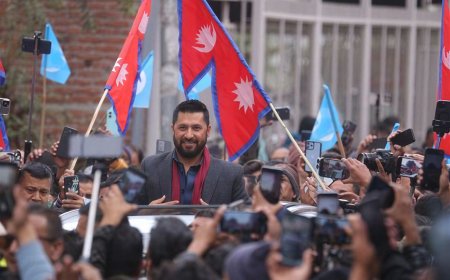
As the new representatives go about setting up a government (which, the way the cumbersome Nepali system is structured, might be two weeks away in mid-March), it is now time for reflections, analyses and speculation.
The country has already demonstrated remarkable resilience and creativity in its economic journey -- from garments to remittances to microfinance. The next chapter will require an equally bold shift in how capital is allocated.
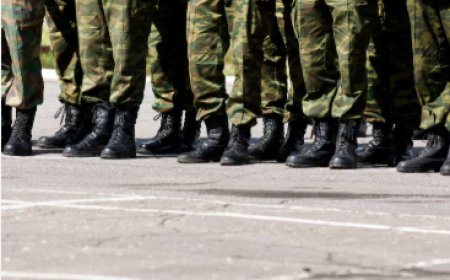
Coups are not accidents. They are outcomes of institutional design shaped by fear, mistrust, and the imperative of survival. Bangladesh’s history, from 1975’s cascading coups to 2007’s indirect intervention, shows how the struggle to control the guardians of the state can redefine politics itself.
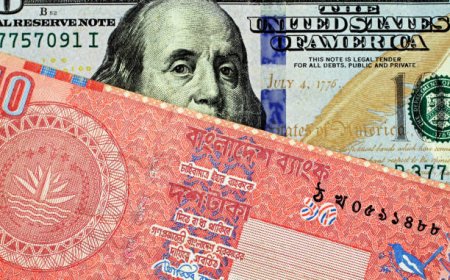
While the duration of the conflict and the peak of oil prices remain unpredictable, there is a silver lining. Analysts note that the BDT is not as significantly overvalued today as it was in 2022. Consequently, any potential "crash" or magnitude of depreciation is expected to be much lower than the volatility witnessed two years ago.
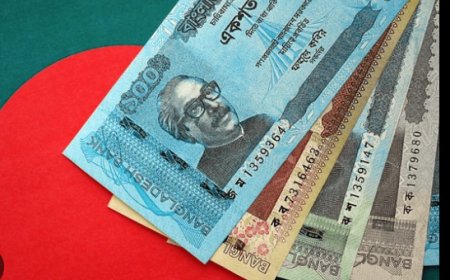
A prolonged conflict in the Middle East would likely trigger a slump in consumer demand in Western markets, leaving the RMG sector vulnerable to the dual blow of dwindling orders and the logistical nightmare of disrupted maritime routes.
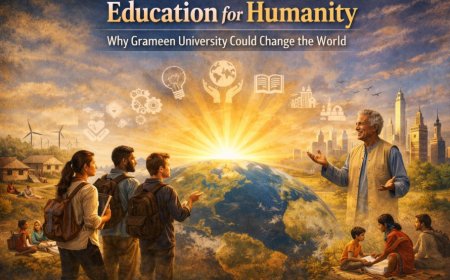
While the university’s roots lie in Bangladesh, its ambitions are unmistakably global. The challenges that social businesses seek to address -- poverty, environmental sustainability, access to healthcare, and economic inclusion -- are universal.
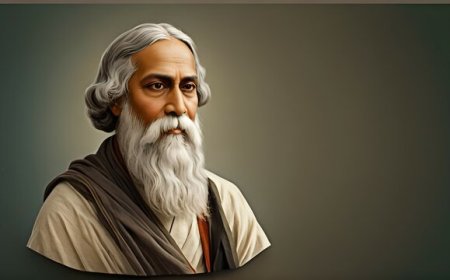
A Newly Discovered Letter Exposes His Private Battle With Power and Trust

Firdaus embodies the Iranian identity, Hafiz brings ecstasy, Sadi offers wisdom, Khayyam presents doubt, and Rumi provides answers. The psychology of the Iranian people is more complex than Westerners might understand.

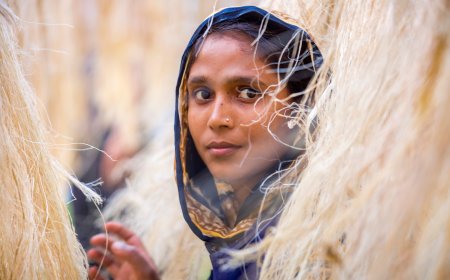
Bangladesh does not lack visible women, women in campaigns, women in commemorative posters, women seated at consultation tables, women repeatedly invoked in speeches. But visibility without authority is not empowerment; it is performance.

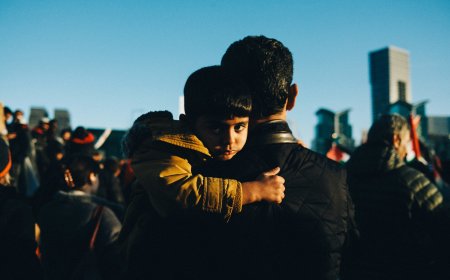
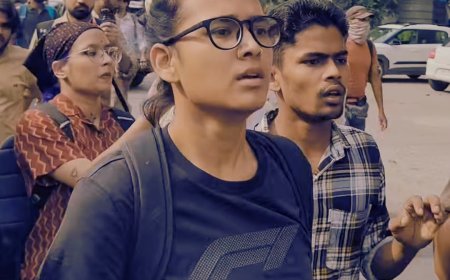
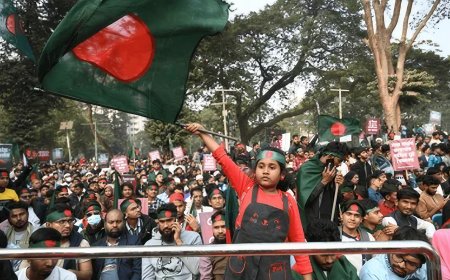
To return to democracy, we endured another undemocratic government after removing one. During this time, there were many human rights violations, many provocations. The people of Bangladesh gritted their teeth and waited for stability.

Unlike many bilateral relationships in South Asia that are defined by rivalry, the India-Bangladesh relationship began with cooperation and solidarity. That legacy continues to shape perceptions and policy even today.
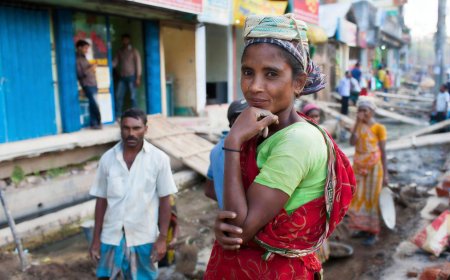
Frustration, when it has nowhere constructive to go, seeks a target. Too often, women become that target -- online through harassment and abuse, offline through control, intimidation, or violence.
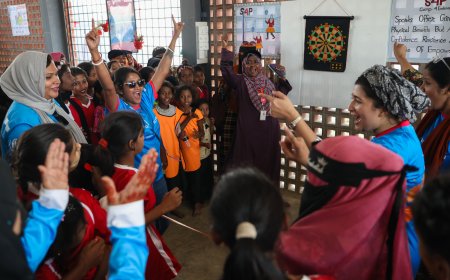
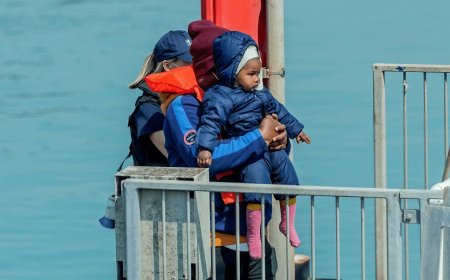
Beyond food, water and shelter, refugees make it clear that safety, dignity, and purpose are also essential to a meaningful life. But cuts under the prioritization exercise jeopardize this holistic commitment to Rohingya well-being.
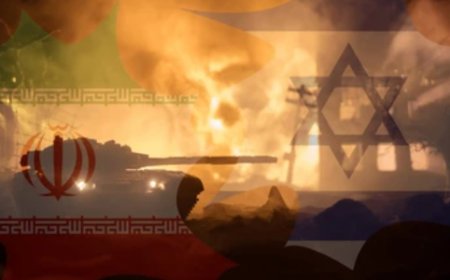
Since 1945, and specifically since colonizing Palestine with Israel and taking the baton of Empire from Britain, the US has been waging imperial domination around the globe, with the safety of claiming the distinction of not being an overt colonial force.

We now know exactly where we are, but we have lost all sense of where we could be.