





















































You have to heal those it hurt, reassure those who hurt on its behalf, and do all of this under the watchful eye of a public that has very little forgiveness left in the tank. You are blamed for problems you inherited and applauded cautiously for small, unsexy fixes that don’t photograph well.

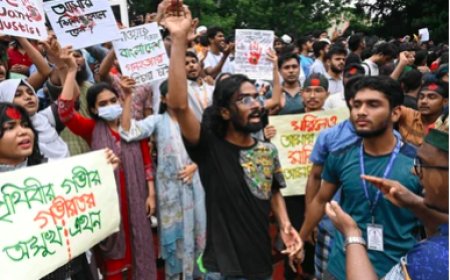
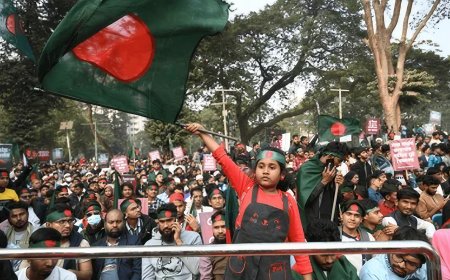
In July 2024, when the entire country erupted in protest, when over 1,400 lives were lost, and when Dhaka became a city under siege, RAB did not revert to familiar patterns. They did not conduct midnight raids. They did not trigger mass disappearances. Instead, they acted as a containment force. That contrast is not just noteworthy, it is historic.
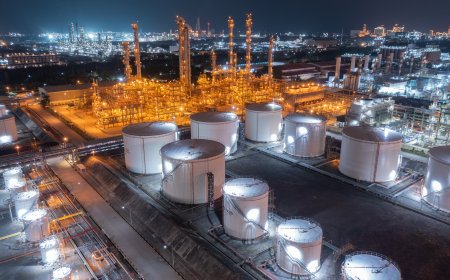
If Bangladesh builds an SPR, it must not repeat either failure mode: Not scarcity through neglect, and not expansion without scrutiny. That, finally, is the real argument for a Bangladeshi reserve. Not a monument. Not another expensive ribbon-cutting exercise. A shield.
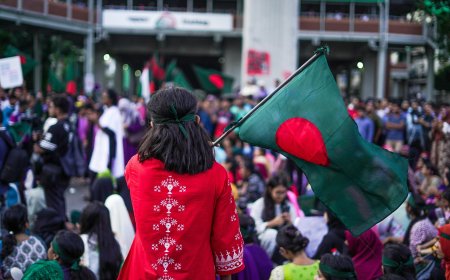
A stronger Bangladesh will not emerge overnight. But with patriotism and civility, it will rise -- steadily, confidently, and together. To the conscious citizens of Bangladesh: This is your moment. Do not wait for perfect leaders or ideal conditions. Be the example. Act locally. Think nationally. Stand firmly for honesty and integrity, nurture skills, and practise good manners persistently.
Albert Camus wrote that we must imagine Sisyphus happy but for those caught in Bangladesh’s cycles of performative governance, happiness is not the point. Each new deadline, each “operation,” each raid is a boulder pushed up the hill. The problem rolls back down, and we begin again.
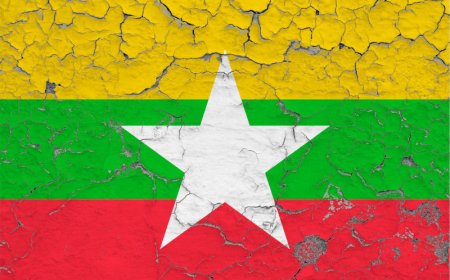
Myanmar stands as a stark reminder that in today’s world, geography is destiny only until strategy intervenes

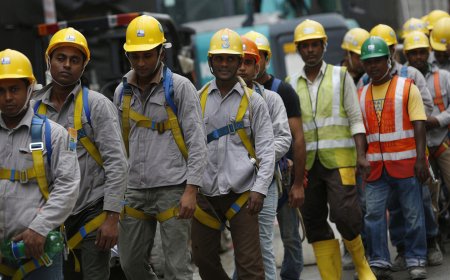
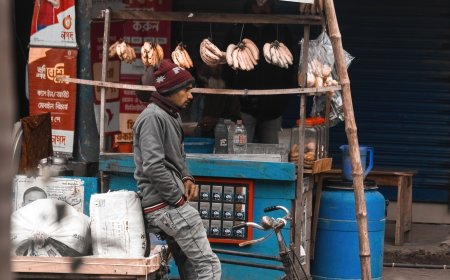
Sometimes the most revealing view of a country is not from above, but from within the flow of its everyday life

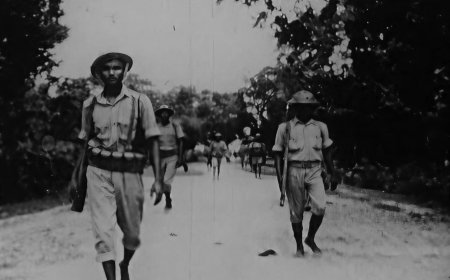
Seeking a clearer understanding of history does not diminish the legacy of the Liberation War, but honors it more completely. A nation willing to examine its past with honesty shows confidence in its own story.

Bangladesh now needs a clear economic roadmap and renewed emphasis on economic and energy diplomacy.

The goal is to have a unified and cohesive story, an antithesis to the common phenomenon of students accumulating certificates like trophies, so that when they finally face their goal, the student does not essentially become a detriment to the system.

Even if we develop our state institutions, there is no guarantee that a ‘Legal Autocrat’ or ‘Constitutional Autocrat’ will not appear in future. The stronger the State, the stronger a Constitutional Autocrat is and the more it may exercise power to prey the public. State becomes a Constitutional handle to a Constitutional Dictator or Fascist.
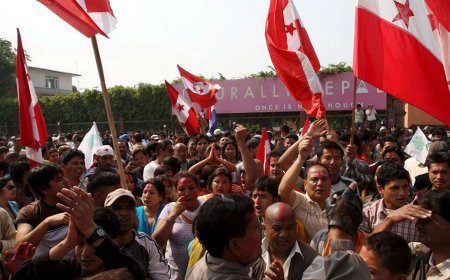
Bangladesh’s political terrain is considerably more rigid. Dynastic narratives continue to exert powerful influence over voter perceptions. The Awami League remains closely associated with the legacy of Sheikh Mujib, while the BNP continues to revolve around the Zia family. In such an environment, new political movements must not only compete with established organizations but also confront deeply embedded historical loyalties.

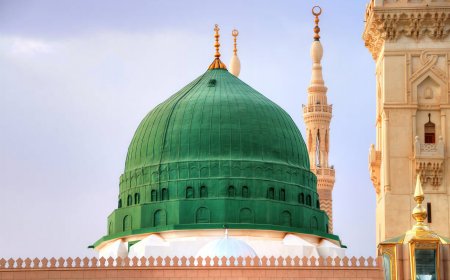
A class of divinely chosen people has the power, endowed by God, to read the esoteric meaning of the Quran and the capacity to guide their own path and that of their followers to connect to the ultimate reality through a mystic journey, which is the foundation of the doctrine of Sufism.
Justice must not only be done but must be seen to be done; impartially, consistently, and without fear or favor. For ordinary citizens to trust the system, they must believe that the law protects them equally, regardless of wealth, influence, or affiliation.

What appears as playful nonsense often functions as mnemonic residue, compressed narratives of invasion, hunger, gendered sorrow, ecological uncertainty, and communal endurance.