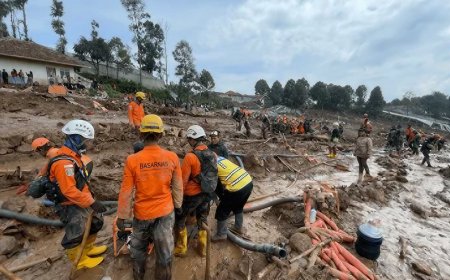



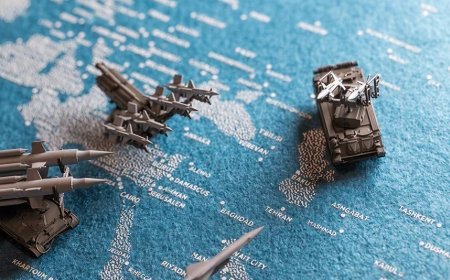
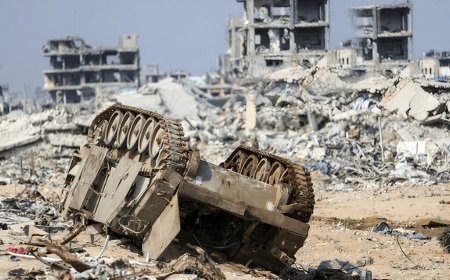



























































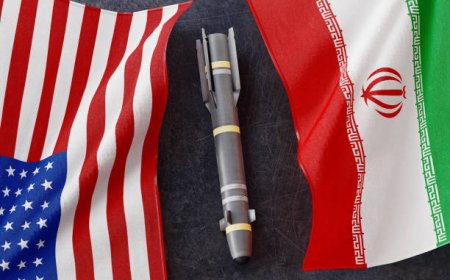
Instead of a single battlefield, the United States could find itself managing simultaneous crises across several countries, dramatically increasing the complexity and cost of military operations. Recent history offers sobering lessons about the limits of military power in such environments.

Bangladesh deserves better than slogan-driven geopolitics. It deserves journalism that can critique American power without romanticizing Iranian power, question Israeli policy without indulging conspiracy, and evaluate Russia, China, or Pakistan without reflexive alignment.

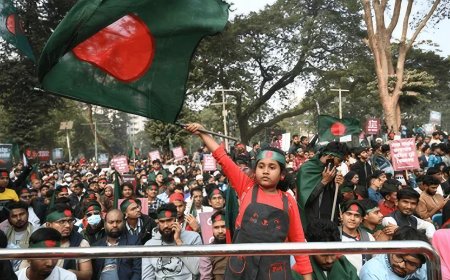
This isn’t just a normal switch in power. It’s a clear rejection of two parties that spent decades swapping control, making deals, and getting caught up in scandals while the country struggled.

In the end, that is what happened to NCP. It let itself be persuaded that the bravest thing a youth party can do in its founding election is to make itself small.

Irrespective of whether LDC graduation is delayed or not, we must face the music sooner or later. It is time to bite the bullet and focus on productivity. Understanding how firms increase productivity must be at the top of our agenda.
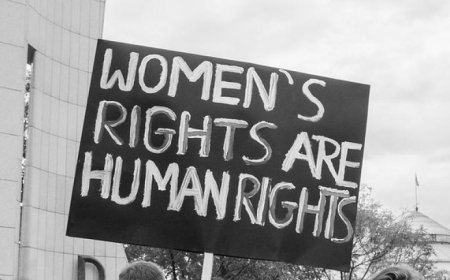
As the BNP is now the ruling party in Bangladesh, there is a growing expectation that it will implement the commitments it made in its platform. While women represent 50.83% of Bangladesh's population, their rights continue to be threatened by violence, limited political participation, and social restrictions.
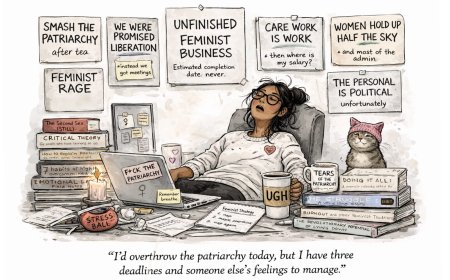
Though the International Brotherhood of Mediocre Men appears to be doing a competent job of setting the world on literal fire, feminists remain the preferred explanation for why everything is burning.

We need more than purple sarees; we need greater representation of women in Parliament to steer the budget toward safety and a localized commitment to the UN Security Council’s Women, Peace and Security agenda.

Feminism has become a new F-word. But let's at least debate the issues that women are really talking about and demanding rather than a patriarchal projection of what men think women want and demanding.
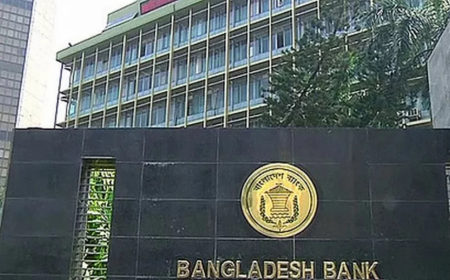
There is no better way for the ruling party to signal that it understands this new reality and that recognizes that it is truly a new day in Bangladesh, and that they too have changed their spots accordingly, than for them to quietly walk back the appointment.

We have a choice: To be passive consumers of the spectacle, or active collaborators in writing a different ending -- one based not on fear and division, but on the unbreakable, transnational solidarity of those who believe, against all odds.
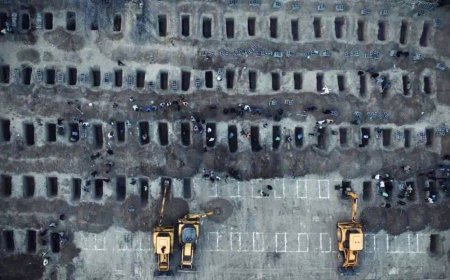
It is often said that there is no personal loss to the architects of war. That statement may be rhetorically exaggerated, yet it captures an essential imbalance. Decision-makers operate at a distance from the battlefield. Their families are rarely in the line of fire.
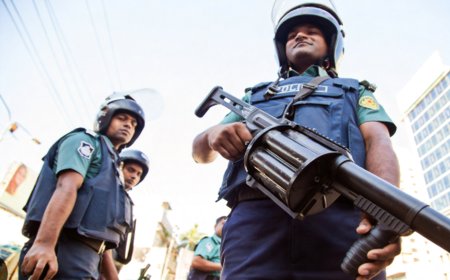
If unlawful killings by police are prosecuted while unlawful killings of police are ignored, the law becomes partisan. If mob killings are investigated while state killings are diluted, the law becomes cynical.
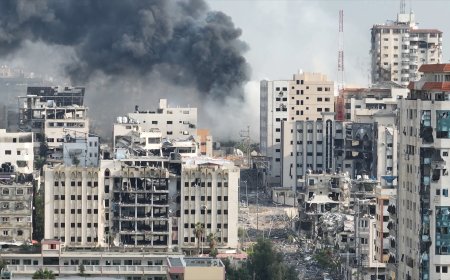
Israel’s budget deficit has tripled. Government spending has risen by 40%, while foreign investment has dropped by 60%. The economy is shrinking, and national income is falling. To cover its costs, the country is on its way to falling into a debt trap.

Import cost is ultimately a function of trust. When global banks and suppliers trust that payments will be made on time and that policies will remain predictable, they offer better terms. Conversely, when uncertainty prevails, they demand confirmation, higher spreads, and tighter conditions.

The constraint has never been a lack of opportunity. It has been risk, real and perceived. That is where development institutions can play a catalyzing role: Financing infrastructure, supporting regulatory reform and reducing risk.